Industrial Engineering | Ceramic Bearing Technology
How to Implement Ceramic Bearings in Liquid Filling Machines
In liquid filling equipment, bearing performance directly affects rotating stability, filling consistency, maintenance frequency, and production reliability. Therefore, ceramic bearings may offer advantages when a machine operates around moisture, cleaning chemicals, corrosive liquids, or electrically sensitive components.
However, selecting the correct bearing requires more than comparing material hardness. Instead, engineers should assess the liquid’s chemical composition, operating temperature, shaft speed, mechanical loads, lubrication requirements, sealing arrangement, and hygiene standards before implementing a ceramic bearing solution.
Key Takeaways
- First, understand how the filling machine’s drive, pump, valve, and transmission systems use bearings.
- Next, distinguish silicon nitride, zirconia, and alumina according to their mechanical and chemical properties.
- Meanwhile, verify whether the bearing contacts the product, cleaning agents, process vapors, or only the machine’s external environment.
- Additionally, evaluate electrical insulation, lubricant compatibility, and the cleanliness requirements of the complete assembly.
- Ultimately, validate the selected bearing under representative operating conditions before introducing it into production.
1. What Is a Liquid Filling Machine?
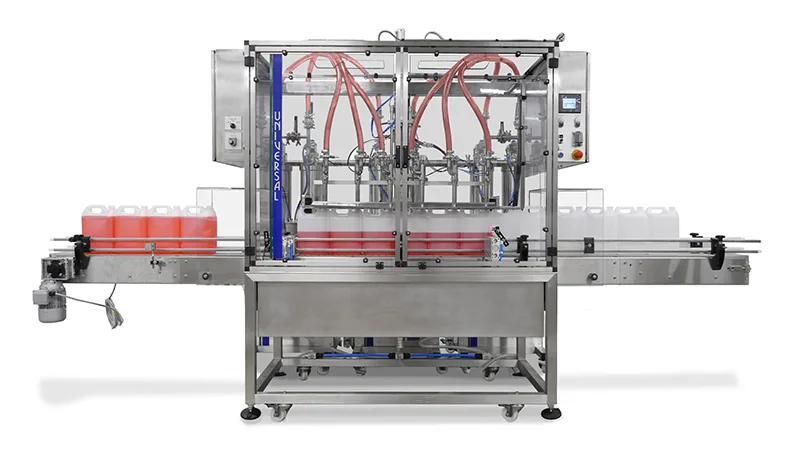
A liquid filling machine is industrial equipment that dispenses a controlled quantity of liquid into bottles, containers, pouches, or other packages. For example, manufacturers use these machines to fill beverages, edible oils, detergents, chemical solutions, pharmaceutical liquids, and personal care products.
Depending on the production requirements, filling systems may operate automatically or semi-automatically. While automatic equipment coordinates feeding, filling, and container handling at higher production rates, semi-automatic systems offer flexibility for smaller batches and specialized production tasks.
During operation, pumps, metering mechanisms, valves, conveyors, rotary tables, and drive assemblies help control product movement and container positioning. Consequently, these components may rely on bearings to maintain alignment, support rotating shafts, and reduce unwanted mechanical resistance.
Because liquid filling environments often involve splashes, repeated cleaning, humidity, or chemical exposure, bearing selection should account for both mechanical performance and environmental compatibility. Furthermore, food and pharmaceutical applications require careful attention to lubricant containment, cleanability, and applicable hygiene requirements.
Automatic Filling Systems
Generally, these machines coordinate multiple operations and may run continuously for extended production periods. Therefore, stable bearings and predictable maintenance schedules can help support production reliability.
Semi-Automatic Filling Systems
In contrast, these machines often serve smaller production runs or specialized filling tasks. Nevertheless, their bearings still require suitable load capacity, corrosion resistance, and maintenance practices.
2. What Is a Ceramic Bearing?
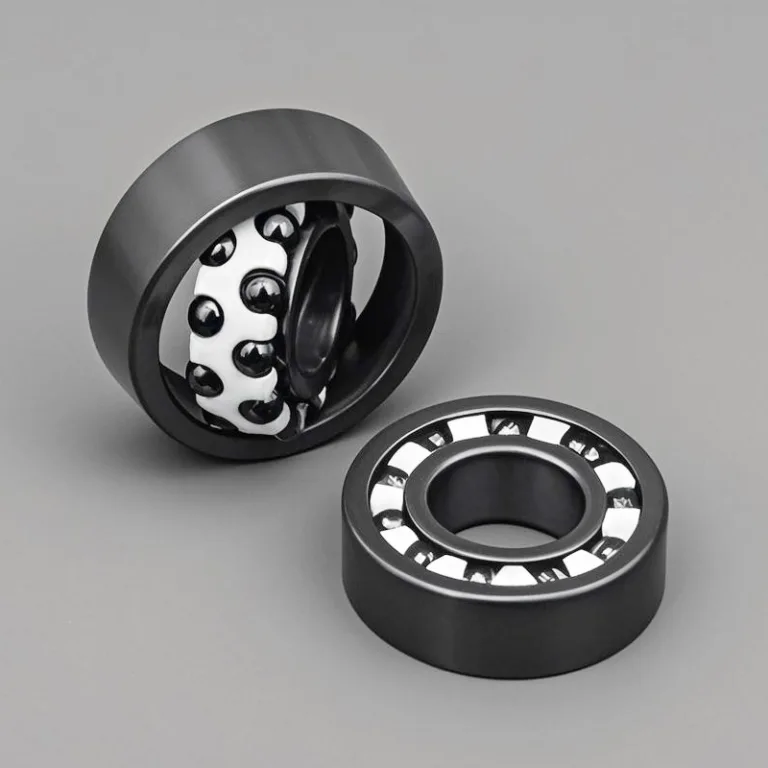
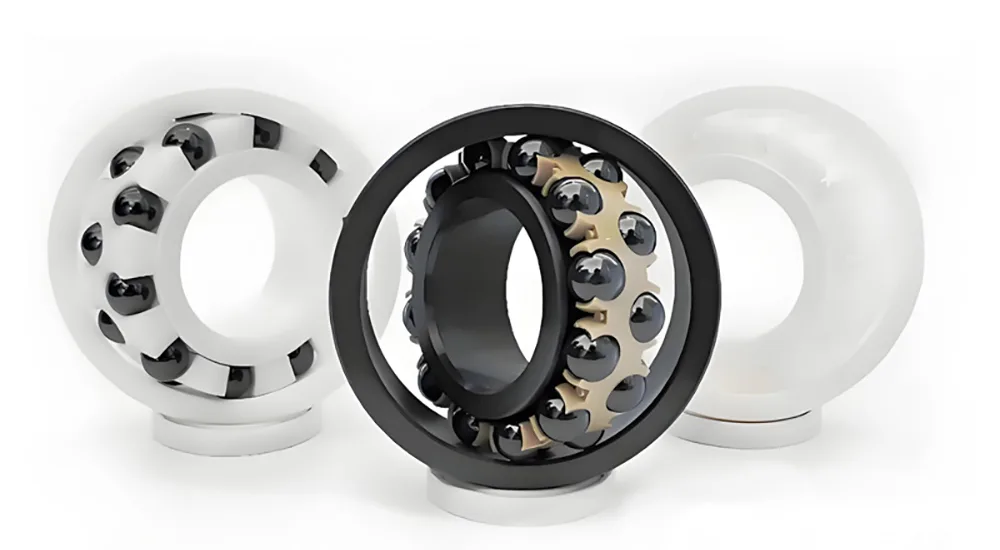
A ceramic bearing is a bearing that incorporates technical ceramic material in its rolling elements, raceways, or both. Compared with conventional metal components, selected engineering ceramics offer high hardness, low density in some grades, electrical insulation, and resistance to many corrosive environments.
However, ceramic bearings do not all share the same construction. A full ceramic bearing generally uses ceramic inner and outer rings together with ceramic rolling elements, whereas a hybrid ceramic bearing typically combines steel rings with ceramic balls.
For liquid filling machines, this distinction matters because the bearing rings, cage, seals, lubricant, and housing may encounter different conditions. For example, a hybrid bearing with steel rings may still require corrosion protection even when its silicon nitride balls resist the surrounding environment.
In addition, ceramic materials do not automatically make a bearing maintenance-free or suitable for every liquid. Therefore, engineers should review the complete assembly and confirm chemical compatibility before installation.

Full Ceramic vs. Hybrid Ceramic Bearings
| Feature | Full Ceramic Bearing | Hybrid Ceramic Bearing |
|---|---|---|
| Rings | Ceramic | Typically bearing steel |
| Rolling elements | Ceramic | Typically silicon nitride |
| Electrical behavior | Ceramic rings and rolling elements can provide insulation | Steel rings remain electrically conductive |
| Corrosion considerations | Ceramic grades and non-ceramic components still require compatibility checks | Steel rings, cage, seals, and lubricant require evaluation |
3. Common Ceramic Bearing Materials
Although ceramic bearing designs can use several technical ceramics, silicon nitride, zirconia, and alumina are three materials worth understanding. Each material offers a different balance of density, hardness, fracture resistance, thermal behavior, and chemical compatibility.
3.1 Silicon Nitride (Si₃N₄)
Silicon nitride is widely used for high-performance ceramic rolling elements, particularly in hybrid bearings. Because its density is approximately 3.2-3.3 g/cm³, silicon nitride balls weigh substantially less than steel balls of the same size.
Moreover, silicon nitride generally provides high hardness, high stiffness, low thermal expansion, and good wear resistance under suitable operating conditions. Consequently, engineers often consider it for precision rotating systems where reduced rolling-element mass offers an advantage.
Nevertheless, silicon nitride is a brittle ceramic, so excessive impact, misalignment, or improper installation can cause damage. Therefore, its suitability depends on bearing design and operating conditions rather than hardness alone.
3.2 Zirconia (ZrO₂)
Zirconia offers a different combination of properties because selected stabilized grades provide relatively high fracture toughness compared with many conventional technical ceramics. Depending on its formulation, zirconia generally has a density of approximately 5.6-6.1 g/cm³.
Additionally, zirconia provides electrical insulation and can resist many corrosive environments. For this reason, engineers may consider suitable zirconia components for specialized fluid-handling systems and selected chemical processing applications.
However, chemical compatibility and long-term performance depend on the specific grade, stabilizer, temperature, and liquid composition. Therefore, engineers should verify the manufacturer’s material data before approving zirconia for contact with process chemicals.
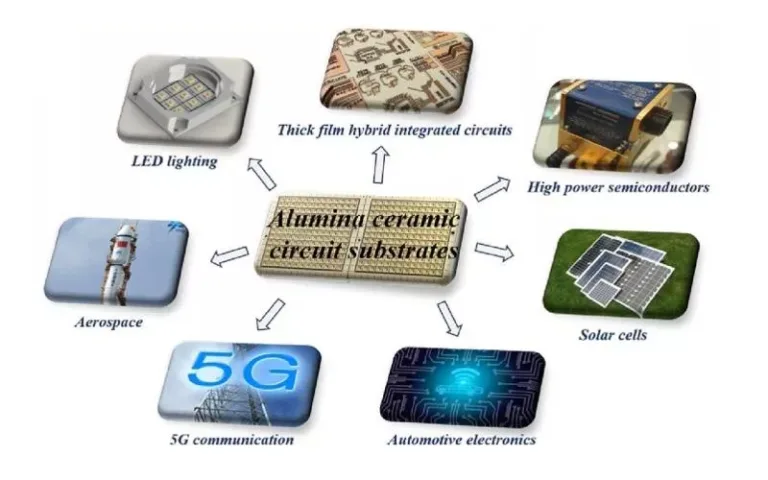
3.3 Alumina (Al₂O₃)
Alumina is a widely used technical ceramic that offers high hardness, electrical insulation, and useful resistance to many chemicals. Consequently, manufacturers use alumina in insulating components, wear-resistant parts, and selected specialized bearing applications.
Even so, alumina has limited ductility and can fracture under impact. Therefore, engineers should assess load, shock, and contact conditions carefully before selecting alumina for rolling elements in a liquid filling machine.
4. Ceramic Bearing Properties in Liquid Filling Applications
The following table compares key properties that influence ceramic bearing selection in liquid filling equipment. However, these descriptions represent general material behavior rather than guaranteed performance for every bearing assembly.
| Property | Engineering Significance | Potential Benefit in Filling Equipment | Important Limitation |
|---|---|---|---|
| Corrosion resistance | Selected ceramic grades resist many corrosive media. | May reduce material degradation in compatible wet or chemical environments. | The liquid, concentration, temperature, cage, seals, and lubricant all matter. |
| Electrical insulation | Many technical ceramics are electrical insulators. | May help isolate electrical paths in suitable equipment designs. | Hybrid bearings contain conductive steel rings; insulation must be evaluated at assembly level. |
| Low density | Silicon nitride is considerably lighter than steel. | May reduce rolling-element inertia in suitable high-speed mechanisms. | Lower mass alone does not determine the bearing’s speed rating. |
| Hardness and wear resistance | Technical ceramics offer high hardness in suitable grades. | May help resist wear when contact geometry and lubrication are appropriate. | Abrasive contamination and poor lubrication can still damage the bearing. |
| Thermal stability | Many ceramics have relatively low thermal expansion. | May support dimensional stability when temperature changes. | Clearance, fits, lubricant, cage, and seals determine the usable temperature range. |
| Magnetic behavior | Common ceramic bearing materials are generally nonmagnetic. | May suit selected magnetic-sensitive instruments or mechanisms. | Metallic cages, seals, or surrounding parts may still affect the overall assembly. |
| Low-lubrication operation | Some specialized designs support limited-lubrication conditions. | May help in specific environments where conventional lubricants create challenges. | Ceramic material does not automatically provide self-lubrication or dry-running capability. |
| Fracture behavior | Ceramics have limited ductility compared with metals. | Careful design can provide reliable performance in suitable applications. | Impact, misalignment, and improper mounting can cause chipping or fracture. |
Technical note: Actual bearing performance depends on material grade, bearing geometry, manufacturing quality, shaft and housing fits, load, speed, lubrication, and environmental exposure. Therefore, use supplier data and application testing for final selection.
5. Where Ceramic Bearings Are Used in Liquid Filling Machines
In a liquid filling machine, bearing locations may experience very different operating conditions. For example, a drive shaft bearing may prioritize speed and alignment, while a bearing near a washdown zone may require greater resistance to moisture and cleaning chemicals.
Therefore, engineers should identify the exact bearing location before choosing a ceramic material. Additionally, they should distinguish components that contact the product directly from components that merely operate near the filling area.
Pump and Metering Assemblies
First, pump shafts and metering mechanisms may require stable rotation and resistance to the surrounding process environment. Consequently, engineers can evaluate ceramic components when conventional materials experience a verified corrosion or wear problem.
Valve and Actuation Systems
Meanwhile, selected valve mechanisms and actuators may use bearings or ceramic components to support motion. However, engineers must confirm the component’s actual function, contact conditions, and compatibility with the handled liquid.
Wet and Washdown Zones
Additionally, filling lines that undergo frequent cleaning may benefit from carefully selected corrosion-resistant components. Nevertheless, a ceramic rolling element does not eliminate corrosion risks for steel rings, housings, fasteners, or other exposed parts.
Electrically Sensitive Equipment
In addition, full ceramic bearing constructions may help provide electrical isolation in selected mechanisms. However, engineers should assess the complete electrical path because hybrid bearings retain conductive steel rings.
Chemical Filling Systems
For chemical filling applications, compatible ceramic grades may resist specific acids, alkalis, salts, or process liquids. Even so, chemical resistance varies with concentration, temperature, exposure time, and material formulation.
Food and Pharmaceutical Lines
Finally, food and pharmaceutical systems require particular attention to hygiene, lubricant containment, cleanability, and regulatory requirements. Therefore, verify the suitability of the complete bearing assembly rather than assuming that ceramic material alone makes equipment sanitary.
6. Advantages of Ceramic Bearings in Liquid Filling Machines
6.1 Resistance to Selected Corrosive Environments
Ceramic materials can resist many chemicals that attack particular metals, making suitable ceramic components attractive for selected liquid handling systems. For example, a compatible ceramic grade may help reduce material degradation when equipment encounters a corrosive process liquid or cleaning agent.
Nevertheless, no ceramic material resists every chemical under every condition. Therefore, engineers should confirm compatibility using the liquid’s identity, concentration, temperature, and exposure duration.
6.2 Electrical Insulation
Many technical ceramics provide electrical insulation, which can help interrupt an electrical path through appropriately designed components. Consequently, a full ceramic bearing may be worth evaluating when electrical isolation forms part of the machine’s requirements.
However, a hybrid bearing still contains metallic rings, so it does not provide complete electrical isolation across the entire bearing assembly. Instead, verify the required insulation resistance and the machine’s grounding design.
6.3 Dimensional Stability During Temperature Changes
Because many technical ceramics have relatively low thermal expansion, they can maintain dimensional stability under suitable temperature changes. As a result, a carefully engineered ceramic bearing may support consistent operating clearances in selected applications.
Even so, thermal expansion differences between the shaft, housing, rings, and ceramic rolling elements can change bearing clearance. Therefore, thermal analysis and correct mounting tolerances remain essential.
6.4 Lower Rolling-Element Mass
Silicon nitride rolling elements have a lower density than steel, which can reduce their centrifugal loading in suitable high-speed bearings. Consequently, hybrid ceramic bearings may offer an advantage in selected rotating mechanisms.
However, lower rolling-element mass does not automatically improve filling accuracy or extend service life. Instead, engineers must evaluate bearing geometry, lubrication, shaft alignment, vibration, and the machine’s control system.
6.5 Wear Resistance Under Suitable Conditions
High ceramic hardness can help resist wear when contact stresses, surface finish, lubrication, and contamination remain within the design limits. Accordingly, ceramic bearings may help address certain wear-related problems in demanding machinery.
Nevertheless, abrasive particles, poor alignment, insufficient lubrication, and impact loading can still damage a ceramic bearing. Therefore, a complete root-cause analysis should precede any material change.
Important Limitation: Hygiene and Lubrication
Although ceramic materials can improve selected performance characteristics, they do not automatically make a bearing food-grade, pharmaceutical-grade, self-lubricating, or suitable for direct product contact. Therefore, verify the bearing’s lubricant, cage, seals, cleaning compatibility, and relevant compliance documentation before using it in regulated production environments.
7. Bearing Selection, Installation, and Maintenance
Successful implementation begins with a clear description of the operating environment and the problem the new bearing should solve. For example, the goal may involve reducing corrosion, addressing electrical damage, improving high-speed stability, or extending maintenance intervals.
Step 1: Identify the Bearing’s Exact Location
First, determine whether the bearing supports a pump shaft, valve actuator, conveyor roller, rotary filling head, or another component. Next, establish whether it contacts the product directly, encounters cleaning fluids, or remains isolated behind a seal.
Step 2: Document the Operating Conditions
Then, record the normal and peak rotational speeds, radial and axial loads, operating temperature, duty cycle, vibration, and potential shock loads. Additionally, identify the liquid’s chemical composition, concentration, temperature, and exposure duration.
Step 3: Select the Material and Construction
After collecting the operating data, compare silicon nitride, zirconia, and alumina against the actual engineering requirements. Meanwhile, determine whether a full ceramic or hybrid construction offers the appropriate balance of corrosion resistance, electrical behavior, load capacity, and cost.
Step 4: Verify Lubrication and Sealing
Subsequently, review the lubricant type, viscosity, supply method, temperature range, and compatibility with the handled liquid. Furthermore, inspect the seals and surrounding components to determine whether splashes, cleaning chemicals, or process vapors can reach the bearing.
Step 5: Control Installation and Fit
During installation, follow the bearing manufacturer’s mounting instructions and use appropriate tools to avoid damaging the ceramic components. Additionally, check shaft and housing tolerances, alignment, clearance or preload, and thermal expansion before starting the machine.
Step 6: Validate Performance in Production
Finally, conduct a controlled trial under representative production conditions and monitor vibration, temperature, noise, leakage, and filling consistency. Subsequently, inspect the bearing and compare the results against predefined acceptance criteria before approving the change for routine use.
Technical Data to Prepare Before Requesting a Bearing
- Bearing type, designation, dimensions, and installation location.
- Shaft speed, radial load, axial load, and operating duty cycle.
- Normal and peak temperatures at the bearing location.
- Liquid identity, concentration, cleaning chemicals, and exposure conditions.
- Lubrication method, seal arrangement, and contamination risks.
- Electrical insulation, magnetic, hygiene, and cleanliness requirements.
- Required service life, maintenance interval, and target quantity.
- Existing bearing failure history, inspection results, and desired performance improvement.
8. About AOFE MIMCustom
For projects involving precision ceramic or metal components, AOFE MIMCustom can be a contact point for discussing component requirements, material options, technical drawings, application conditions, and inspection expectations.
To support a productive technical discussion, prepare the component drawing, dimensions, tolerances, material requirements, expected quantity, and operating conditions. Additionally, explain whether the application involves corrosive liquids, repeated cleaning, electrical isolation, or other demanding requirements.
For a liquid filling machine project, clearly distinguish between a complete bearing, a ceramic ball, a ceramic ring, a valve component, or another custom part. Meanwhile, confirm AOFE MIMCustom’s current product scope, material availability, manufacturing capabilities, and inspection documentation directly before proceeding.
Ultimately, a well-defined specification helps both parties determine whether a proposed component meets the application’s technical requirements and whether further testing or engineering review is necessary.
Discuss Your Component Requirements
First, prepare your drawing, material specification, operating parameters, and expected quantity. Then, request confirmation of the available material options, applicable manufacturing scope, and required inspection criteria.
Technical reminder: Confirm the company’s current supply capabilities and product specifications before treating a proposed component as an approved bearing solution.
9. Frequently Asked Questions
Q1. Why should liquid filling machine manufacturers consider ceramic bearings?
Manufacturers should consider ceramic bearings when their properties address a specific engineering need, such as electrical insulation, reduced rolling-element mass, or resistance to a compatible corrosive environment. However, the final choice must also account for loads, speed, lubrication, temperature, and impact risk.
Q2. Which ceramic material is suitable for liquid filling equipment?
Silicon nitride is commonly used for high-performance rolling elements, while zirconia can suit selected applications that require a different balance of toughness and chemical compatibility. Additionally, alumina may serve specialized wear-resistant or insulating functions, although engineers must verify its suitability for the intended load and impact conditions.
Q3. Can ceramic bearings resist all acids and alkalis?
No, because chemical resistance depends on the ceramic formulation, chemical identity, concentration, temperature, and exposure duration. Therefore, engineers should obtain material compatibility data for the actual process liquid and cleaning agents before approving a bearing.
Q4. Are ceramic bearings completely self-lubricating?
No, because ceramic material alone does not guarantee friction-free or dry-running operation. Although selected bearing designs can support specialized low-lubrication conditions, engineers must verify the manufacturer’s guidance, speed limits, load, cage design, and lubrication requirements.
Q5. Do ceramic bearings eliminate corrosion in wet filling environments?
Ceramic components can resist many corrosive environments, but the complete bearing assembly may still contain metal rings, a cage, seals, or lubricant that require protection. Consequently, engineers should evaluate every exposed component and confirm compatibility with the actual cleaning and production conditions.
Q6. Are ceramic bearings suitable for food and pharmaceutical filling machines?
Ceramic bearings may suit selected food and pharmaceutical equipment, provided the complete assembly meets the applicable hygiene and operating requirements. However, material selection alone does not establish regulatory compliance, so engineers must verify lubricant suitability, seals, cleanability, and required documentation.
Q7. Can ceramic bearings improve filling accuracy?
Ceramic bearings may contribute to stable operation when they address a specific source of wear, vibration, or electrical damage. Nevertheless, filling accuracy also depends on pump performance, metering controls, valve timing, container handling, temperature, and machine calibration.
Q8. What information should I provide when requesting ceramic bearing components?
First, provide the bearing dimensions, operating speed, loads, temperature, and expected service conditions. Additionally, identify the liquid, chemical concentration, cleaning process, lubrication method, electrical requirements, quantity, and any existing failure history.
Conclusion: Match Ceramic Bearing Properties to the Filling Process
In summary, ceramic bearings can offer useful advantages in liquid filling machines when their material properties match the equipment’s mechanical and environmental requirements. In particular, silicon nitride, zirconia, and alumina provide different combinations of hardness, density, electrical insulation, and chemical resistance.
Nevertheless, reliable performance depends on the complete bearing assembly rather than the ceramic material alone. Therefore, engineers should confirm chemical compatibility, review lubrication and sealing, control installation quality, and validate performance under representative production conditions before adopting a ceramic bearing solution.