
About Silicon Nitride Components
What Are Silicon Nitride Ceramic Parts?
Silicon nitride ceramic parts are engineered components manufactured from Si₃N₄-based ceramic materials. They are used in industrial systems where mechanical loading, temperature changes, abrasive contact, or dimensional stability place demanding requirements on component materials.
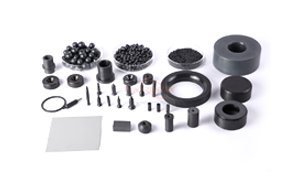
The material can be processed into a wide range of specialized shapes, including ignition elements, crucibles, positioning pins, shafts, guide rollers, cutting inserts, insulators, and furnace fixtures. The appropriate grade and manufacturing route depend on the component geometry and its operating environment.
Material Selection Checklist
1
2
3
4
The Component Finder
Six Silicon Nitride Component Categories
Start with the industrial task, then select a component family. This category framework intentionally focuses on specialized parts rather than bearings, tubes, nozzles, plates, or sheets.
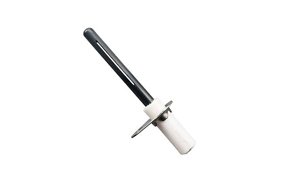
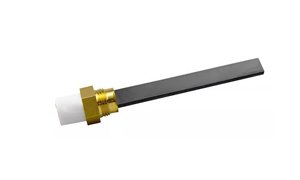
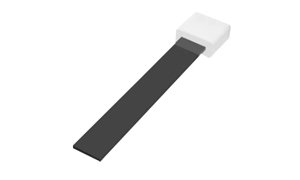
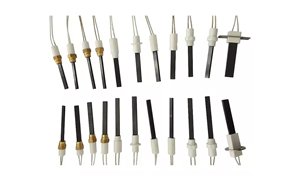
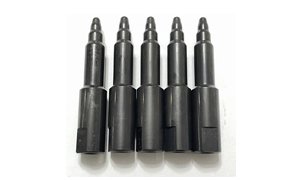
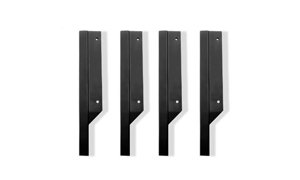
Silicon Nitride Igniters & Heating Components
Silicon nitride-based ignition and heating components are used in selected combustion and thermal equipment. Electrical design, heating response, mechanical mounting, and operating conditions must be matched to the specific appliance or system.
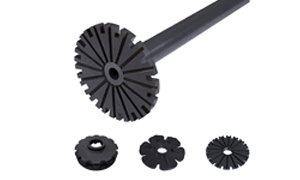
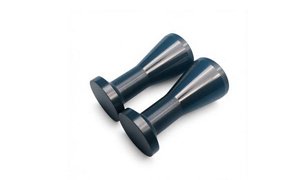
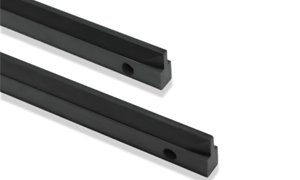
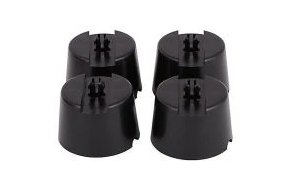
Silicon Nitride Molten Metal Handling Parts
These specialized ceramic components are considered for aluminum foundries, casting equipment, and high-temperature metal processing. Service suitability depends on alloy composition, contact duration, thermal cycling, geometry, and process conditions.
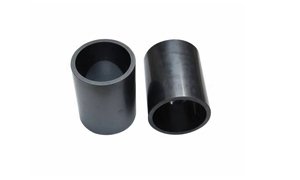
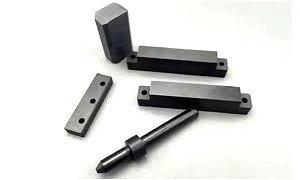
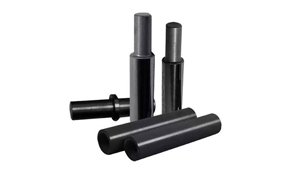
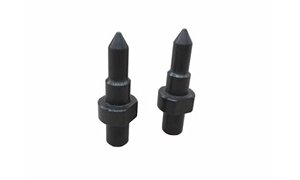
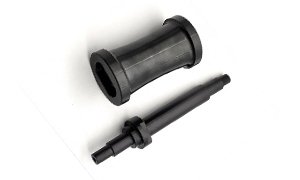
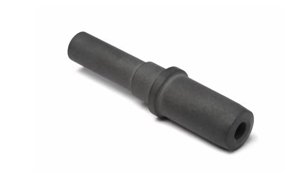
Silicon Nitride Pins, Plungers & Shafts
Precision structural components for positioning, reciprocating movement, alignment, and specialized machine assemblies. Critical dimensions and contact surfaces should be specified on the drawing.
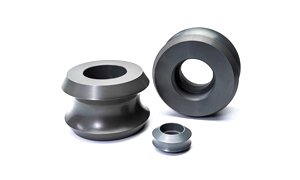
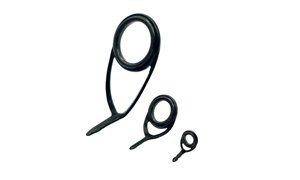
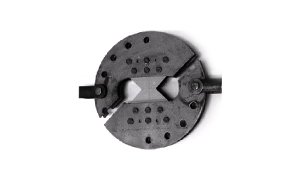
Silicon Nitride Rollers & Guide Components
Guide components support controlled movement and material positioning in selected production environments. Roller profile, alignment, line speed, contact load, and thermal exposure should be reviewed before selecting the ceramic grade.
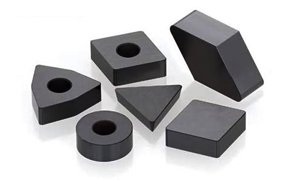
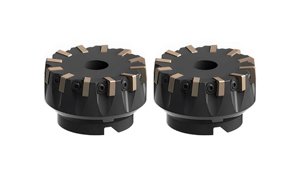
Silicon Nitride Cutting Tools & Machining Inserts
Silicon nitride-based cutting ceramics are used in selected machining applications, particularly where hot hardness and thermal behavior matter. Tool selection depends on workpiece alloy, cutting speed, feed, depth of cut, machine rigidity, and interrupted-cut conditions.
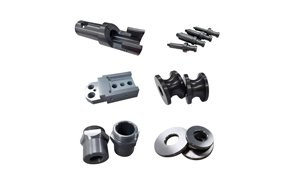
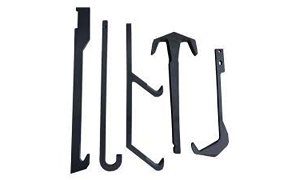
Silicon Nitride Insulators & Furnace Fixtures
Selected silicon nitride components can support specialized thermal and electrical equipment. Insulation requirements, operating atmosphere, thermal expansion, mounting method, and mechanical loads should be confirmed for each design.
Industry-to-Product Reference
Which Silicon Nitride Component Fits Your Industry?
Use this overview to identify a starting category. Final material and component selection requires application-specific engineering review.
| Industry | Typical Component Types | Key Selection Factors | Category |
|---|---|---|---|
| Gas Appliances & Heating | Igniters, ignition elements, heating components | Electrical design, temperature, mounting | Category 01 |
| Foundries & Aluminum Casting | Riser components, degassing rotors, sampling parts | Alloy compatibility, thermal shock, process cycle | Category 02 |
| Automation & Precision Machinery | Positioning pins, plungers, shafts, guide pins | Load, tolerance, surface finish, fit | Category 03 |
| Welding & Wire Processing | Welding rollers, wire guides, guide wheels | Contact wear, alignment, speed, heat | Category 04 |
| Metalworking & Machining | Cutting inserts, turning inserts, ceramic tooling | Workpiece material, speed, feed, tool geometry | Category 05 |
| Furnaces & Electrical Equipment | Insulators, support fixtures, hooks, test fixtures | Temperature, atmosphere, dielectric needs, load | Category 06 |
From Requirement to Component
A Practical Custom Si₃N₄ Component Workflow
For non-standard parts, align material selection, geometry, manufacturing feasibility, and inspection requirements before committing to production.
Application Review
Confirm temperature, load, operating medium, contact conditions, and component function.
Drawing & Material Review
Check geometry, material grade, tolerances, surface finish, and manufacturability.
Prototype & Validation
Where available, evaluate samples against the application and agreed inspection criteria.
Production & Inspection
Confirm the production route, quality checks, batch quantity, packaging, and delivery requirements.
Have a Drawing or Existing Component?
Send the dimensions, operating conditions, required quantity, and any available reference files for an initial review.
Frequently Asked Questions
Silicon Nitride Ceramic Parts: Technical & Purchasing FAQs
1. What is silicon nitride ceramic used for?
Silicon nitride ceramics are used in selected high-temperature, high-wear, precision-motion, metal-processing, machining, and electrical applications. Common component types include igniters, molten-metal handling parts, pins, plungers, shafts, rollers, cutting tools, insulators, and custom fixtures.
2. Why choose silicon nitride instead of a metal component?
Depending on the grade and application, silicon nitride can offer lower density than steel, high hardness, good wear performance, low thermal expansion, and thermal shock resistance. It is not automatically a better replacement for every metal part; load type, impact, geometry, joining method, and operating conditions must be evaluated.
3. Can silicon nitride components be manufactured to custom drawings?
Many silicon nitride component types can be produced to a drawing or sample, subject to material availability, forming and sintering constraints, machining capability, geometry, and tolerance requirements. Complex holes, grooves, thin sections, and precision fits should be reviewed before the quotation is finalized.
4. Can silicon nitride ceramic parts be used at high temperatures?
Silicon nitride is used in high-temperature applications, but the usable temperature depends on the specific grade, atmosphere, applied load, exposure time, thermal cycling, and component design. Request grade-specific data and confirm the intended operating conditions before specifying a maximum service temperature.
5. Are all silicon nitride grades electrically insulating?
Silicon nitride grades generally have useful electrical-insulation characteristics, but electrical performance varies with composition, porosity, processing, temperature, and environment. Applications with dielectric or high-voltage requirements should use verified grade-specific test data.
6. What details should be included in a silicon nitride parts inquiry?
Include the component name, drawing or sample, dimensions and tolerances, material requirements, operating temperature, load or contact conditions, process medium, required quantity, delivery target, and any inspection or documentation requirements.
7. How do buyers choose between different silicon nitride component types?
Start with the component’s function and industry. Igniters suit compatible ignition systems; molten-metal parts suit defined foundry processes; pins, plungers, and shafts support precision mechanisms; rollers and guides control material movement; cutting inserts support suitable machining operations; and insulators or fixtures serve selected thermal and electrical equipment.
Custom Si₃N₄ Components
Find the Right Ceramic Part for Your Equipment
Share your product requirements, engineering drawing, or existing component details to begin a manufacturing feasibility and quotation discussion.