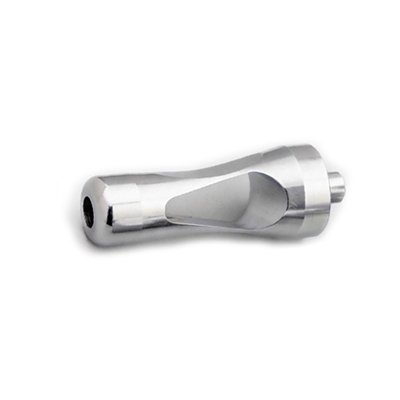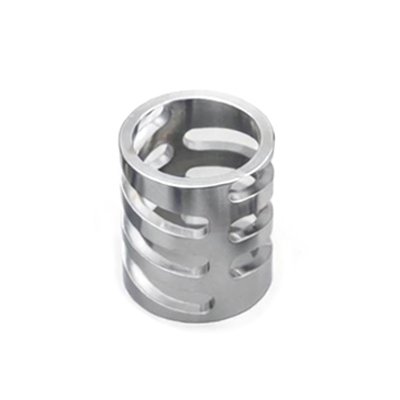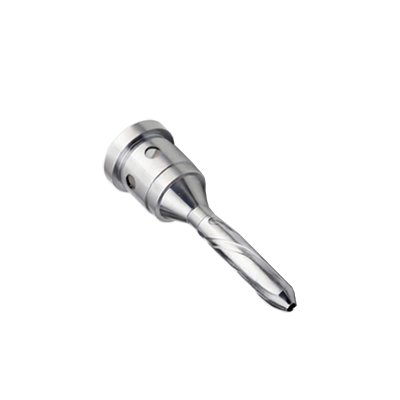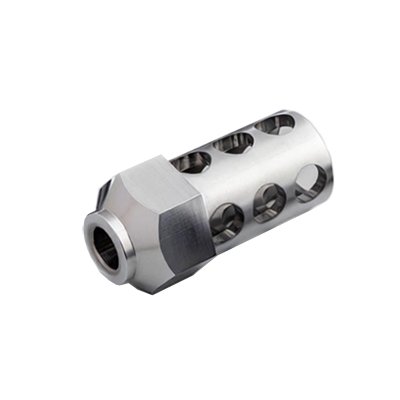
Metal Injection Molding

TOL ±1µm

Mirror finish, Ra ≤ 0.01 µm

Three-day rapid prototyping without mold

Supports 316L Stainless Steel, 17-4PH Stainless Steel,304 Stainless Steel,420 Stainless Steel, 440C Stainless Steel, M2 Tool Steel, Aluminum Alloy, Titanium Alloy, Copper, and Tungsten Alloy

Home » Metal Injection Molding (MIM)

Professional Metal Injection Molding Manufacturer

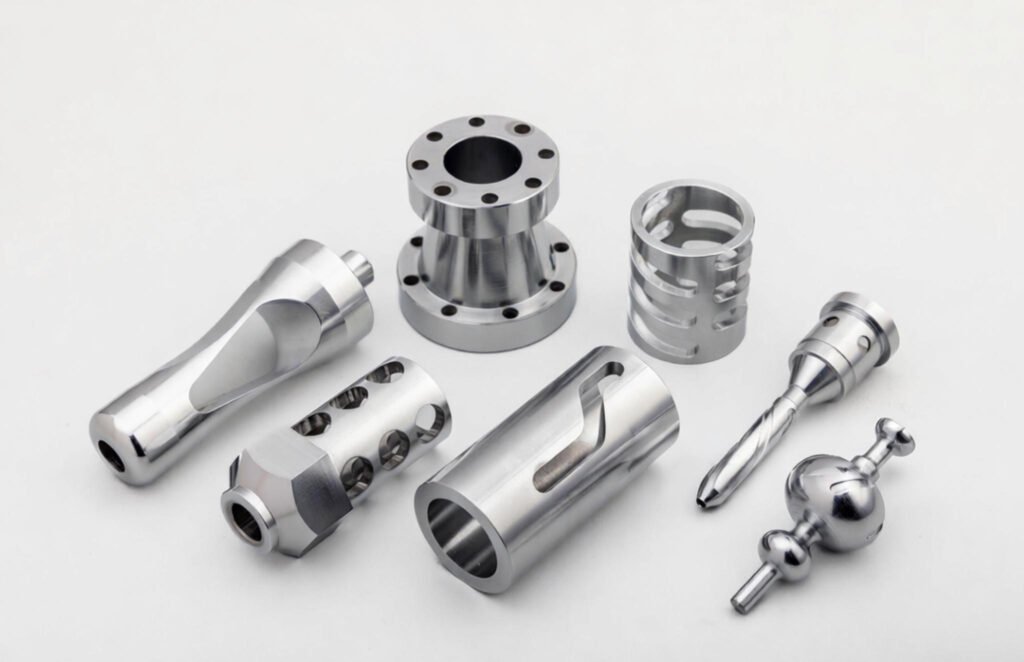
We are an enterprise in the field of metal injection molding (MIM) manufacturing, with over 10 years of rich experience. As a professional mold manufacturer, we focus on providing highly engineered solutions to meet your production needs. Our company has internal facilities equipped with professional technology, advanced equipment, and independent processing capabilities, ensuring excellent quality of MIM and CIM products and exceeding customer expectations. We offer you the most efficient manufacturing solutions. The company is always committed to quality, precision, and customer satisfaction, enabling us to stand out among metal injection molding enterprises. With our profound expertise in metal injection molding and metal sintering, we can provide cutting-edge products that meet the needs of various industries.

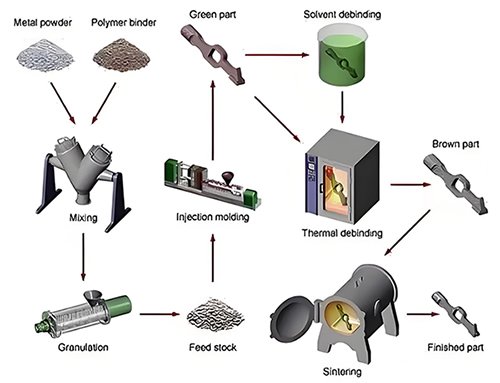
Ceramic Injection Molding Process

MIM is conceptually similar to die casting, both involving the injection of metal into a mold. The main practical difference between MIM and die casting lies in the available materials.
Although both methods can produce very complex parts in large quantities, only aluminum, magnesium, and zinc parts can be manufactured using the die casting process. If steel or titanium alloy parts need to be produced in large quantities, MIM may be the only option.
Another major limitation of MIM is the size of the parts. In most cases, the weight of the producible parts can reach up to 1 kilogram, while parts produced using the die casting process may weigh hundreds of times more.
Compared to other methods such as investment casting or large-scale 3D printing, MIM is an extremely cost-effective method that can be used to manufacture high-strength and complex-shaped parts. Its cost is also lower than that of CNC machining when producing in large quantities.

Metal Injection Molding Materials

The metal injection molding materials directly affect the strength, density, corrosion resistance and dimensional stability of the final part. Choosing the appropriate material is crucial for achieving the desired performance after sintering. We will select the materials based on their performance in the MIM process to ensure that our engineers can recommend the best solution for your project.

17-4PH Stainless Steel

304 Stainless Steel

316L Stainless Steel

420 Stainless Steel

440C Stainless Steel

Aluminum Alloy

Copper

M2 Tool Steel

Titanium Alloy

Tungsten Alloy

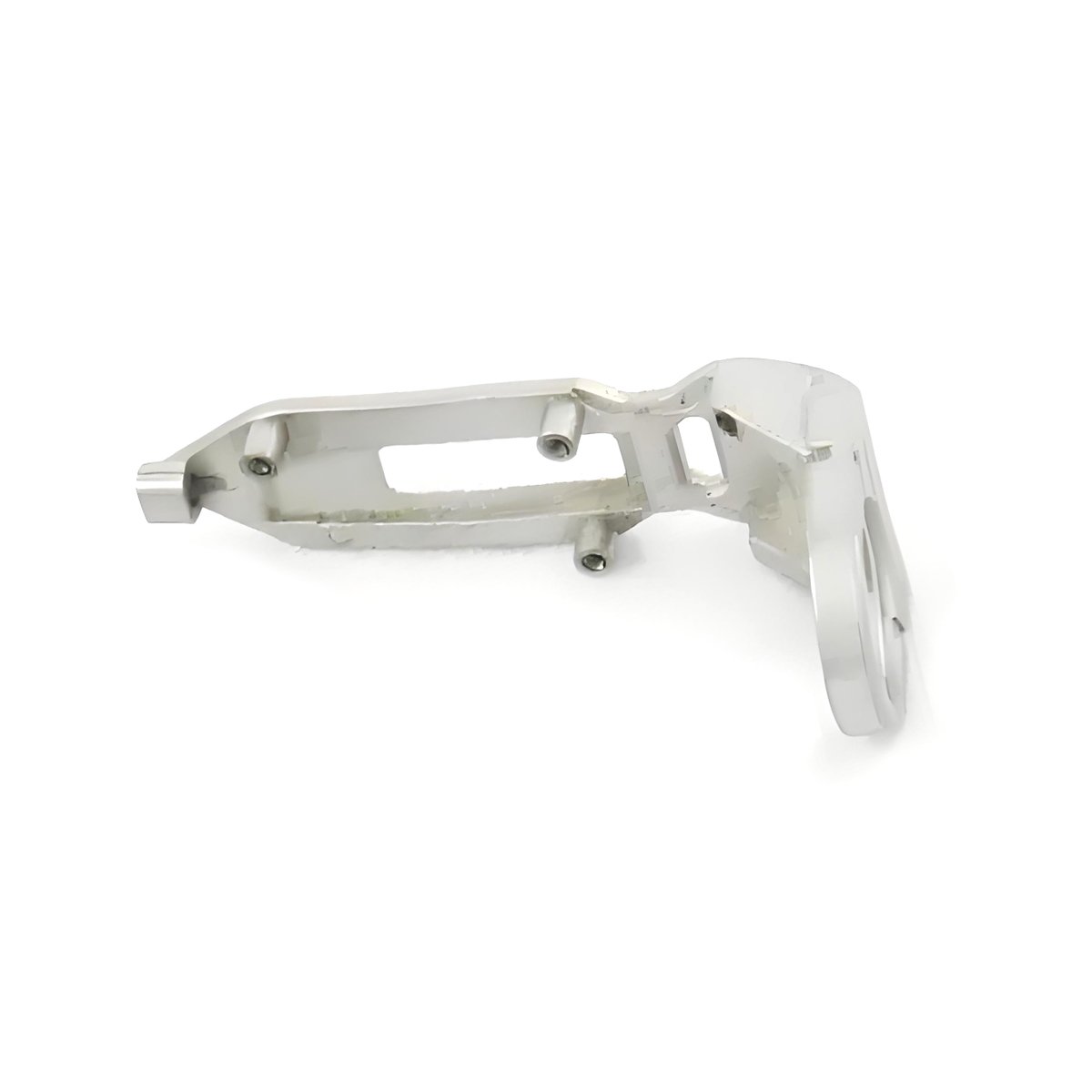
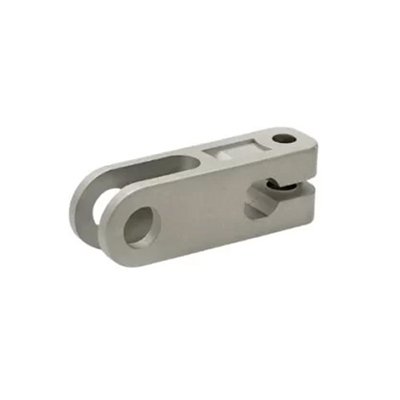
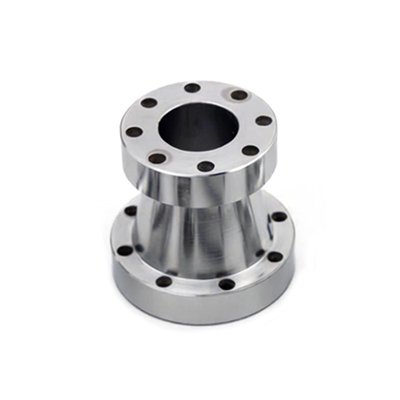
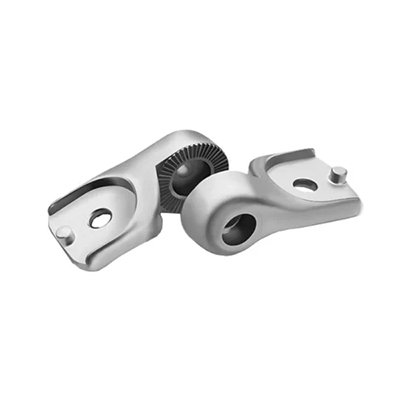
Our Custom MIM Parts
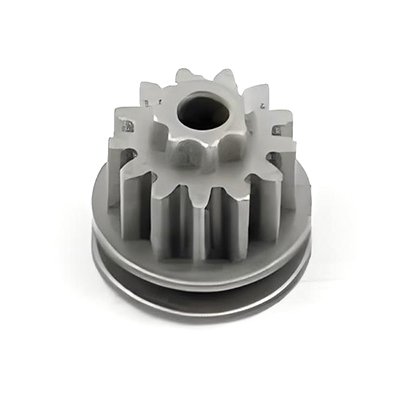
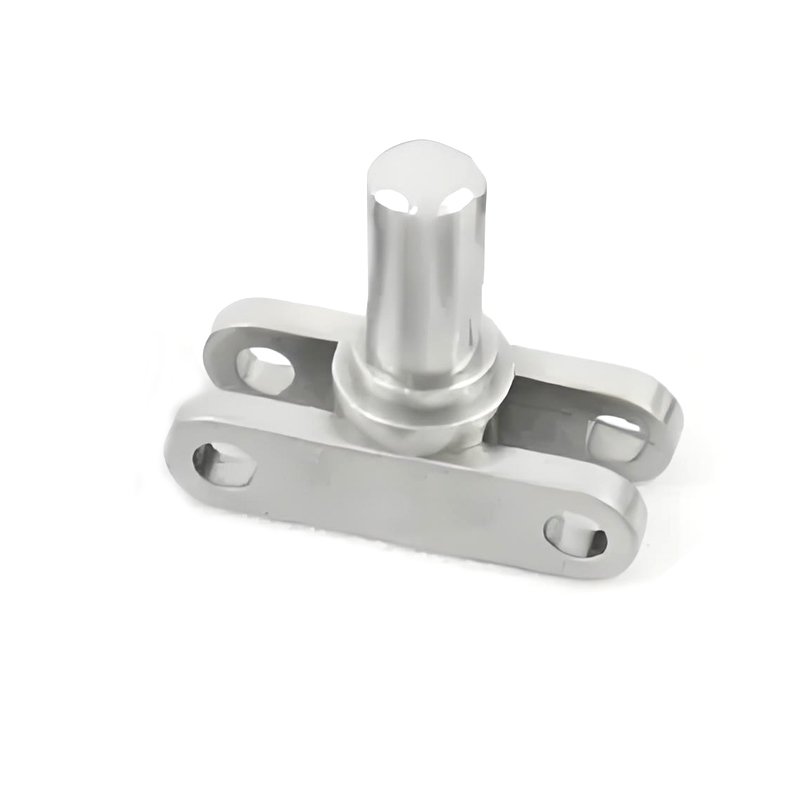
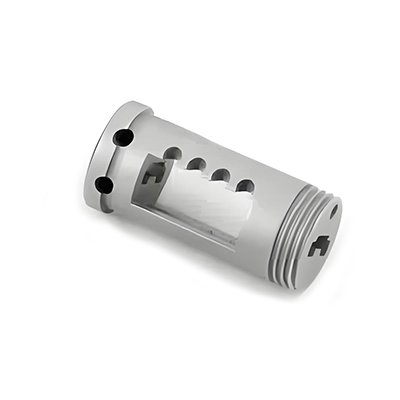
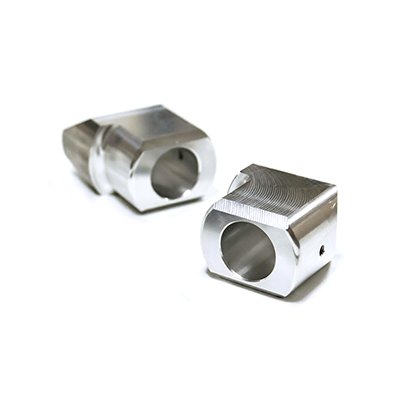
Our profound experience in custom metal components can provide you with a one-stop solution for your custom MIM components. We offer a full-process metal injection molding (MIM) service from DFM to large-scale production, supporting both small-batch and large-batch manufacturing.

Frequently Asked Questions

What is the typical production volume for MIM
Due to the high cost of molds, MIM is generally not suitable for small batch production, but it performs very well in large-scale production. In general, for components with an annual production volume of 100,000 pieces or more, it is attractive for very small parts. The reasonable minimum annual production range is 1,000 to 30,000 pieces. It is possible to have less than 1,000 pieces, but compared to other production methods, the overall economic benefits will be affected.
The MIM process shares many similarities with plastics. Both tend to adopt hollow and thin-walled structures, featuring a conical design and usually having a slender geometric shape. If a part is feasible in plastics, then it can also be manufactured using MIM, but it may not be economically viable.
MIM is conceptually similar to die casting, both involving the injection of metal into a mold. The main practical difference between MIM and die casting lies in the available materials. Although both methods can produce very complex parts in large quantities, only aluminum, magnesium, and zinc parts can be manufactured using the die casting process. If steel or titanium alloy parts need to be produced in large quantities, MIM may be the only option. Another major limitation of MIM is the size of the parts. In most cases, the weight of the producible parts can reach up to 1 kilogram, while parts produced using the die casting process may weigh hundreds of times more. Compared to other methods such as investment casting or large-scale 3D printing, MIM is an extremely cost-effective method that can be used to manufacture high-strength and complex-shaped parts. Its cost is also lower than that of CNC machining when producing in large quantities.