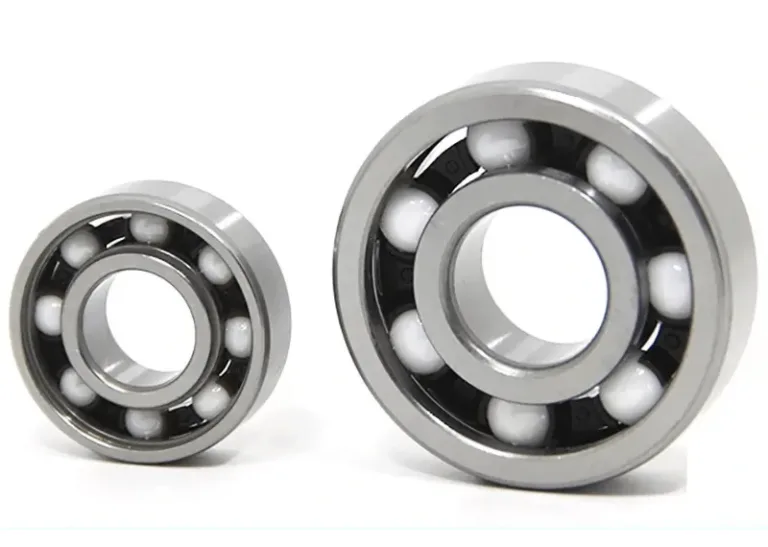
In modern industrial equipment, ceramic bearings help engineers manage high rotational speeds, demanding temperatures, electrical insulation requirements, and selected corrosive environments. However, their ceramic rolling elements do not eliminate the need for proper lubrication, contamination control, and routine inspection.
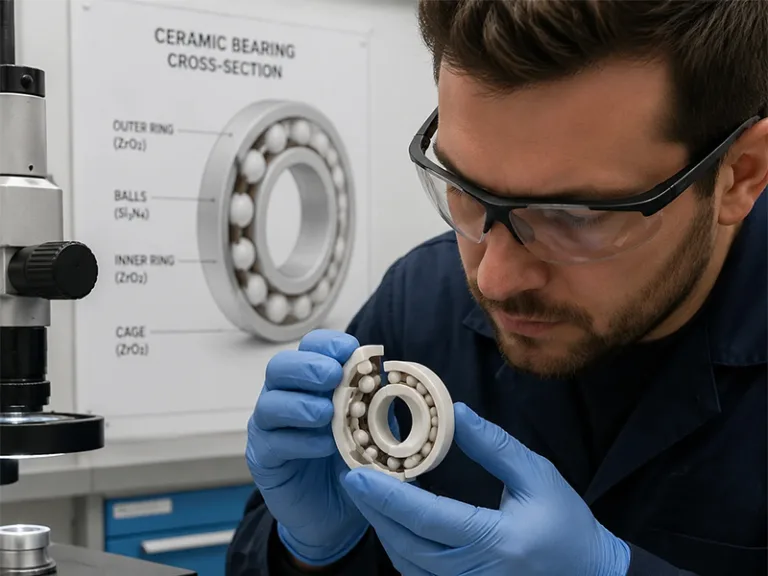
Therefore, effective ceramic bearing maintenance begins with understanding the bearing material, internal structure, operating conditions, and lubrication requirements. By following a condition-based maintenance plan, operators can reduce avoidable wear, detect early damage, and improve equipment reliability.