TECHNICAL INSIGHTS | ADVANCED CERAMICS
Silicon Nitride Ceramics for Semiconductor Equipment: Properties, Applications and Precision Manufacturing
Silicon nitride (Si₃N₄) is an advanced structural ceramic valued for its mechanical strength, fracture toughness and thermal-shock resistance. Discover how this material can support selected semiconductor equipment applications and how precision ceramic manufacturing helps turn engineering designs into functional components.
1. Introduction: Why Semiconductor Equipment Needs Advanced Ceramics
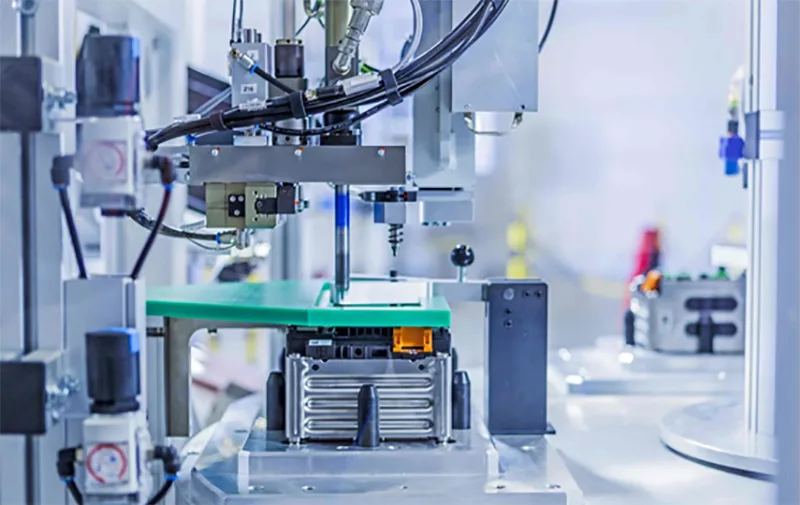
Semiconductor manufacturing requires equipment components that maintain dimensional accuracy and reliable performance under demanding operating conditions. Depending on the process, individual components may encounter elevated temperatures, mechanical loading, vacuum environments, chemical exposure or repeated thermal cycling.
Traditional metals remain essential in equipment construction. Nevertheless, selected applications require additional properties such as electrical insulation, wear resistance, low thermal expansion or improved thermal-shock performance.
Advanced technical ceramics provide alternative engineering materials for these requirements. Among them, silicon nitride (Si₃N₄) offers a useful combination of strength, fracture toughness, relatively low density and thermal stability.
As SEMICON Europa 2026 brings semiconductor manufacturers, equipment suppliers and material developers together, silicon nitride and other precision ceramics deserve attention as part of the industry’s broader material-engineering discussion.
2. Understanding Silicon Nitride (Si₃N₄)
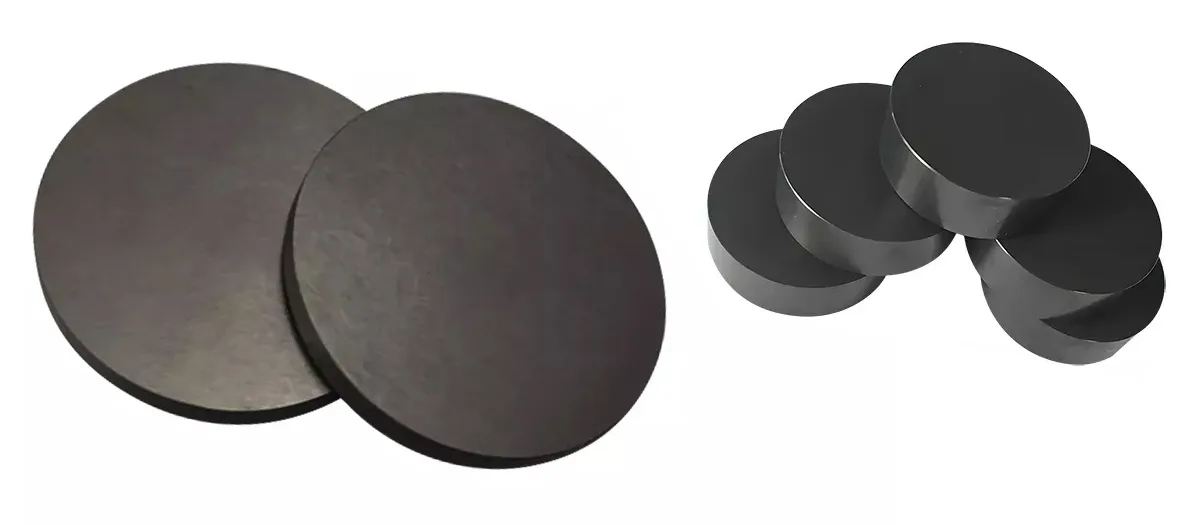
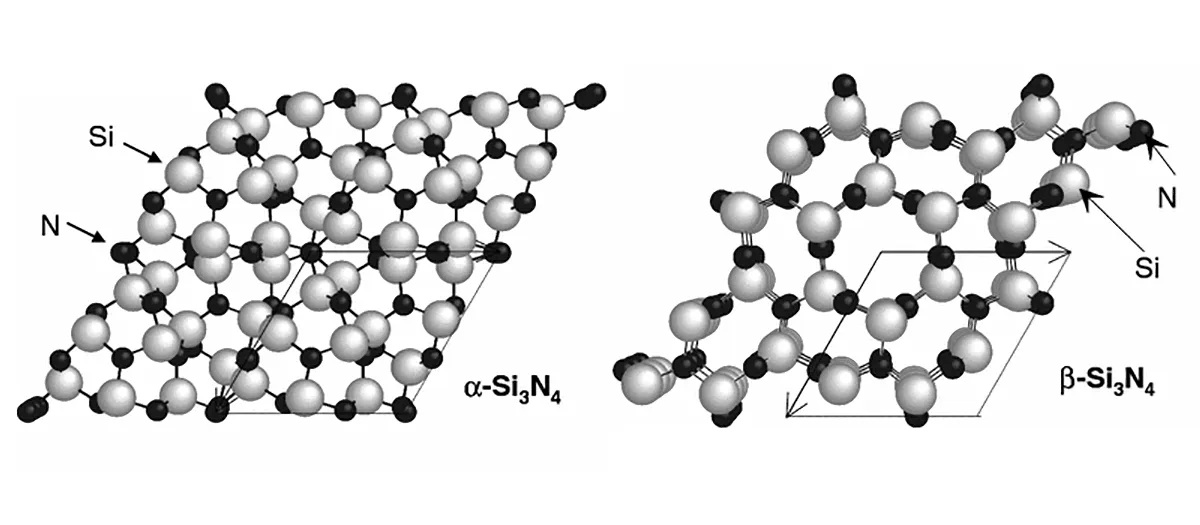
Silicon nitride is a non-oxide engineering ceramic with strong covalent bonding. Its mechanical and thermal properties depend on powder quality, phase composition, sintering additives, grain structure and manufacturing conditions.
Unlike many conventional ceramic materials, silicon nitride can combine relatively high fracture toughness with high strength. This combination makes it attractive for selected components exposed to mechanical stress, friction and thermal cycling.
2.1 Representative Material Properties
The following values are illustrative ranges for selected engineering silicon nitride grades. They are not guaranteed AOFE MIMCustom product specifications.
| Property | Representative Range | Engineering Significance |
|---|---|---|
| Density | 3.2-3.3 g/cm³ | Relatively low component mass |
| Flexural Strength | 600-1,000 MPa | Mechanical load resistance |
| Fracture Toughness | 5-8 MPa·m½ | Resistance to crack propagation |
| Thermal Expansion | Approximately 2.8-3.5 × 10⁻⁶ K⁻¹ | Dimensional stability during heating |
| Hardness | Approximately 12-17 GPa | Wear and surface resistance |
Actual values vary with material grade, sintering route, test method and specimen geometry. For procurement and equipment qualification, buyers should request the relevant technical data sheet and test conditions.
For meaningful comparisons, confirm the test standard and specimen preparation used for each reported value. Hardness and fracture-toughness results can vary with the measurement method, surface preparation and material grade; therefore, compare data only when the test conditions are clearly stated.
2.2 High Mechanical Strength and Fracture Toughness
Silicon nitride can achieve high flexural strength through suitable powder processing and controlled sintering. Its relatively high fracture toughness among engineering ceramics also helps it resist crack propagation under appropriate loading conditions.
These properties make it a candidate for precision structural parts, ceramic bearing elements, wear-resistant components and selected equipment supports.
2.3 Thermal Shock Resistance and Dimensional Stability
Rapid temperature changes can create thermal stresses within ceramic components. Silicon nitride combines relatively low thermal expansion with useful mechanical strength, helping it withstand thermal shock in suitable applications.
For equipment designers, this property is relevant when evaluating components exposed to repeated heating and cooling cycles.
2.4 Electrical and Chemical Properties
Appropriate silicon nitride grades provide electrical insulation. However, electrical resistivity and dielectric performance depend on composition, impurities and grain-boundary phases.
Similarly, chemical stability should be evaluated against the actual process gases, liquids, temperature and plasma conditions. General industrial chemical resistance does not automatically establish compatibility with every semiconductor process.
3. Silicon Nitride Applications in Semiconductor Equipment
Silicon nitride is not a universal replacement for every ceramic or metal component in semiconductor equipment. Its potential value depends on matching its properties to the actual component function and process conditions.
3.1 Precision Structural Components
Semiconductor equipment contains numerous structural components that require controlled dimensions and reliable mechanical performance.
Depending on the equipment design, silicon nitride may be evaluated for:
- Precision ceramic rings and sleeves
- Mechanical positioning components
- Selected support and alignment parts
- Custom structural inserts
Critical design considerations include mechanical loads, dimensional tolerances, surface finish, mounting geometry and thermal expansion compatibility.
3.2 Wafer Handling and Positioning Systems
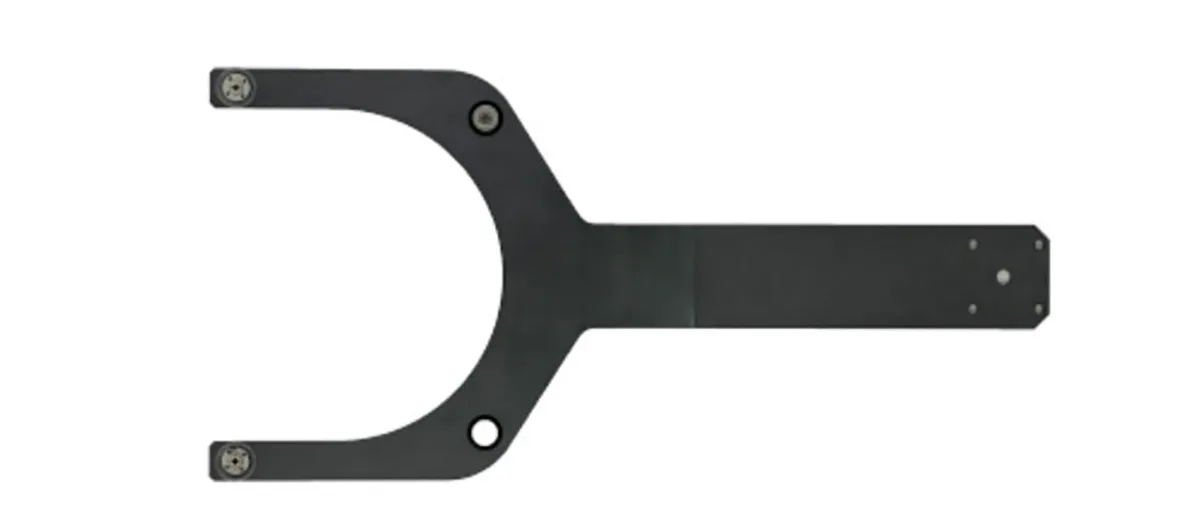
Wafer handling systems require accurate positioning, repeatable movement and controlled contact with delicate wafers.
Typical ceramic component categories include:
- Wafer support pins
- Ceramic positioning fixtures
- Handling grippers and selected end-effector parts
- Precision support rings
Silicon nitride may be considered for selected structural or mechanical components when its strength, wear resistance and dimensional properties suit the design.
However, wafer-contact components require additional verification of particle generation, surface finish, cleanliness and contact compatibility. Material selection must follow the equipment manufacturer’s qualification requirements.
3.3 Thermal Processing Components
Thermal processing equipment may use ceramic furnace supports, spacers, protective tubes and precision positioning components.
Silicon nitride can be evaluated for selected high-temperature structural applications. Nevertheless, continuous operating temperature, atmosphere, thermal gradients, exposure time and mechanical loading must be assessed for the specific grade.
3.4 Electrical Insulation and Wear-Resistant Parts
Selected equipment assemblies require components that combine electrical separation with mechanical stability.
Silicon nitride insulating rings, support components and wear-resistant parts may be considered where the material’s electrical and mechanical properties satisfy the engineering specification.
For applications requiring very high thermal conductivity, aluminum nitride may be more suitable. For other electrical insulation applications, alumina may provide a more economical solution.
4. Comparing Silicon Nitride with Other Advanced Ceramic Materials
Semiconductor equipment manufacturers use several technical ceramics because no single material provides the best performance for every application.
| Material | Main Properties | Potential Applications |
|---|---|---|
| Si₃N₄ | Strength, fracture toughness, thermal shock resistance | Precision structural and wear-resistant parts |
| Al₂O₃ | Electrical insulation, hardness, chemical stability | Insulators, rings and supports |
| SiC | Hardness, stiffness and thermal performance | Selected process and thermal components |
| AlN | High thermal conductivity and electrical insulation | Heating plates and thermal management |
| ZrO₂ | High fracture toughness and strength in suitable grades | Precision structural and wear-resistant components |
For accurate material selection, engineers should consider the complete application rather than comparing only one property. Purity, porosity, sintering additives, thermal expansion, chemical compatibility and manufacturing cost can all influence the final decision.
5. Structural Si₃N₄ Ceramics vs. Semiconductor SiN Thin Films
Silicon nitride appears in two distinct semiconductor-related product categories. Although they share similar chemical terminology, bulk ceramics and thin films have different structures, production methods and functions.
Bulk Structural Ceramics
Solid Si₃N₄ components manufactured through powder preparation, forming and sintering.
Typical functions: Mechanical structures, wear-resistant parts, precision supports and selected electrical insulators.
Semiconductor Thin Films
Thin SiN layers deposited onto semiconductor wafers through processes such as LPCVD and PECVD.
Typical functions: Dielectric isolation, passivation, diffusion barriers, etch stops and spacer structures.
The two technologies should not be confused. Ceramic Injection Molding manufactures bulk ceramic parts, whereas LPCVD and PECVD form silicon nitride-based (SiNₓ) thin films during wafer fabrication.
6. Ceramic Injection Molding for Complex Ceramic Components
Manufacturing technology plays a major role in determining the quality, cost and design flexibility of advanced ceramic components.
Ceramic Injection Molding (CIM) is particularly relevant to small and medium-sized complex ceramic parts that require repeatable production.
6.1 How Does CIM Work?
CIM combines ceramic powder with a suitable organic binder system to create a feedstock that can be injected into a precision mold.
01
Powder & Feedstock Preparation
02
Precision Injection Molding
03
Debinding
04
Sintering
05
Finishing & Inspection
During injection molding, the feedstock fills the mold cavity and forms a green component. Debinding subsequently removes the binder system, while sintering develops the final ceramic microstructure and density.
6.2 Potential Advantages of CIM
- Complex Geometries: Suitable for selected components with intricate shapes and integrated features.
- Repeatable Forming: A properly developed process can support consistent production.
- Near-Net-Shape Manufacturing: Can reduce machining requirements for suitable designs.
- Production Scalability: Particularly attractive when component geometry and production volume justify tooling investment.
Nevertheless, CIM is not suitable for every part. Large components, simple geometries, low-volume prototypes or extremely demanding finishing requirements may favor alternative manufacturing routes.
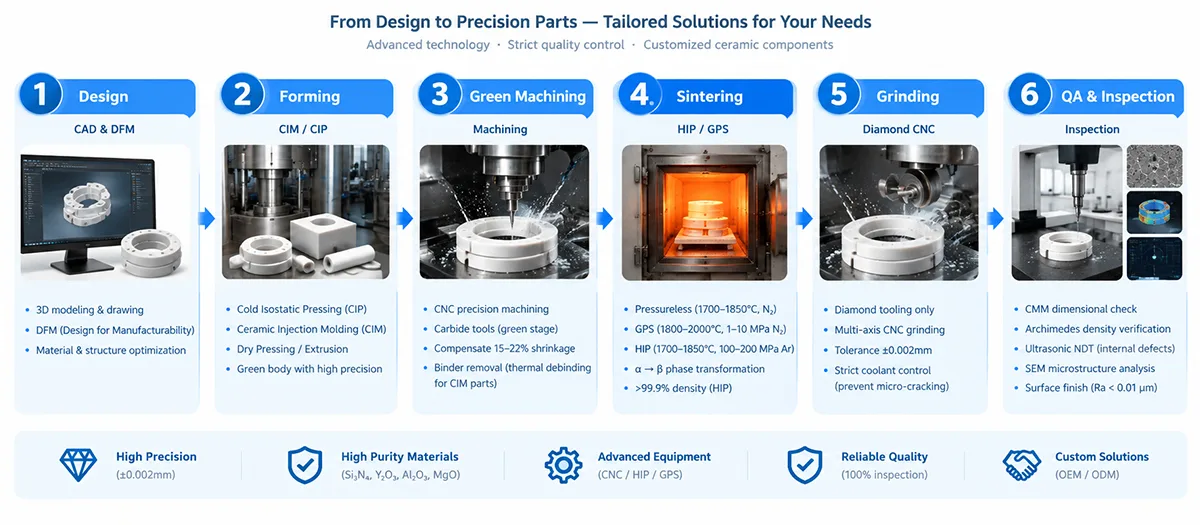
6.3 Silicon Nitride Forming and Sintering Considerations
Silicon nitride has a strong covalent bonding structure. Therefore, achieving high density requires careful control of powder characteristics, sintering additives and densification conditions.
For injection-molded silicon nitride components, the suitable sintering route depends on the powder formulation, component geometry and required properties. Gas-pressure sintering is an important densification route for silicon nitride; other methods may be considered when the material system and part design justify them. Hot pressing should not be presented as an interchangeable or routine post-molding route for complex CIM components.
Forming, debinding and sintering must be developed as an integrated process. Together, these stages influence grain structure, density, strength, dimensional shrinkage and final component performance. Manufacturers should therefore validate the complete process against the component drawing and application requirements.
7. Precision Control for Semiconductor Ceramic Components
Semiconductor equipment applications often require more detailed component specifications than conventional industrial applications.
7.1 Dimensional Accuracy and Shrinkage Control
During sintering, ceramic components undergo dimensional shrinkage. Powder characteristics, green density, component geometry and sintering conditions influence the final dimensions.
Manufacturers must account for shrinkage during tooling development and process optimization. Critical dimensions may require additional precision grinding or other finishing operations.
7.2 Surface Finish and Geometric Tolerances
Different equipment components require different surface specifications. Depending on the application, buyers may specify surface roughness, flatness, parallelism, concentricity, roundness and positional tolerances.
These parameters should be defined on the engineering drawing and linked to the component’s actual functional requirements.
7.3 Purity and Contamination Control
Semiconductor process environments may impose strict contamination limits. Ceramic powder composition, sintering additives, machining residues, cleaning methods and packaging conditions can influence component suitability.
Therefore, customers should define their material purity, traceability, cleaning and packaging requirements before production.
7.4 Inspection and Quality Verification
Depending on the product specification, a quality plan may include:
- Dimensional and geometric inspection
- Surface roughness measurement
- Density and material testing
- Microstructural evaluation
- Mechanical property verification
- Electrical property testing, where applicable
The inspection scope should match the customer’s technical specification, risk assessment and acceptance criteria.
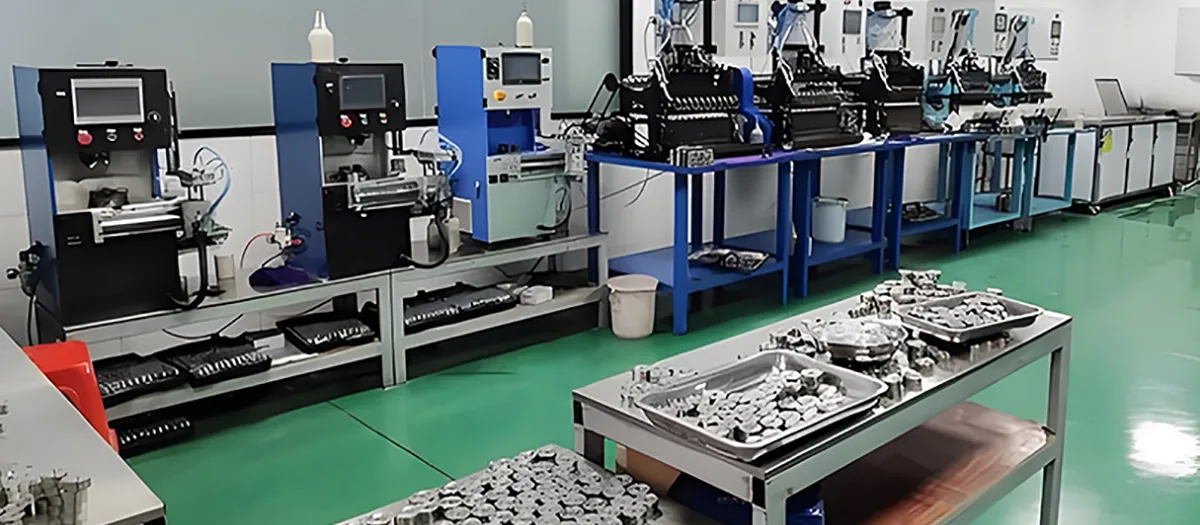
8. AOFE MIMCustom: Customized Silicon Nitride and Advanced Ceramic Components
AOFE MIMCustom provides customized advanced ceramic manufacturing solutions for industrial equipment manufacturers, OEM customers and engineering teams.
Its published ceramic material portfolio includes silicon nitride (Si₃N₄), aluminum oxide (Al₂O₃), zirconia (ZrO₂) and silicon carbide (SiC).
8.1 Silicon Nitride Ceramic Components
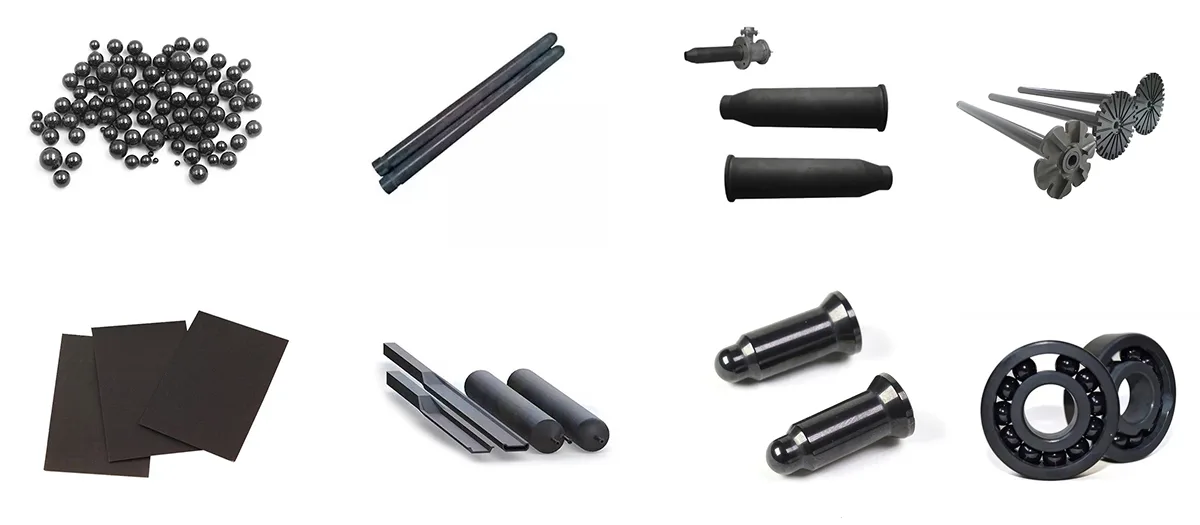
AOFE MIMCustom’s published silicon nitride product categories include:
Silicon Nitride Insulating Rings
For selected electrical insulation, positioning and structural applications.
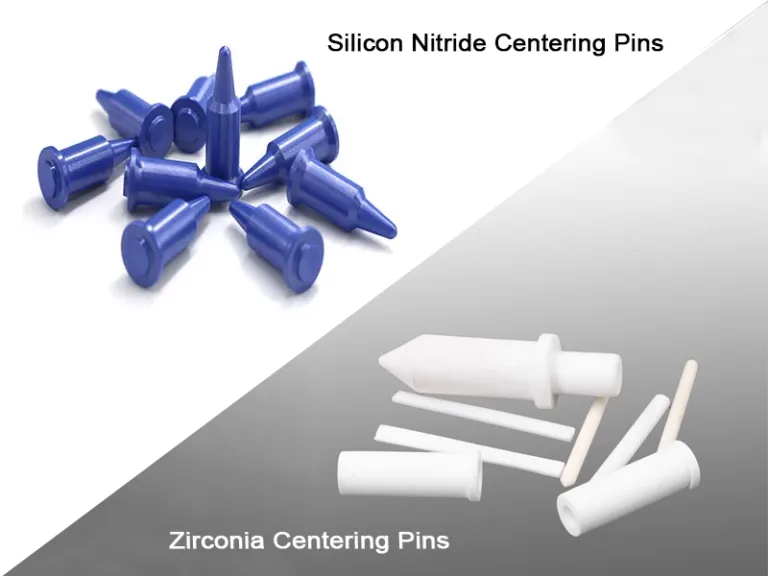
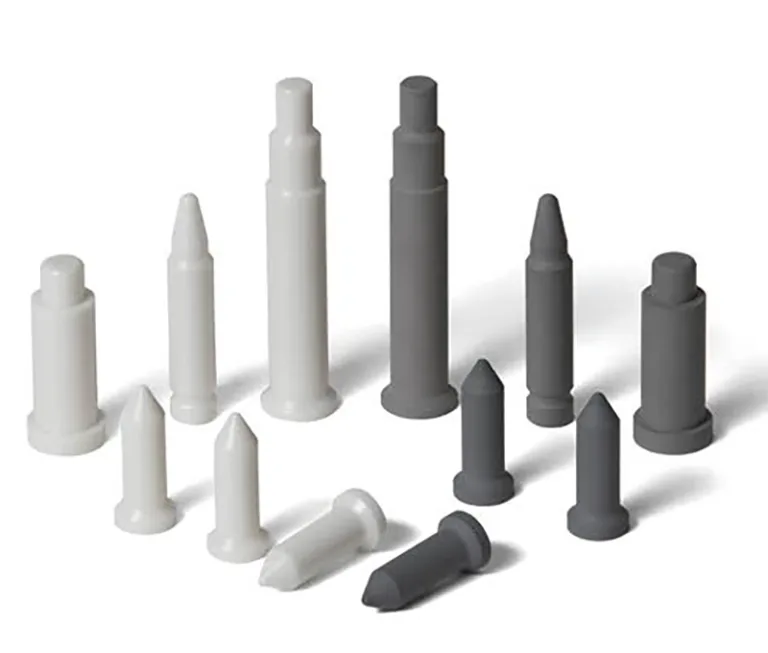
Silicon Nitride Positioning Pins
For precision alignment and selected equipment support systems.
Silicon Nitride Protective Tubes
For suitable thermal and industrial protection applications.
Silicon Nitride Nozzles
For selected fluid, gas and wear-related applications.
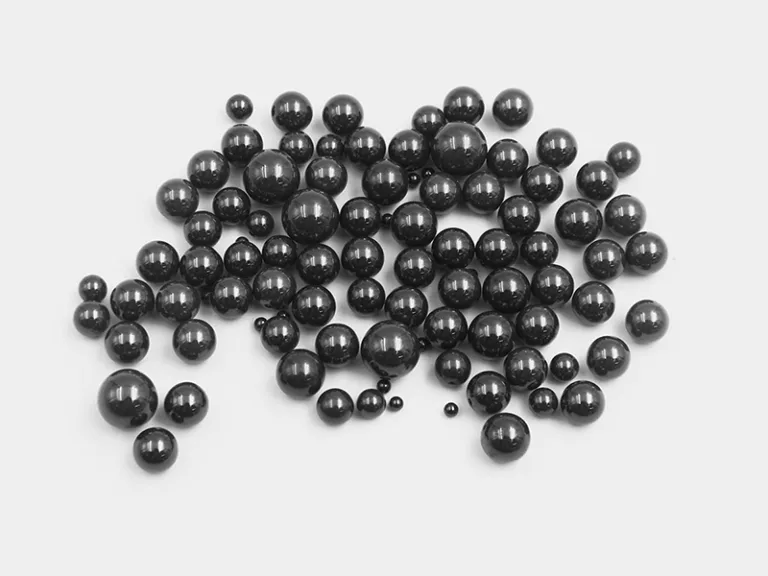
Silicon Nitride Ceramic Bearings
For precision rotating systems and selected mechanical applications.
Custom Structural Parts
For OEM designs requiring specific geometries and dimensions.
These product categories provide a starting point for project evaluation. Semiconductor equipment suitability must still be confirmed according to process conditions and customer qualification requirements.
8.2 Ceramic Injection Molding and Custom Manufacturing
AOFE MIMCustom offers Ceramic Injection Molding services for advanced ceramic materials, together with mold development, secondary processing and customized component evaluation.
Depending on the material, geometry and production quantity, manufacturing feasibility may involve feedstock preparation, injection molding, debinding, sintering, precision finishing and inspection.
For customers with complex component geometries, an early design-for-manufacturing review can help identify tooling considerations, expected shrinkage, machining requirements and possible cost improvements.
8.3 Engineering Review for Semiconductor Projects
AOFE MIMCustom welcomes technical discussions concerning customized ceramic components. An engineering evaluation should consider the following information:
- Component function and equipment application
- Material grade and required properties
- Operating temperature and thermal cycling
- Mechanical loading and wear conditions
- Chemical, vacuum and process compatibility
- Dimensions, tolerances and surface finish
- Purity, cleaning and inspection requirements
- Prototype quantity and expected production volume
For more information, visitAOFE MIMCustom Silicon Nitride Ceramic Componentsand Ceramic Injection Molding Services.
9. How to Specify Custom Ceramic Components for Semiconductor Equipment
A complete technical inquiry helps manufacturers evaluate material suitability, production feasibility and inspection requirements.
| Specification | Information to Provide |
|---|---|
| Component Design | 2D engineering drawings or 3D CAD files |
| Material | Si₃N₄ grade or proposed material requirements |
| Operating Conditions | Temperature, vacuum, gases and chemical exposure |
| Mechanical Requirements | Load, speed, friction and impact conditions |
| Dimensional Requirements | Critical dimensions and geometric tolerances |
| Surface Requirements | Roughness, flatness and cleaning specifications |
| Production Requirements | Prototype quantity and annual demand |
| Quality Requirements | Inspection reports, traceability and acceptance criteria |
With these details, manufacturers can evaluate whether CIM, conventional ceramic forming or another production route is the most appropriate option.
Frequently Asked Questions
Why is silicon nitride used in semiconductor equipment?
Silicon nitride offers a combination of mechanical strength, fracture toughness, relatively low density and thermal-shock resistance. Engineers may evaluate it for selected structural, support and wear-resistant components when its material grade is compatible with the equipment environment.
Is silicon nitride suitable for wafer handling components?
It may be suitable for selected wafer-handling structures or mechanical parts. However, any component that contacts a wafer requires qualification for particle generation, surface finish, cleanliness, chemical compatibility and the equipment manufacturer’s acceptance criteria.
What is the difference between Si₃N₄ ceramics and SiN thin films?
Si₃N₄ ceramics are bulk structural materials formed from ceramic powder and densified through a suitable manufacturing process. Silicon nitride-based (SiNₓ) thin films are deposited on wafers, commonly using LPCVD or PECVD, for functions such as dielectric isolation, passivation or diffusion barriers.
Can silicon nitride components be manufactured using CIM?
Selected silicon nitride components with suitable size, geometry and production volume may be considered for Ceramic Injection Molding. Feasibility depends on feedstock formulation, mold design, debinding, sintering, shrinkage control and required finishing.
What information is needed for a custom silicon nitride ceramic quote?
Provide a 2D drawing or 3D CAD file, component function, operating temperature, atmosphere or chemical exposure, mechanical loads, critical tolerances, surface and cleanliness requirements, material preferences, prototype quantity and expected production volume.
Conclusion: Engineering Better Semiconductor Equipment with Silicon Nitride
Silicon nitride provides a valuable combination of mechanical strength, fracture toughness, relatively low density and thermal-shock resistance. These characteristics make it a candidate for selected precision structural, support and wear-resistant components in semiconductor equipment.
However, successful application depends on matching the material grade, component geometry and manufacturing route to the actual operating environment. Alumina, silicon carbide, aluminum nitride and zirconia also play important roles where their individual properties better match the engineering requirements.
Meanwhile, Ceramic Injection Molding provides an additional manufacturing option for complex ceramic components when tooling, process control and production volume justify its use.
AOFE MIMCustom supports customized silicon nitride and other advanced ceramic component development. Share your engineering requirements to discuss material selection and manufacturing feasibility.
Request a Custom Silicon Nitride Ceramic Quote
Have a drawing, 3D model or ceramic component development project? Send your specifications, material requirements and estimated quantity for technical evaluation.
AOFE MIMCustom | Silicon Nitride Ceramics | Ceramic Injection Molding | Custom OEM Components
References and Further Reading
- Fraunhofer IKTS – Silicon Nitride and Nitride Ceramics
- CeramTec – Advanced Technical Ceramics
- SEMICON Europa – Semiconductor Industry Event
- AOFE MIMCustom – Silicon Nitride Ceramic Products
- AOFE MIMCustom – Ceramic Injection Molding
- AOFE MIMCustom – Semiconductor Applications
- AOFE MIMCustom – Two Forming Processes for Silicon Nitride