Industry Analysis • Advanced Materials • Strategic Framework
Top Ten Advanced Ceramic Materials with the Greatest Development Potential
Si3N4
Y2O3
BaTiO3
SiC/SiC
Zirconia
⚡ Executive Summary: The Four-Tier Framework
- Initially, industry analysts categorize aluminum nitride, silicon nitride, and yttrium oxide into the first tier, as computing power and high-voltage applications have fundamentally repriced their market value.
- Furthermore, barium titanate and high-purity alumina occupy the second tier because their ultimate performance limits depend entirely on powder consistency and purity upgrades.
- Meanwhile, silicon carbide, transparent ceramics, and lead-free piezoelectrics form the third tier by entering entirely new application tracks driven by equipment localization and environmental regulations.
- Ultimately, zirconia and SiC/SiC composites anchor the fourth tier as slow-moving variables that guarantee long-term, high-certainty returns in consumer healthcare and aerospace propulsion.
Tier 1: Repriced by Computing Power and High-Voltage Applications
First, aluminum nitride dominates power substrates and ceramic heaters because official industry catalogs now mandate thermal conductivity thresholds exceeding 180 W/(m·K) for standard components and 200 W/(m·K) for high-end substrates. Specifically, engineers struggle with oxygen impurities entering the crystal lattice, which creates aluminum vacancies, scatters phonons, and frequently drops actual thermal performance below 150 W/(m·K) despite nominal 200 W/(m·K) specifications. Consequently, mastering powder oxygen content remains the ultimate competitive barrier.
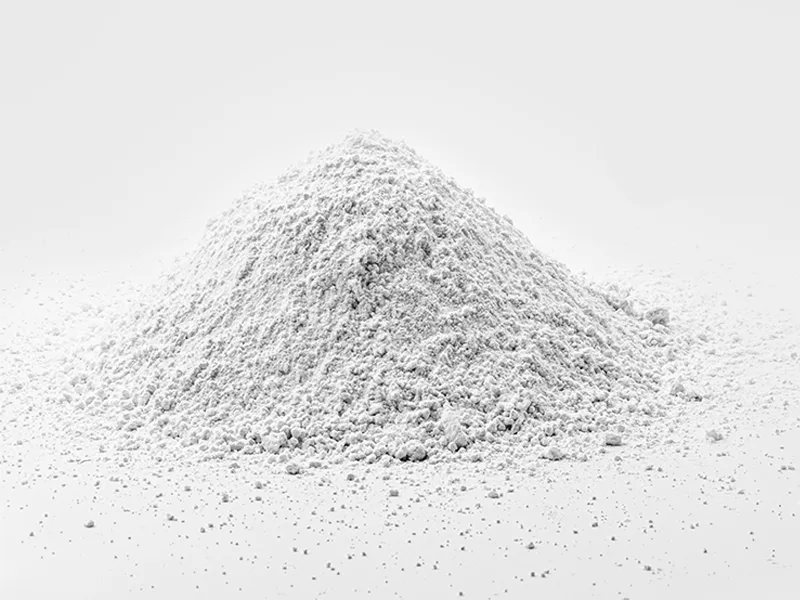
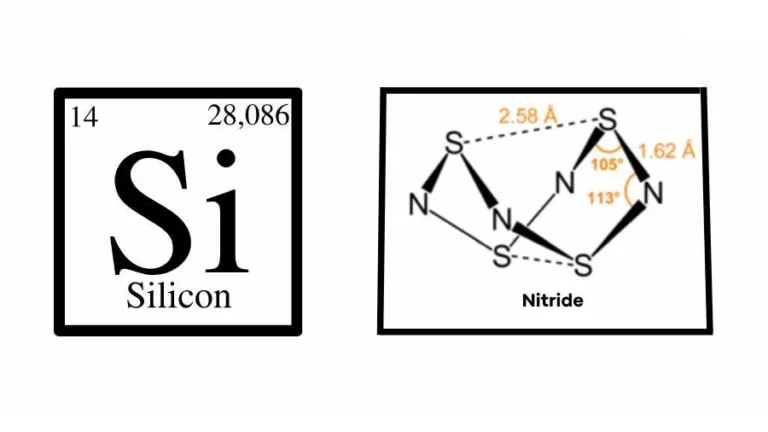
Second, silicon nitride captures dual growth engines through AMB substrates and bearing balls, demanding substrate thermal conductivity above 85 W/(m·K) alongside bending strength exceeding 700 MPa. Additionally, automotive electric drive systems require ceramic bearing balls featuring bending strength over 900 MPa, fracture toughness between 6 and 7 MPa·m1/2, and crush load ratios surpassing 40%. Therefore, silicon carbide vehicle power modules and next-generation drivetrains simultaneously consume massive volumes of this specific ceramic.
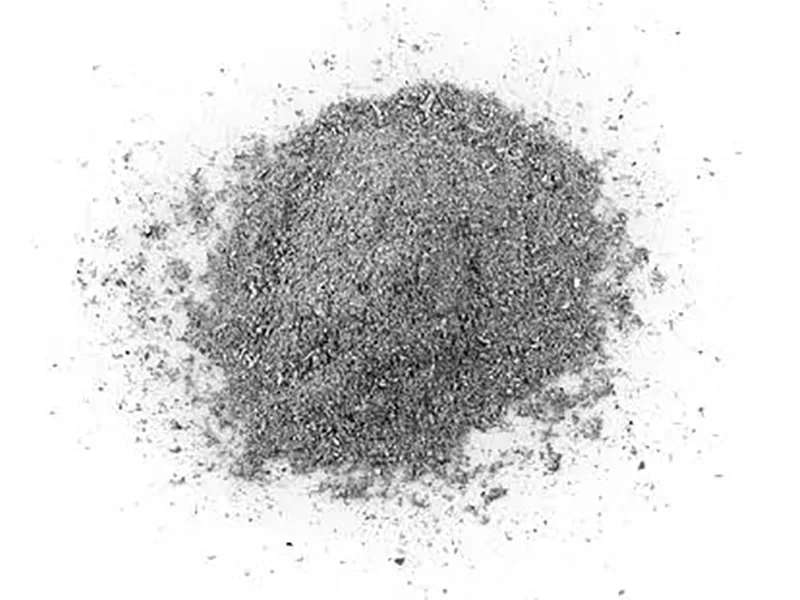
Third, yttrium oxide protects etching chamber liners because fluorine plasma converts traditional alumina into volatile aluminum fluoride, thereby contaminating sensitive wafers. Conversely, yttrium oxide reacts to form a dense yttrium fluoride protective layer that successfully blocks corrosion and reduces the etching rate to merely one-fifth of alumina. Nevertheless, domestic production currently satisfies less than ten percent of advanced process requirements, leaving immense room for localization.
Tier 2: Bottlenecked by Powder Quality
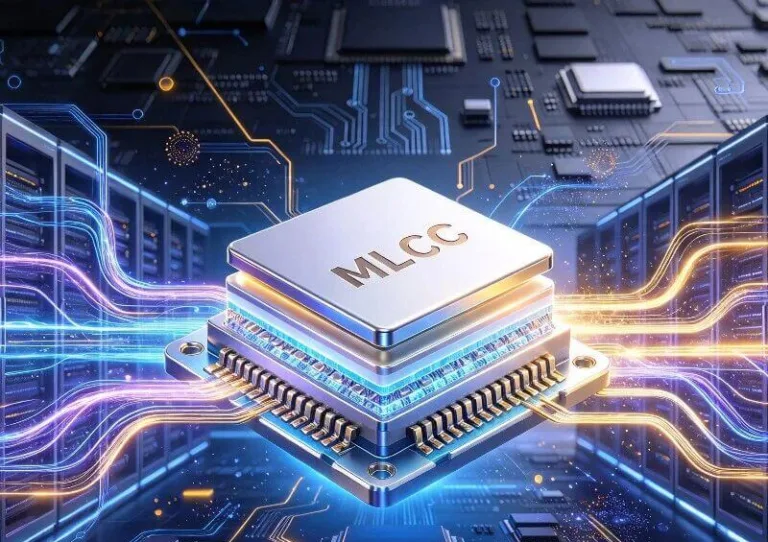
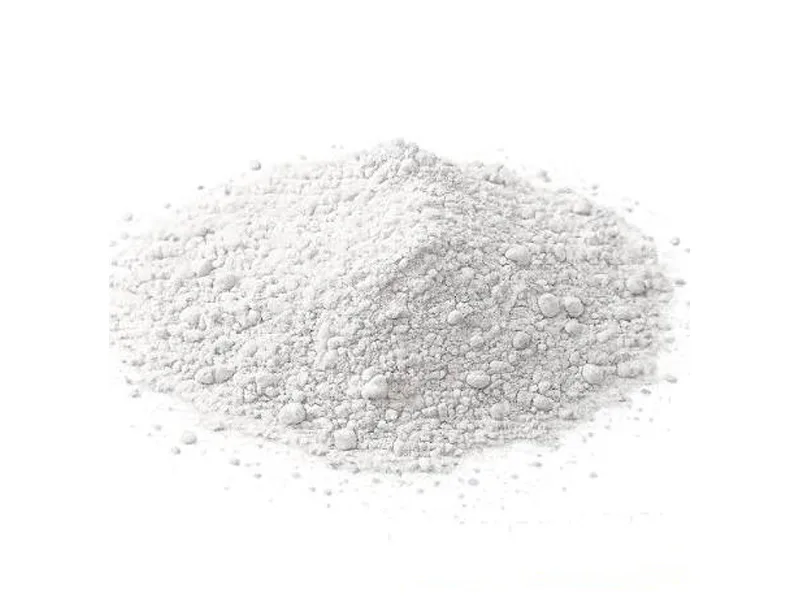
Fourth, barium titanate exemplifies the principle that powder dictates everything for MLCC dielectric layers, especially when manufacturers push layer thickness below one micrometer. Specifically, powder particle sizes must shrink from 200-300 nanometers down to 80-150 nanometers with extremely narrow distributions, otherwise grains larger than the layer thickness simply fail to fit. Currently, Japanese manufacturers mass-produce 80-100 nanometer powders achieving 1600 layers, whereas domestic suppliers mainly offer 120-150 nanometer powders limited to 800-1200 layers. Thus, the gap lies entirely in batch consistency rather than chemical formulation.
Fifth, high-purity alumina represents the largest volume segment while hiding lucrative opportunities within purity grading structures. Generally, 96% alumina competes purely on cost, but applications demanding 99.6% purity require strict control over sodium and silicon impurities alongside exceptional batch stability. Hence, semiconductor components, wear-resistant parts, and transparent ceramics all continuously migrate toward this premium purity tier.
Tier 3: Entering New Tracks
Sixth, silicon carbide inevitably becomes the material of choice wherever applications demand high corrosion resistance, extreme thermal loads, and superior thermal shock performance. Interestingly, three seemingly unrelated application lines—etching components, astronomical mirrors, and specialized seals—actually share the exact same powder preparation and sintering capabilities. As a result, equipment localization trends naturally spill over into silicon carbide component manufacturing.
Seventh, transparent ceramics pursue a direct substitution route against sapphire for infrared windows and missile domes. Notably, a two-millimeter thickness achieves over 80% transmittance across the 0.2 to 6 micrometer wavelength band, while offering roughly 85% of sapphire’s hardness at larger sizes, more complex shapes, and lower costs. However, manufacturers must perfectly execute carbothermal reduction nitridation for ultra-fine single-phase powders, followed by extremely high-temperature prolonged sintering, because missing either step instantly causes optical fogging.
Eighth, lead-free piezoelectric ceramics represent the only material category that environmental regulations actively push forward to replace toxic PZT in ultrasonic and underwater acoustic applications. To qualify, materials must simultaneously deliver a piezoelectric constant exceeding 600 pC/N, maintain temperature variation below 10% between 20 and 120 degrees Celsius, and keep batch differences under 5%. Consequently, the market opportunity stems not from superior performance, but from customers facing mandatory compliance transitions.
Tier 4: Slow Variables with High Certainty
Ninth, zirconia serves as the most consumer-oriented ceramic, utilizing 3Y-TZP formulations to deliver 900-1500 MPa bending strength and 3.5-4.5 MPa·m1/2 fracture toughness for all-ceramic dental crowns and long bridges. Meanwhile, manufacturers increase yttria to 5Y to boost translucency at the expense of strength, thereby splitting anterior aesthetics and posterior load-bearing applications into two distinct formulas. Although this segment never experiences explosive growth, it consistently expands every single year.
Tenth, SiC/SiC composites offer merely one-third the density of nickel-based superalloys while withstanding significantly higher temperatures, making them the ultimate generational upgrade for aerospace engine stator components. Admittedly, while shrouds and combustion chamber liners have already reached mass production, rotating blades remain commercially unviable. Ultimately, this material sits last not due to unimportance, but because engine validation cycles entirely dictate its deployment rhythm.
Strategic Conclusion
In summary, evaluating advanced ceramics requires looking far beyond basic material properties to understand underlying bottleneck shifts. Whether dealing with powder oxygen content in AlN, particle distribution in BaTiO3, or validation timelines for SiC/SiC, successful enterprises align their R&D investments with these specific constraint variables. Therefore, the greatest development potential belongs to companies that master both the fundamental chemistry and the precise manufacturing execution required by each distinct tier.
❓ Frequently Asked Questions
Which advanced ceramic materials belong to the highest growth tier?
Aluminum nitride, silicon nitride, and yttrium oxide form the first tier because computing power and high-voltage applications have fundamentally repriced their market value and demand curves.
Why do barium titanate and high-purity alumina face powder bottlenecks?
These materials belong to the second tier because their ultimate performance limits depend entirely on powder consistency; for instance, MLCC dielectric layers require ultra-narrow particle distributions below 150 nanometers.
What makes SiC/SiC composites a slow but certain investment?
SiC/SiC composites offer one-third the density of nickel-based superalloys with higher temperature resistance, yet their commercial rollout for rotating blades depends on lengthy aerospace engine validation cycles.
How does yttrium oxide improve semiconductor etching chambers?
Yttrium oxide reacts with fluorine plasma to form a dense yttrium fluoride protective layer, thereby reducing the etching rate to one-fifth of traditional alumina and preventing wafer contamination.
Why are regulators pushing the adoption of lead-free piezoelectric ceramics?
Environmental regulations mandate the replacement of toxic lead zirconate titanate, forcing manufacturers to adopt lead-free alternatives that simultaneously achieve high piezoelectric constants and strict batch consistency.
Related topics: Advanced Ceramics • Semiconductor Materials • EV Power Electronics • MLCC Dielectrics • Aerospace Composites • Piezoelectric Sensors • Ceramic Matrix Composites