Advanced Ceramic Materials | Bearing Technology
Why Haven’t Tougher Zirconia Ceramics Become the Mainstream Choice for Bearing Balls?
Although zirconia offers higher fracture toughness than conventional silicon nitride, bearing performance depends on much more than resistance to a single impact. Instead, rolling contact fatigue, internal defects and long-term failure behavior determine whether a ceramic material can perform reliably in precision bearings.
The Short Answer
In practice, silicon nitride (Si₃N₄) has become the established ceramic bearing ball material because its rolling contact fatigue performance and comparatively progressive spalling behavior suit demanding bearing applications. By comparison, zirconia (ZrO₂) offers genuine advantages in fracture toughness and thermal expansion compatibility with steel, yet those advantages alone do not establish it as the best material for long-term rolling contact.
1. Ceramic Bearing Balls Are a Material Family, Not a Single Material
To begin with, the term “ceramic ball” describes a family of engineering components rather than one specific material. Moreover, different ceramic compositions deliver different combinations of density, hardness, fracture behavior, corrosion resistance and thermal performance.
For bearing applications, four materials deserve particular attention: silicon nitride, zirconia, silicon carbide and alumina. However, these materials do not serve identical engineering purposes, so selecting a bearing ball requires an application-based evaluation rather than a simple hardness ranking.
2. Four Main Ceramic Ball Materials and Their Characteristics
At a glance, the four materials have distinct engineering profiles. Therefore, the following comparison provides a useful starting point for material selection.
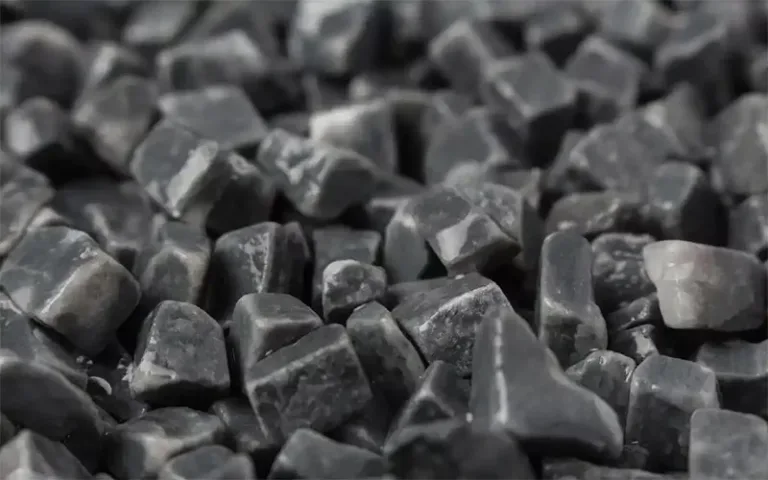
Silicon Nitride
Si₃N₄
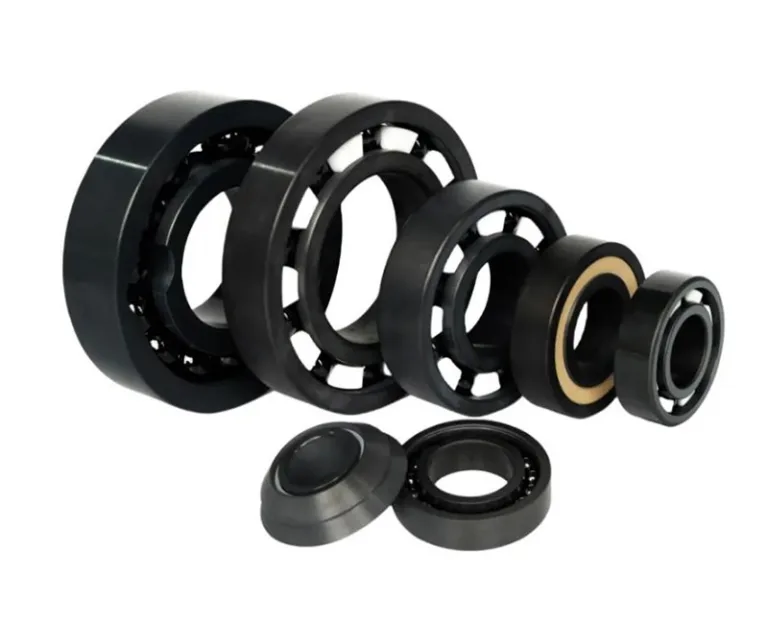
Notably, its density is approximately 3.2 g/cm³, or around 40% of bearing steel’s density.
Typical applications: high-speed precision bearings, electric motors and machine-tool spindles.
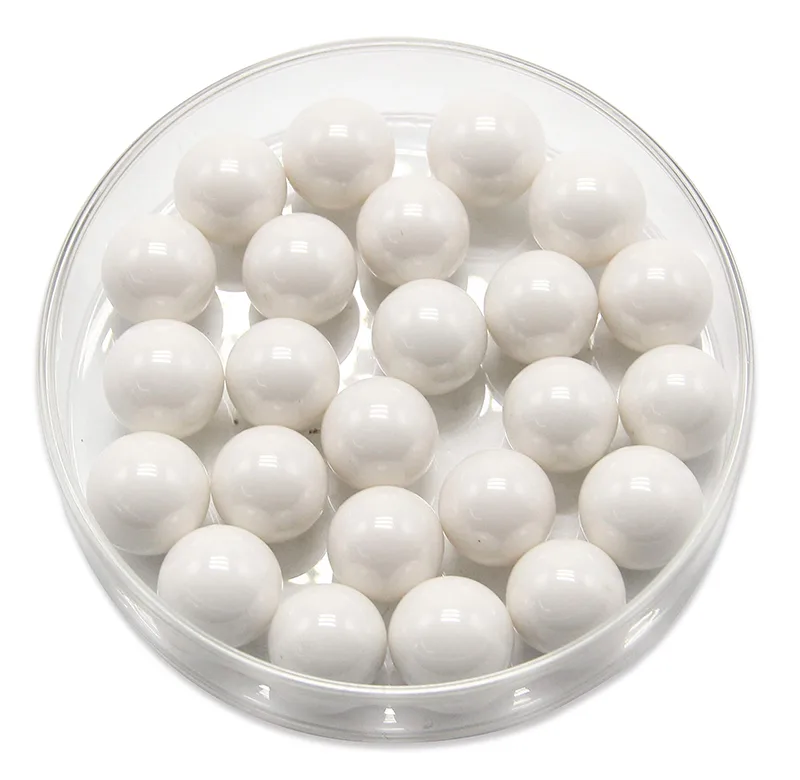
Zirconia
ZrO₂
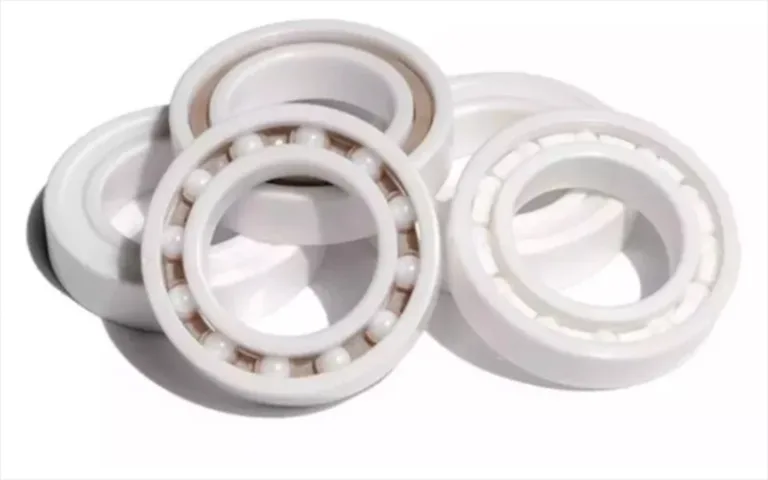
Importantly, zirconia offers relatively high fracture toughness and a thermal expansion coefficient closer to steel.
Typical positioning: specialized ceramic components and selected rolling-element research or applications.
Silicon Carbide
SiC
Furthermore, silicon carbide combines high hardness with wear resistance and corrosion resistance.
Typical applications: sealing components and pump-related sliding bearings.
Alumina
Al₂O₃
Additionally, alumina offers electrical insulation, corrosion resistance and relatively economical material options.
Typical applications: valves, pumps and grinding media.
Note: These descriptions summarize the material characteristics and application examples provided in the source document; actual performance varies with grade, processing route, component geometry and operating conditions.
3. Four Ceramic Materials: A Comparative Element-Structure Illustration
To help readers distinguish the four ceramic families, the following schematic uses their chemical formulas and representative element symbols. However, this illustration is a conceptual composition diagram, not an atomic-scale crystal structure model or a crystallographic unit cell.
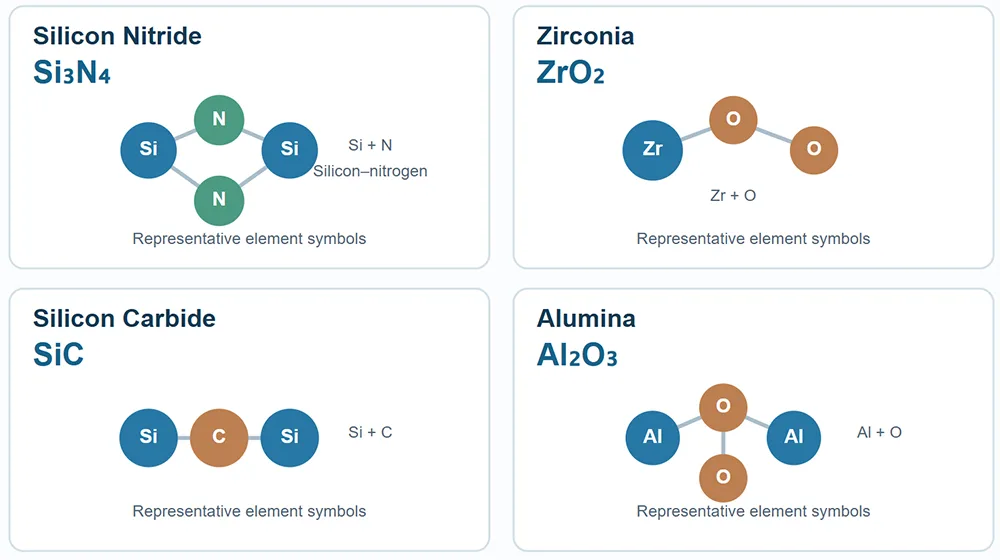
Diagram note: The circles and connecting lines only identify the constituent elements. They do not represent exact atom counts, bond angles, lattice positions, phase structures or crystal dimensions.
4. Bearing Balls Face Billions of Rolling Cycles, Not Just One Impact
Unlike a component that experiences only occasional impact, a bearing ball repeatedly travels across the bearing raceway during operation. Consequently, every rotation produces repeated contact stress within a very small contact region.
Over time, this repeated loading creates a rolling contact fatigue challenge. Therefore, engineers must evaluate how a material responds to accumulated stress, how cracks initiate and propagate, and how the component eventually fails.
In other words, a material that performs well during a single impact test does not automatically deliver the best rolling bearing life. Instead, fatigue behavior and defect sensitivity become central selection criteria.
5. Why Silicon Nitride Performs So Well in Ceramic Bearings
5.1 A Lightweight Material for High-Speed Applications
First, silicon nitride has a density of approximately 3.2 g/cm³, which is around 40% of the density of bearing steel. As a result, a silicon nitride ball can reduce the centrifugal loading associated with a rotating bearing element, which makes the material attractive for high-speed precision bearing designs.
5.2 Spalling as a Progressive Failure Mode
More importantly, the source document describes surface spalling as a major rolling contact failure mode for silicon nitride balls. Typically, a subsurface crack associated with an internal material defect gradually develops and eventually forms a small, often elliptical surface pit.
Consequently, the damage can develop progressively rather than appearing only as sudden catastrophic fragmentation. In some operating conditions, changes in vibration and noise may provide warning signals before a bearing reaches complete failure.
Nevertheless, spalling is still a serious bearing failure, and its detectability does not guarantee safe continued operation. Therefore, engineers must use appropriate condition monitoring, inspection intervals and replacement criteria.
5.3 Internal Defect Control Determines Real Performance
Equally important, silicon nitride quality can vary significantly even when two products carry the same material designation. For example, pores, inclusions, microstructural nonuniformity and other internal defects can influence crack initiation and rolling contact fatigue life.
Accordingly, the manufacturing route and quality-control process matter as much as the nominal chemical composition. The source document also notes that published comparative tests have found substantial fatigue-life differences among silicon nitride balls made using different processes.
Therefore, buyers should ask about manufacturing processes, material quality, internal defect inspection and rolling contact fatigue evidence instead of asking only whether a ball contains Si₃N₄.
6. Zirconia Has Higher Toughness, So Why Hasn’t It Become the Mainstream Bearing Ball?
Admittedly, zirconia has real material advantages that deserve attention. In particular, the source document identifies its higher fracture toughness compared with conventional silicon nitride, as well as a thermal expansion coefficient closer to steel.
For reference, the document gives a typical fracture toughness range of approximately 5-6 MPa·m1/2 for conventional silicon nitride. However, it does not provide a specific zirconia value, so a numerical toughness ratio would require grade-specific test data.
Furthermore, zirconia’s relatively high toughness can make it attractive in applications where resistance to crack propagation and impact-related damage matters. Nevertheless, bearing balls must withstand repeated rolling contact, and that requirement makes fatigue performance a separate and essential consideration.
6.1 Toughness Alone Cannot Predict Rolling Contact Fatigue Life
Although fracture toughness describes a material’s resistance to crack propagation under specified conditions, rolling contact fatigue involves repeated stress cycles, surface and subsurface conditions, lubrication, contact geometry and material defects. Therefore, a higher fracture toughness value alone cannot prove a longer bearing life.
By contrast, the source document identifies silicon nitride as the material with more established long-term bearing experience and a comparatively progressive spalling failure pattern. It also reports that zirconia and alumina may exhibit more fragmentation-type failure in bearing-related service, although actual behavior depends on material grade, component design and operating conditions.
6.2 Thermal Expansion Compatibility Is Only One Part of the Design
Similarly, zirconia’s thermal expansion coefficient being closer to steel can be beneficial in certain mixed-material assemblies. However, thermal compatibility does not replace the need to assess fatigue resistance, defect control, operating speed, lubrication and the required service life.
Ultimately, silicon nitride remains the established choice in many high-speed precision ceramic bearing applications because its overall performance and service history support that role. Meanwhile, zirconia remains a material worth evaluating for applications where its specific toughness and expansion characteristics offer a meaningful engineering advantage.
7. Silicon Nitride vs. Zirconia: Bearing Ball Material Comparison
For practical selection, engineers should compare the properties that influence the actual operating environment. The following table separates the information directly supported by the source document from broader design considerations.
| Comparison Factor | Silicon Nitride (Si₃N₄) | Zirconia (ZrO₂) |
|---|---|---|
| Density | Approximately 3.2 g/cm³; around 40% of bearing steel’s density. | A specific value is not supplied in the source document. |
| Fracture toughness | Typically around 5-6 MPa·m1/2 for conventional grades, according to the source. | Higher than conventional silicon nitride, according to the source; no numerical value is supplied. |
| Thermal expansion | The source does not give a numerical coefficient. | Closer to steel, according to the source. |
| Bearing application status | Established material for high-speed precision ceramic bearing balls. | Used less frequently in bearing balls; selected applications and research remain relevant. |
| Failure behavior described in source | Rolling contact fatigue can produce progressive surface spalling. | The source reports fragmentation-type failure in bearing-related service materials. |
| Key selection focus | Fatigue life, density, internal defects and manufacturing quality. | Toughness, thermal expansion compatibility and application-specific fatigue validation. |
Engineering note: This table is a qualitative comparison, not a substitute for grade-specific datasheets or standardized bearing fatigue tests. In particular, zirconia properties vary with composition, stabilizer content, phase structure and processing conditions.
8. Which Ceramic Ball Material Should Engineers Choose?
For high-speed precision bearing applications, silicon nitride is often the first material to evaluate because of its low density and established rolling-bearing application history. Conversely, zirconia deserves consideration when its toughness and thermal expansion characteristics match the specific design requirements.
Meanwhile, silicon carbide is worth evaluating for demanding wear, corrosion and sealing environments. Likewise, alumina can serve cost-conscious applications involving electrical insulation, corrosion resistance, valves, pumps and grinding media.
Before finalizing a material, engineers should review the complete operating conditions, including rotational speed, contact stress, temperature, lubrication, contamination, shaft and raceway materials, required service life and maintenance strategy. Ultimately, the best material is the one that meets the full application requirements with verified performance.
9. AOFE MIMCustom: Ceramic Ball Manufacturing and Quality Considerations
At AOFE MIMCustom, ceramic ball projects should begin with a clear understanding of the material, application and performance requirements. Rather than treating every ceramic ball as an interchangeable product, the engineering process should connect material selection with forming, sintering, finishing and inspection requirements.
For silicon nitride and zirconia ball projects, several manufacturing and quality considerations deserve particular attention:
Material Selection
First, select the ceramic grade according to operating speed, contact conditions, temperature, environment and required service life.
Forming and Sintering
Next, control the forming and densification process to support consistent material structure and dimensional quality.
Precision Finishing
Additionally, grinding and lapping requirements should match the specified ball diameter, roundness, surface finish and dimensional tolerance.
Quality Verification
Finally, define inspection requirements for dimensions, surface condition, material consistency and internal defects according to the project specification.
Why Manufacturing Quality Matters
Especially for silicon nitride bearing balls, internal defects can influence crack initiation and rolling contact fatigue performance. Consequently, a reliable supplier evaluation should consider process control and inspection evidence rather than relying on the material name alone.
For zirconia balls, buyers should also confirm the material grade and stabilizer system because these factors influence phase stability and mechanical properties. Therefore, a project-specific technical review helps prevent the selection of a material grade that does not match the actual operating conditions.
AOFE MIMCustom provides ceramic ball products and can discuss project requirements for material selection, dimensions, tolerances, finishing and inspection. However, specific production capabilities, available grades, tolerances, testing methods and certification status should be confirmed directly against the requirements of each project.
Discuss Your Ceramic Ball Project
Whether your application requires silicon nitride or zirconia ceramic balls, provide the operating conditions and technical drawing so the material and manufacturing requirements can be reviewed.
10. Frequently Asked Questions About Zirconia and Silicon Nitride Ceramic Balls
Q1. Is zirconia tougher than silicon nitride?
Yes, according to the source document, zirconia has higher fracture toughness than conventional silicon nitride, whose typical value is approximately 5–6 MPa·m1/2. However, the exact comparison depends on the material grade and test method.
Q2. Why are silicon nitride balls more common in high-speed precision bearings?
Primarily, silicon nitride combines a low density of approximately 3.2 g/cm³ with established use in high-speed precision bearings. Moreover, its rolling contact fatigue behavior and progressive spalling failure pattern contribute to its engineering acceptance.
Q3. Does higher fracture toughness guarantee longer bearing life?
No, because fracture toughness measures only one aspect of mechanical behavior. Instead, bearing life also depends on rolling contact fatigue, internal defects, surface quality, lubrication, contact stress and operating conditions.
Q4. What is spalling in a silicon nitride bearing ball?
Generally, spalling refers to localized surface material loss associated with fatigue crack development. In silicon nitride balls, a subsurface crack can gradually grow and form a small surface pit under repeated rolling contact.
Q5. Can zirconia ceramic balls be used in bearings?
Yes, zirconia can be considered for selected rolling-element applications. Nevertheless, engineers should validate its fatigue performance, material grade, dimensional quality and operating suitability rather than assuming that higher toughness automatically makes it a better bearing material.
Q6. What are the main applications of silicon carbide and alumina ceramic balls?
Typically, silicon carbide is associated with wear-resistant and corrosion-resistant components, including sealing and pump-related sliding applications. Meanwhile, alumina ceramic balls can serve valves, pumps and grinding media where insulation, corrosion resistance or cost considerations matter.
Q7. What should buyers check when purchasing silicon nitride ceramic balls?
Beyond confirming the Si₃N₄ material designation, buyers should request information about the manufacturing route, dimensional tolerances, surface finish, internal defect inspection and relevant performance test data. Additionally, they should verify that the ball specification matches the bearing design and operating conditions.
Q8. Can AOFE MIMCustom discuss custom ceramic ball requirements?
Yes, AOFE MIMCustom can discuss ceramic ball project requirements, including material selection, dimensions, tolerances, finishing and inspection expectations. For an accurate quotation and feasibility review, please provide the material preference, drawing, required quantity and application conditions.
Conclusion: Bearing Performance Depends on How a Material Fails
Ultimately, zirconia’s higher fracture toughness is a genuine advantage, but it does not independently determine bearing suitability. Instead, rolling contact fatigue performance, internal defect control, failure behavior and long-term application evidence explain why silicon nitride has become the established ceramic bearing ball material.
For engineers and purchasing teams, the most useful question is therefore not simply “Which ceramic is tougher?” Rather, the decisive question is “Which material and manufacturing quality can deliver reliable performance under the actual bearing conditions?”