Technical Guide | Silicon Nitride Bearings | Modern Industrial Components
Why Silicon Nitride Bearings Are the Best Choice for Modern Industrial Components
As modern industrial equipment operates at higher speeds, tighter tolerances, and increasingly demanding temperatures, bearing performance becomes a critical factor in machine reliability. Therefore, engineers often evaluate advanced ceramic bearings when conventional steel bearings cannot fully satisfy their requirements for rotational accuracy, wear resistance, or electrical insulation.
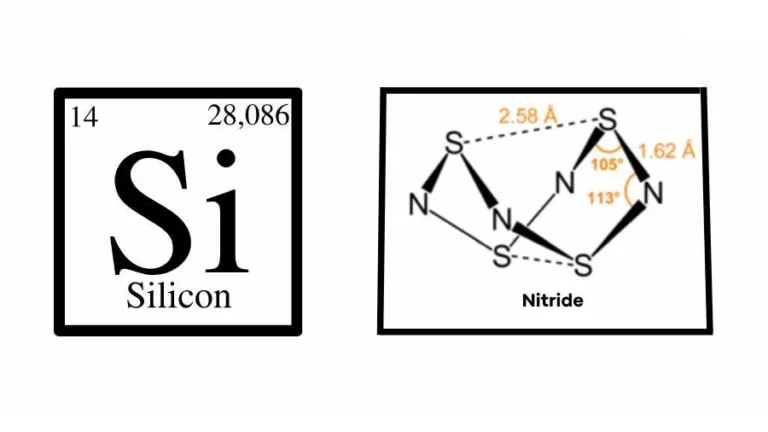
Among advanced ceramic materials, silicon nitride (Si₃N₄) stands out because it combines low density, high hardness, excellent mechanical strength, and strong resistance to wear. Furthermore, its thermal properties and electrical insulation characteristics make it suitable for selected high-speed motors, precision machinery, chemical pumps, and other demanding industrial systems.
Unlike conventional steel rolling elements, silicon nitride ceramic balls and rollers have a lower density, which can reduce centrifugal forces at high rotational speeds. Consequently, a properly designed hybrid ceramic bearing may offer advantages in selected applications that require high-speed operation and stable rolling contact.
This technical guide explains the material properties of silicon nitride bearings, examines their engineering advantages, reviews key industrial applications, and outlines the considerations that help manufacturers select an appropriate bearing solution.
Quick Answer: Why Choose Silicon Nitride Bearings?
Silicon nitride bearings are advanced ceramic bearing solutions that use Si₃N₄ rolling elements, ceramic raceways, or both, depending on the design. They offer a combination of low density, high hardness, wear resistance, thermal stability, electrical insulation, and good chemical resistance in suitable environments.
In practice, engineers often consider silicon nitride rolling elements for high-speed motors, precision machine tools, chemical pumps, and selected aerospace mechanisms. However, the final choice must account for bearing geometry, contact stress, lubrication, impact loads, operating temperature, and total system cost.
1. What Are Silicon Nitride Bearings?
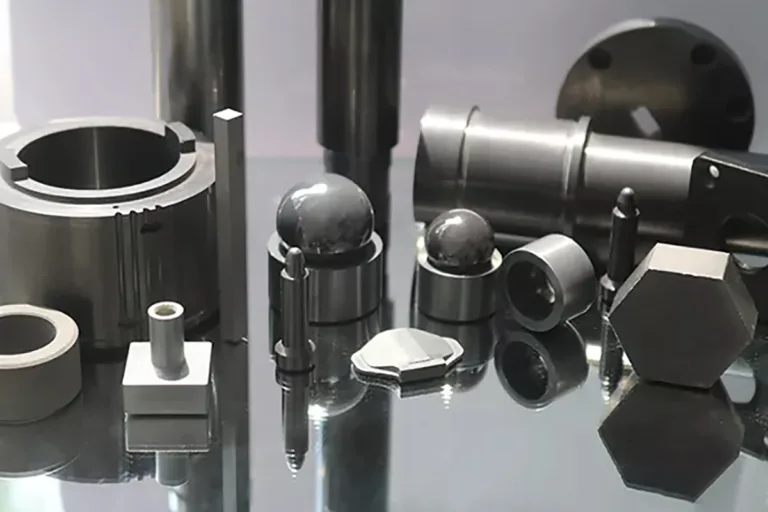
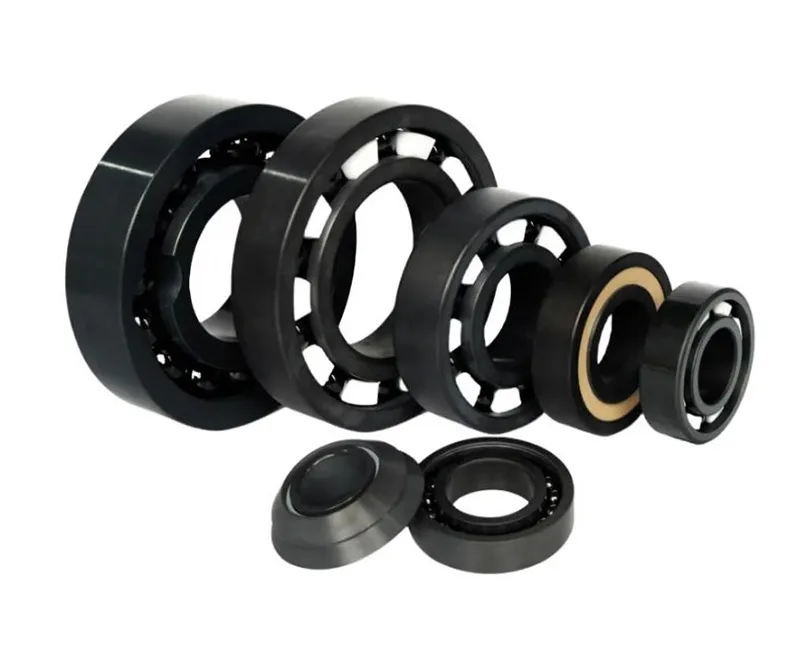
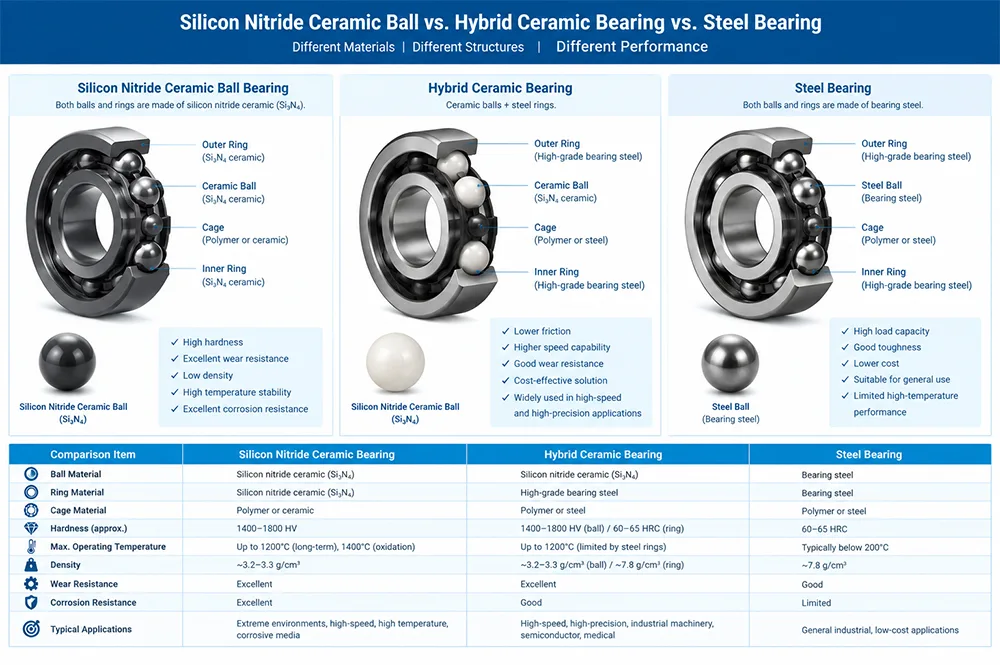
Fundamentally, a silicon nitride bearing is a mechanical bearing that incorporates silicon nitride ceramic components to support relative motion between machine parts. Depending on the configuration, the bearing may use Si₃N₄ balls or rollers with steel raceways, or it may use ceramic rolling elements together with ceramic raceways.
In industrial applications, hybrid ceramic bearings commonly combine silicon nitride rolling elements with steel inner and outer rings. This arrangement retains the structural characteristics of steel raceways while taking advantage of the lower density and wear-related properties of ceramic rolling elements.
By contrast, a full ceramic bearing uses ceramic materials for its primary bearing rings and rolling elements. Such designs may suit selected corrosive or electrically insulating environments, although their load capacity, speed limits, installation requirements, and overall performance depend on the specific design.
Main Components of a Silicon Nitride Bearing
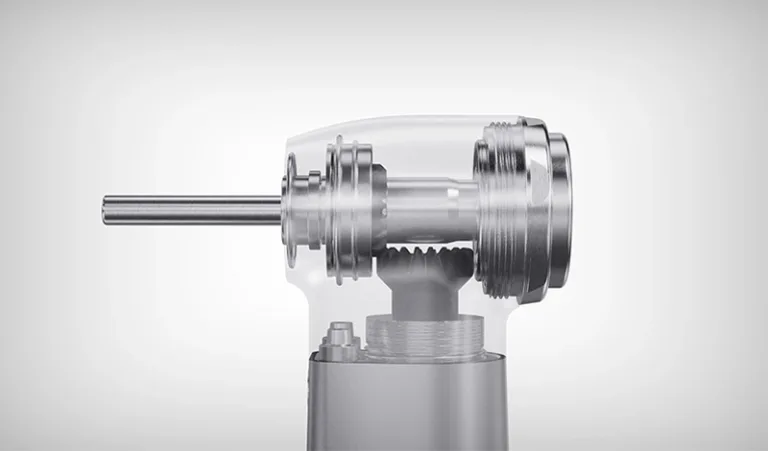
- Silicon nitride balls or rollers: These rolling elements transmit loads and support relative motion.
- Inner and outer rings: These components provide raceways and transfer bearing loads to the shaft and housing.
- Cage or separator: This component maintains rolling-element spacing and controls movement.
- Lubrication system: Grease, oil, or a validated alternative helps manage friction, heat, and wear.
- Seals or shields: These features help manage lubricant retention and contamination when required.
Because silicon nitride is a brittle ceramic rather than a ductile metal, designers must also control impact loading, contact stress, mounting force, and edge geometry. Therefore, material selection and bearing design must work together to achieve reliable operation.
2. Key Material Properties of Silicon Nitride Bearings
Silicon nitride is an advanced structural ceramic whose performance depends on its composition, sintering process, microstructure, and final machining quality. Consequently, engineers should review grade-specific material data rather than assume that every Si₃N₄ product has identical properties.
2.1 High Hardness and Excellent Wear Resistance
First, silicon nitride offers high hardness and strong resistance to many forms of abrasive and rolling-contact wear. As a result, properly designed Si₃N₄ rolling elements can maintain their surface condition under demanding operating conditions.
Moreover, the material’s hardness can help reduce certain wear mechanisms when engineers match the rolling elements with suitable raceways, surface finishes, and lubrication. Nevertheless, bearing life still depends on contamination, contact fatigue, alignment, and the quality of the complete assembly.
2.2 Low Density for High-Speed Operation
Another important advantage is silicon nitride’s relatively low density compared with bearing steel. Since lighter rolling elements generate lower centrifugal forces at a given rotational speed and geometry, hybrid ceramic bearings may reduce certain speed-related stresses.
Consequently, engineers often consider Si₃N₄ rolling elements for high-speed electric motors, machine-tool spindles, and precision rotating equipment. However, maximum operating speed still depends on bearing size, cage design, lubrication, preload, temperature, and the manufacturer’s specifications.
2.3 Thermal Stability and Heat Resistance
Furthermore, silicon nitride retains useful mechanical properties across a broad temperature range when engineers select a suitable grade and operating environment. Its thermal expansion behavior can also support dimensional stability in appropriately designed assemblies.
Nevertheless, ceramic heat resistance does not eliminate the temperature limits of the entire bearing. In practice, lubricants, cages, seals, steel raceways, and housing materials may impose lower operating limits than the ceramic rolling elements.
2.4 Chemical Stability and Corrosion Resistance
Silicon nitride generally provides good chemical stability in many industrial environments, making it a potential option for selected chemical pumps and fluid-handling mechanisms. In addition, its resistance to many corrosive substances can reduce some material-degradation risks compared with conventional bearing steels.
However, chemical compatibility depends on the specific acid, alkali, solvent, concentration, temperature, exposure duration, and ceramic composition. Hydrofluoric acid and other particularly aggressive chemical conditions require special evaluation; therefore, engineers should never assume universal chemical resistance.
2.5 Electrical Insulation and Nonmagnetic Behavior
Additionally, silicon nitride is electrically insulating under suitable conditions, unlike electrically conductive bearing steel. This characteristic can help designers address electrical isolation requirements in selected equipment.
Because silicon nitride is also nonferromagnetic, it may suit applications where ferromagnetic components create engineering concerns. Nevertheless, a complete bearing assembly may still contain magnetic steel rings, so engineers must distinguish a ceramic rolling element’s behavior from that of the entire bearing.
2.6 Strength, Stiffness, and Thermal Shock Resistance
In addition to hardness, silicon nitride can provide high flexural strength and good thermal-shock resistance when manufacturers use a suitable grade and processing route. Therefore, the material may support demanding precision applications involving temperature variation or high mechanical loads.
Even so, ceramics have limited plastic deformation before fracture. Accordingly, engineers should evaluate peak contact stress, impact events, subsurface defects, edge loading, and assembly misalignment instead of relying on strength values alone.
3. Silicon Nitride Bearings vs. Conventional Steel Bearings
Although silicon nitride offers several advantages, the correct comparison must consider the complete bearing design. The following table summarizes important engineering differences between silicon nitride rolling elements and conventional steel rolling elements.
| Performance Factor | Silicon Nitride Rolling Elements | Steel Rolling Elements | Engineering Implication |
|---|---|---|---|
| Density | Lower | Higher | Lower rolling-element mass may benefit high-speed designs. |
| Hardness | Generally very high | High, depending on bearing steel and heat treatment | Influences wear mechanisms and contact-surface behavior. |
| Impact tolerance | Brittle; sensitive to severe impact and local stress concentrations | Generally more ductile | Shock loading must be considered carefully in ceramic designs. |
| Electrical behavior | Electrically insulating under suitable conditions | Electrically conductive | Ceramic rolling elements may help reduce electrical-current damage in suitable hybrid designs. |
| Corrosion behavior | Resists many chemicals, subject to composition and environment | Depends on steel grade and protective measures | Useful in selected corrosive environments after compatibility testing. |
| Cost | Typically higher for precision ceramic rolling elements | Often more economical and widely available | Total cost should include maintenance, downtime, and service life. |
In many high-speed applications, hybrid bearings offer a practical balance between ceramic rolling-element benefits and steel raceway support. Conversely, conventional steel bearings may remain preferable when impact tolerance, initial cost, standard availability, or established maintenance procedures dominate the selection criteria.
4. Major Industrial Applications of Silicon Nitride Bearings
Silicon nitride bearings can serve multiple industries because their material characteristics address several recurring mechanical challenges. Nevertheless, each application requires a bearing configuration that matches the actual load, speed, environment, and reliability target.
4.1 High-Speed Electric Motors and Motor Spindles
First, high-speed electric motors and precision spindles benefit from bearing arrangements that control friction, vibration, and rotational accuracy. Because silicon nitride rolling elements have lower density than steel elements, they can reduce centrifugal forces under suitable operating conditions.
Furthermore, hybrid ceramic bearings may help address electrical-current damage in certain motor systems by electrically isolating the ceramic rolling elements from the raceways. However, the complete bearing configuration and electrical path determine the actual protection, so engineers should verify the design rather than assume that every hybrid bearing prevents current-related damage.
4.2 Precision Machine Tools and CNC Equipment
Second, CNC machine tools and high-speed spindles require consistent rotation, low vibration, and controlled thermal behavior. Consequently, engineers may specify silicon nitride rolling elements when spindle speed and precision requirements justify their additional cost.
Meanwhile, preload, bearing arrangement, lubrication, shaft balance, and housing stiffness continue to influence system performance. Therefore, a ceramic rolling element alone cannot compensate for poor spindle design or inadequate installation.
4.3 Chemical Pumps and Process Equipment
Third, chemical processing equipment may expose bearings to corrosive fluids, aggressive cleaning agents, or challenging temperature conditions. In selected designs, silicon nitride components can provide an advantage because the ceramic resists many chemical environments.
However, engineers must examine the complete pump construction, including shaft seals, raceways, cages, lubricants, and adjacent materials. Additionally, the ceramic grade must undergo compatibility assessment against the actual chemical composition, concentration, temperature, and exposure duration.
4.4 Petroleum, Gas, and Energy Equipment
Fourth, selected petroleum, gas, and energy systems use precision rotating components that operate under demanding loads, speeds, or environmental conditions. Silicon nitride bearings may be considered where their properties address a defined engineering need.
Nevertheless, actual suitability depends on pressure-related system design, temperature, contamination, lubrication, shock loads, and applicable industry requirements. Therefore, engineers should verify the bearing’s rated conditions and validate performance in the intended equipment rather than assume universal suitability for oilfield service.
4.5 Aerospace and Aviation Mechanisms
Fifth, selected aerospace mechanisms may require low rotating mass, dimensional stability, and reliable operation across changing temperatures. Accordingly, engineers may evaluate silicon nitride rolling elements in precision drives, selected control mechanisms, or other applications where ceramic properties offer a measurable benefit.
However, aerospace qualification requires rigorous consideration of fatigue, vibration, thermal cycling, contamination, reliability, and component traceability. Consequently, the final bearing must satisfy the specific equipment’s design and qualification requirements.
4.6 Electronic Manufacturing and Electrical Equipment
Sixth, electronic manufacturing equipment often relies on precision motion systems and electrically sensitive components. Since silicon nitride provides electrical insulation, ceramic rolling elements may help reduce certain electrical-current paths in appropriately designed hybrid bearings.
Additionally, selected ceramic bearing arrangements can support clean or controlled production environments when the complete design limits contamination. Nevertheless, lubrication, cage wear, particle generation, sealing, and maintenance procedures still require evaluation.
4.7 Electrical Discharge Machining and Precision Processing
Seventh, electrical discharge machining and other precision processing systems may use bearings in motion-control mechanisms, positioning stages, or auxiliary rotating assemblies. In suitable equipment, electrically insulating ceramic rolling elements can help address specific electrical concerns.
Even so, designers should identify the exact current path and failure mechanism before selecting a ceramic bearing. For example, a hybrid bearing may reduce current transfer through its rolling elements, but it does not automatically replace all required grounding, insulation, or electrical protection measures.
4.8 Metallurgy and High-Temperature Industrial Machinery
Eighth, metallurgical and other demanding industrial systems may contain rotating mechanisms exposed to heat, wear, or corrosive process environments. Silicon nitride’s thermal and mechanical characteristics can make it a candidate for selected bearing components.
However, the maximum usable temperature depends on the bearing’s complete construction, lubricant, cage, raceway materials, load, and operating speed. Therefore, engineers should verify the actual operating envelope instead of using the ceramic’s intrinsic heat resistance as the bearing’s temperature rating.
5. How Are Silicon Nitride Ceramic Bearings Manufactured?
Silicon nitride bearings require specialized ceramic processing because manufacturers must achieve controlled density, microstructure, dimensional accuracy, and surface quality. Consequently, material preparation, forming, sintering, grinding, and inspection all contribute to final bearing performance.
Step 1: Powder Preparation and Composition Control
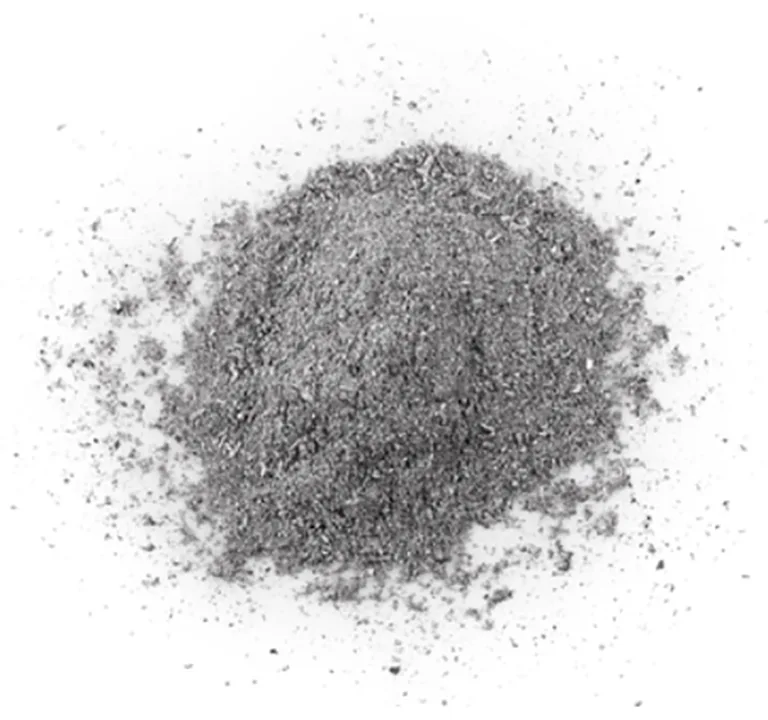
First, manufacturers select silicon nitride powder and control its particle characteristics, purity, and composition. In many formulations, sintering additives such as yttria (Y₂O₃) and alumina (Al₂O₃) help promote densification and influence the resulting microstructure.
Because powder quality and additive distribution affect the final ceramic, consistent batching and mixing provide an important foundation for manufacturing repeatability.
Step 2: Forming the Ceramic Preform
Next, manufacturers shape the prepared powder through a suitable forming method, such as pressing or another process appropriate to the component geometry. The resulting green body must maintain sufficient integrity for handling and subsequent processing.
Furthermore, forming uniformity helps control density variation and dimensional distortion during later stages. Therefore, manufacturers select the forming method according to the component size, geometry, production volume, and quality requirements.
Step 3: Sintering and Densification
Third, manufacturers sinter the preform using a process suited to the chosen silicon nitride composition. Depending on the formulation and production requirements, possible routes include gas-pressure sintering, hot pressing, and other established ceramic densification methods.
During this stage, temperature, pressure where applicable, atmosphere, and time influence densification and microstructure. Consequently, the process must maintain controlled conditions to achieve the intended material properties.
Step 4: Precision Grinding and Finishing
After sintering, manufacturers use specialized grinding and finishing methods to achieve the required dimensions and surface quality. Because silicon nitride is hard and brittle, machining often requires suitable diamond abrasives, carefully controlled processing parameters, and appropriate inspection.
In bearing applications, surface defects, sphericity, dimensional variation, and surface roughness can influence contact stress and rolling performance. Therefore, finishing quality remains critical even when the ceramic material has excellent intrinsic properties.
Step 5: Inspection and Performance Verification
Finally, manufacturers inspect the finished components against the applicable dimensional, surface, and material requirements. Depending on the product, inspection may include dimensional metrology, surface assessment, material verification, and checks for defects that could affect service performance.
Additionally, bearing manufacturers should validate the assembled product under representative operating conditions when the application requires it. This final step helps connect ceramic material quality with real-world bearing behavior.
6. Important Engineering Considerations Before Selecting Silicon Nitride Bearings
Despite their advantages, silicon nitride bearings require careful engineering evaluation. Therefore, buyers should review the following factors before replacing conventional bearings or specifying a new ceramic design.
| Selection Factor | Questions to Evaluate | Why It Matters |
|---|---|---|
| Load and contact stress | What radial, axial, shock, and transient loads will the bearing experience? | Excessive contact stress or impact can damage brittle ceramic components. |
| Rotational speed | What are the continuous and peak speeds? | Speed limits depend on bearing geometry, lubrication, cage design, and temperature. |
| Lubrication | Which lubricant and lubrication method suit the load, speed, and environment? | Lubrication affects friction, heat generation, wear, and service life. |
| Temperature | What temperatures will the complete bearing assembly experience? | Cages, seals, lubricants, and raceways may have lower limits than the ceramic elements. |
| Chemical exposure | Which chemicals, concentrations, and exposure durations apply? | Chemical resistance depends on the specific ceramic grade and complete assembly. |
| Installation and alignment | Are fits, preload, shaft alignment, and mounting procedures appropriate? | Incorrect installation can introduce damaging stresses or reduce service life. |
| Total cost | Will the expected benefits justify the purchase and integration costs? | A complete lifecycle assessment provides a more useful comparison than unit price alone. |
Ultimately, the most suitable bearing is the one that meets the system’s verified requirements at an acceptable lifecycle cost. In some applications, silicon nitride provides a clear advantage; in others, a conventional steel or hybrid design may offer the better balance.
7. AOFE MIMCustom: Precision Manufacturing and Component Development
For industrial equipment manufacturers, selecting a suitable ceramic component involves more than choosing a material. Instead, the project may require coordination between component geometry, material properties, manufacturing feasibility, dimensional tolerances, and final inspection.
AOFE MIMCustom can be presented as a potential manufacturing contact for precision component development, metal injection molding (MIM), ceramic injection molding (CIM), and tooling-related projects, subject to confirmation of the company’s actual service capabilities for the required component.
When evaluating a manufacturing partner for silicon nitride bearing components, buyers should confirm the supplier’s experience with the specific ceramic material, forming and sintering processes, precision grinding, dimensional inspection, and quality documentation. Additionally, buyers should verify whether the supplier manufactures complete bearings, individual ceramic rolling elements, or other precision ceramic parts, because these capabilities are not interchangeable.
What Information Should You Provide for a Technical Inquiry?
- Component drawings or a 3D CAD model.
- Required material grade and applicable technical specifications.
- Bearing dimensions, tolerances, and surface-finish requirements.
- Operating speed, radial and axial loads, and temperature range.
- Chemical exposure, lubrication conditions, and expected service life.
- Prototype quantities, annual demand, and production schedule.
- Required inspection reports, traceability, and other quality documentation.
By providing these details at the beginning of a project, buyers can help the engineering team assess feasibility, identify potential manufacturing constraints, and clarify the verification work required before production.
Discuss Your Precision Component Project
Share your drawings, material requirements, operating conditions, and target production quantities to start a technical discussion with AOFE MIMCustom.
8. Frequently Asked Questions About Silicon Nitride Bearings
Q1. What are the main advantages of silicon nitride bearings?
Primarily, silicon nitride bearings offer low rolling-element density, high hardness, good wear resistance, electrical insulation, and useful thermal stability. Moreover, their chemical resistance can benefit selected industrial environments. However, actual performance depends on bearing design, material grade, lubrication, and operating conditions.
Q2. Why are silicon nitride bearings suitable for high-speed applications?
Because silicon nitride rolling elements have lower density than steel rolling elements, they can generate lower centrifugal forces at a given speed and geometry. Consequently, a suitable hybrid bearing may support high-speed operation. Nevertheless, the bearing’s rated speed also depends on lubrication, cage design, preload, heat generation, and other mechanical factors.
Q3. Are silicon nitride bearings completely corrosion-proof?
No. Silicon nitride resists many chemical environments, but no universal corrosion-resistance claim should replace material compatibility testing. Therefore, engineers must evaluate the exact ceramic grade, chemical composition, concentration, temperature, and exposure duration.
Q4. Can silicon nitride bearings run without lubrication?
Certain specialized designs may operate under reduced-lubrication conditions, but silicon nitride construction alone does not eliminate friction or wear. Accordingly, engineers should validate the selected bearing under its actual load, speed, temperature, and service-life requirements before changing the lubrication system.
Q5. What is the difference between hybrid and full ceramic bearings?
A hybrid ceramic bearing typically combines ceramic rolling elements with steel raceways. In contrast, a full ceramic bearing uses ceramic materials for its primary rings and rolling elements. Therefore, the two designs differ in structural characteristics, corrosion behavior, electrical properties, installation requirements, and potential operating limits.
Q6. Which industries commonly evaluate silicon nitride bearings?
Engineers may evaluate silicon nitride bearings for high-speed motors, CNC machine tools, chemical pumps, selected petroleum and energy equipment, aerospace mechanisms, electronic manufacturing systems, electrical discharge machining, and selected metallurgical machinery. However, every application requires verification against its actual operating conditions.
Q7. Why does silicon nitride require specialized grinding?
Since silicon nitride combines high hardness with brittle fracture behavior, conventional metal-machining methods may not produce the required surface quality efficiently. Therefore, manufacturers commonly use suitable diamond grinding and finishing processes with carefully controlled parameters to achieve the specified dimensions and surface condition.
Q8. Are silicon nitride bearings better than steel bearings?
Not in every application. Silicon nitride may provide advantages in high-speed, electrically sensitive, or selected corrosive environments, whereas steel bearings often offer greater ductility, broad availability, and lower initial cost. Consequently, engineers should compare validated performance and lifecycle cost before making a final selection.
Q9. What information is required to customize silicon nitride bearing components?
First, provide a component drawing or CAD model, required material grade, dimensional tolerances, and expected quantity. Additionally, identify operating speed, loads, temperature, chemical exposure, lubrication, and inspection requirements so the supplier can assess manufacturing feasibility and testing needs.
Conclusion: When Should You Choose Silicon Nitride Bearings?
Overall, silicon nitride bearings provide a compelling option for modern industrial components when low rolling-element mass, wear resistance, electrical insulation, thermal behavior, or chemical compatibility addresses a defined engineering challenge. In particular, high-speed motors, precision machine tools, and selected chemical-processing systems may benefit from an appropriately designed ceramic bearing arrangement.
Nevertheless, material advantages do not guarantee better performance in every operating environment. Therefore, engineers should evaluate load capacity, impact risk, lubrication, mounting conditions, chemical exposure, manufacturing quality, and lifecycle cost before selecting a bearing.
By combining grade-specific material data, precision manufacturing, suitable bearing geometry, and application-specific testing, equipment manufacturers can determine whether silicon nitride bearings offer a meaningful performance advantage over conventional alternatives.
Key Takeaways
- Silicon nitride (Si₃N₄) is an advanced structural ceramic used in selected hybrid and full ceramic bearing designs.
- Its low density, high hardness, wear resistance, electrical insulation, and thermal properties can benefit demanding industrial applications.
- Potential applications include high-speed motors, machine tools, chemical pumps, aerospace mechanisms, and precision processing equipment.
- Specialized forming, sintering, grinding, and inspection processes help manufacturers achieve the required ceramic component quality.
- Final bearing selection must account for loads, speed, lubrication, impact, temperature, installation, and lifecycle cost.