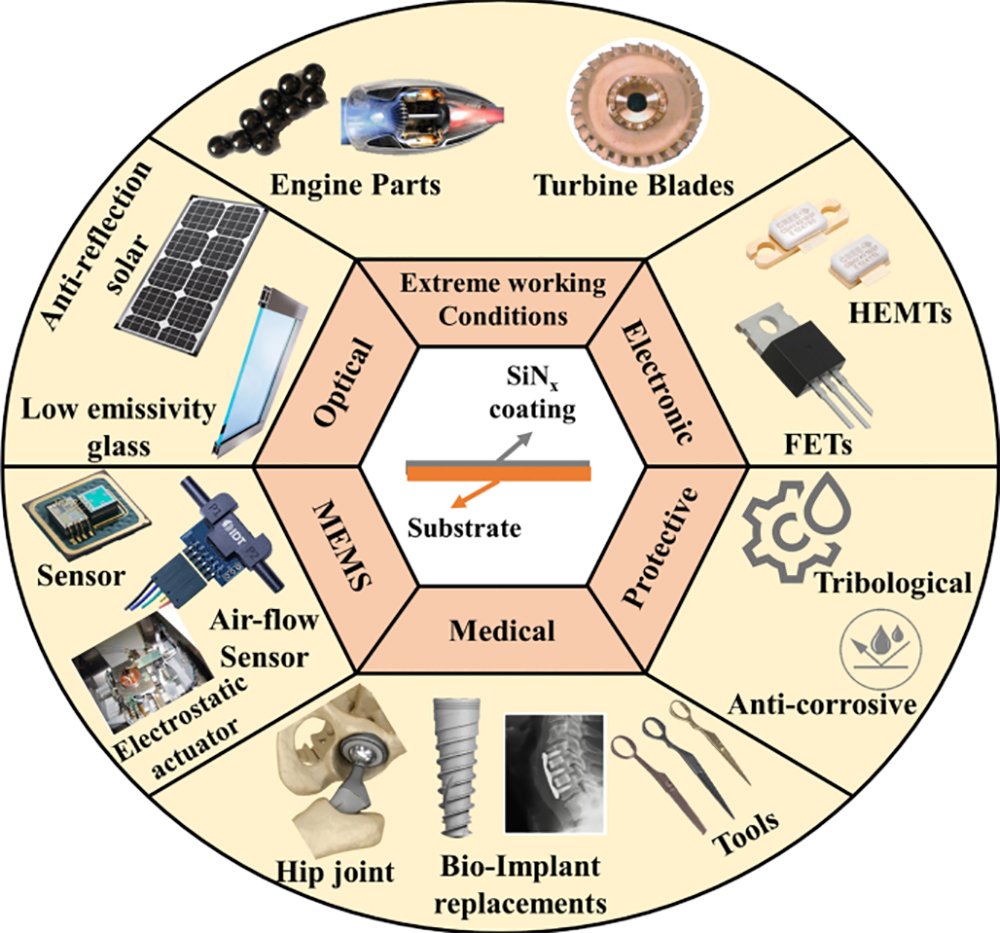
Where is silicon nitride mainly applied?
A comprehensive technical analysis of Si₃N₄ crystal structures, physical characteristics, industrial applications, and advanced manufacturing processes.
Fundamentally, material scientists recognize silicon nitride (Si₃N₄) as a premier covalent compound delivering exceptional performance across extreme industrial environments.
Consequently, this detailed article investigates its unique atomic architecture, remarkable physical properties, diverse applications, and complex manufacturing methodologies.
Crystal Structure of Silicon Nitride
Structurally, this advanced ceramic manifests in two primary crystalline phases alongside an amorphous variant.
Specifically, heating powdered Si₃N₄ at 1200°C for over four hours yields the low-temperature hexagonal α-phase.
Conversely, maintaining the material at 1450°C for two hours produces the high-temperature cubic β-phase.
Visually, pure specimens appear completely colorless, whereas trace impurities typically render commercial grades gray, grayish-brown, or black.
Below, we illustrate the fundamental tetrahedral network governing these crystalline formations.
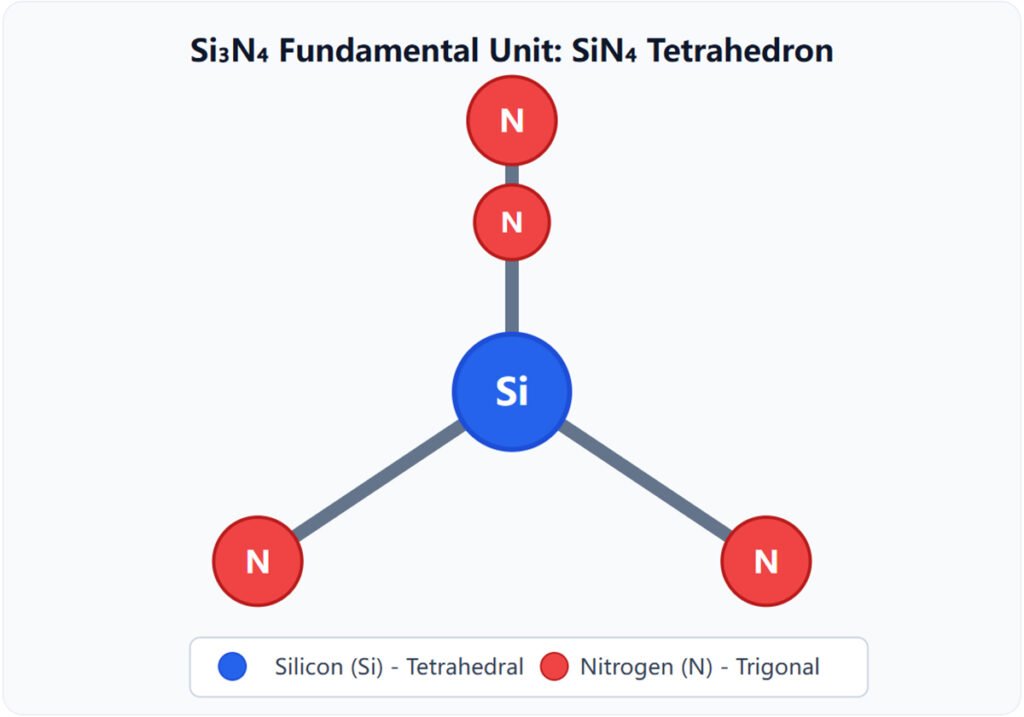
Figure 1: Fundamental SiN₄ tetrahedral building block
Fundamental Characteristics and Properties
Physically, the compound boasts a relative molecular mass of 140.29 and a specific gravity of 3.44.
Mechanically, engineers measure an impressive compressive strength reaching 4413.2 MPa, accompanied by a flexural strength of 78.456 MPa.
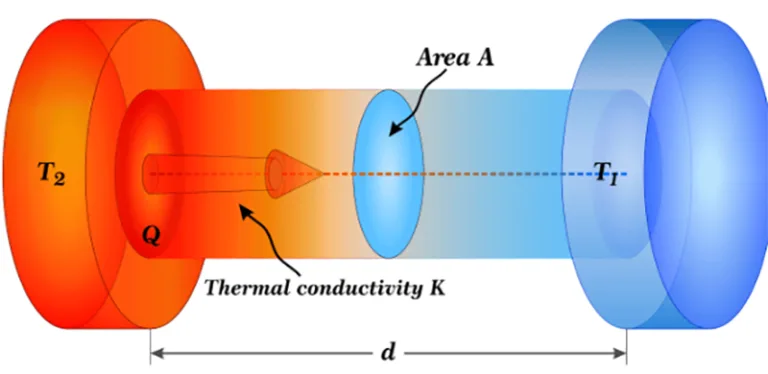
Thermally, the material exhibits a thermal conductivity ranging between 17.44 and 23.26 W/(m·°C) from 0 to 1000°C.
Furthermore, its linear expansion coefficient remains remarkably low at (3.0-3.2)×10⁻⁶/°C, while the specific heat capacity spans 0.15 to 0.31 kJ/(kg·°C).
Comparatively, silicon nitride demonstrates slightly lower heat resistance but significantly higher toughness than silicon carbide, thereby restricting standard operational temperatures to the 1200°C-1300°C range.
Chemically, the ceramic resists water, dilute acids, and alkalis, although concentrated strong acids hydrolyze it into ammonium salts and silica.
Additionally, hydrofluoric acid dissolves the matrix completely, while molten strong alkalis transform it into silicates and ammonia.
Moreover, temperatures exceeding 600°C trigger reactions with transition metal oxides, lead oxide, zinc oxide, and tin dioxide, releasing nitrogen oxides.
Ultimately, atmospheric pressure decomposes the solid into nitrogen and silicon between 1850°C and 1900°C.
Primary Industrial Applications
Industrially, manufacturers exploit its high strength, elastic modulus, wear resistance, and thermal shock stability across multiple sectors.
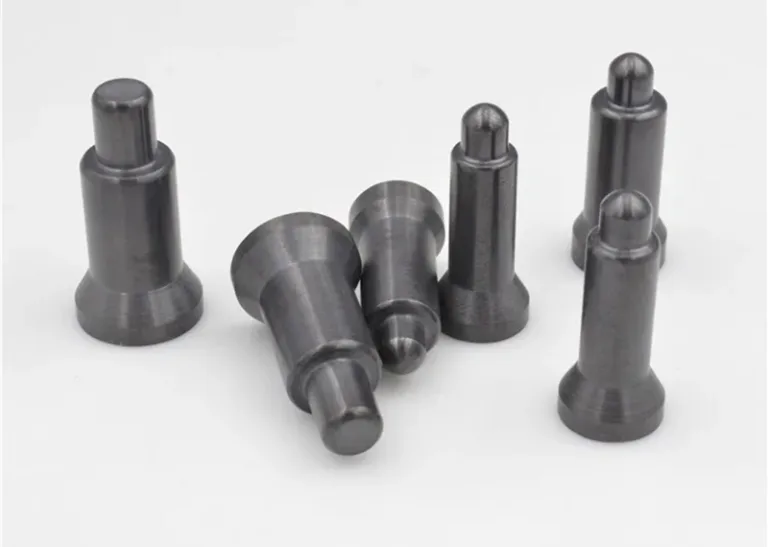
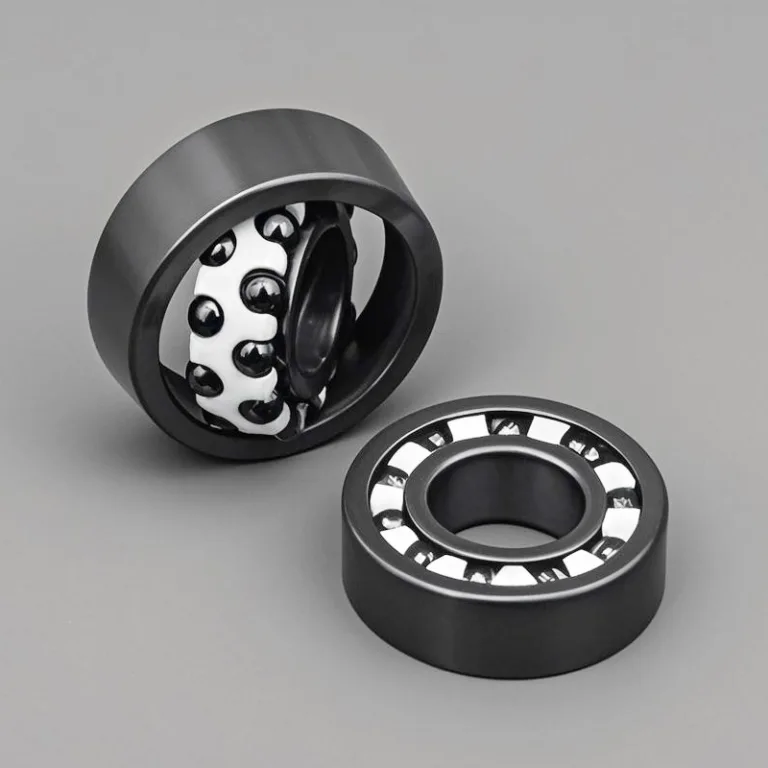
Specifically, automotive engineers integrate sintered bodies into gas turbines, high-temperature engines, and critical diesel components.
Meanwhile, toolmakers rely heavily on the ceramic to fabricate durable metal cutting inserts.
Additionally, metallurgical plants utilize the material to produce crucibles, nozzles, and specialized precision ceramics.
Within microelectronics, technicians deposit silicon nitride films as highly effective electrical insulation layers.
Furthermore, materials scientists deploy Si₃N₄ whiskers to reinforce alumina, silicon carbide, glass-ceramic, and aluminum-based composites.
Notably, nano-sized variants offer exceptional chemical stability and superior dielectric properties, featuring high dielectric constants and strength.
Consequently, surface modification techniques involving sintering aid coatings improve slurry fluidity, thereby maximizing final sintered density and performance stability.
Advanced Preparation and Synthesis Techniques
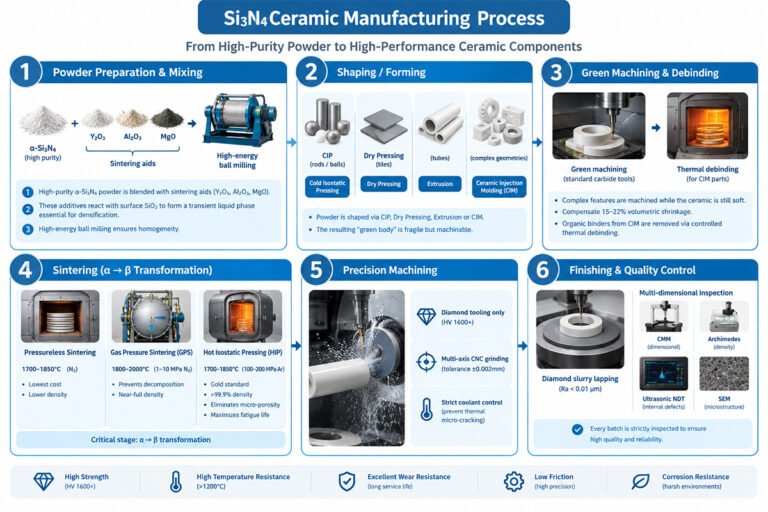
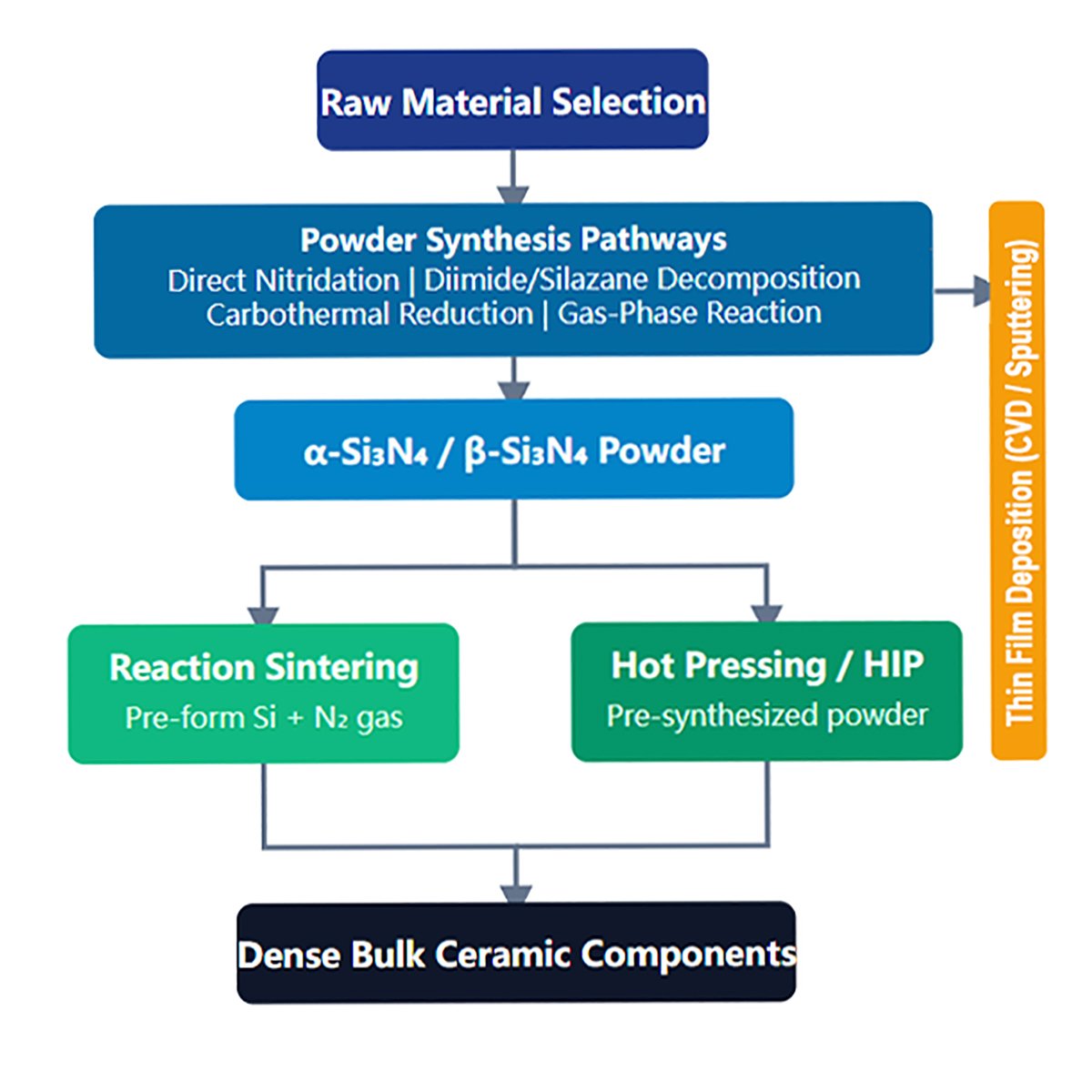
Initially, chemical engineers synthesize pure powder by directly nitriding elemental silicon with nitrogen or ammonia at 1500°C.
Alternatively, researchers thermally decompose silicon diimide to yield highly pure α-phase variants.
Similarly, thermal decomposition of silazane precursors provides another viable powder production route.
Moreover, metallurgists reduce high-purity silica using carbon within a continuous nitrogen flow.
Additionally, gas-phase synthesis methods react high-purity silicon tetrachloride with ammonia at elevated temperatures.
Following powder synthesis, fabricators shape components via reaction sintering, where they pre-form silicon powder and sinter it in a nitrogen atmosphere to simultaneously form and densify the ceramic.
Conversely, production teams utilize hot pressing to consolidate pre-synthesized powder into fully dense structural parts.
Finally, technicians form thin insulating films using chemical vapor deposition from silicon chloride-ammonia-hydrogen systems or via radio frequency sputtering.
Below, we map out this comprehensive manufacturing workflow.
Frequently Asked Questions
What are the primary crystalline phases of silicon nitride?
Material scientists identify two main crystalline phases: the low-temperature hexagonal α-phase and the high-temperature cubic β-phase, alongside an amorphous variant.
How does silicon nitride compare to silicon carbide in terms of toughness?
Comparatively, silicon nitride demonstrates slightly lower heat resistance but significantly higher toughness than silicon carbide, making it ideal for lower temperature applications up to 1300°C.