Strategic Metal Resources
Nickel-based alloys and their special properties
Furthermore, these strategic materials enable modern engineering breakthroughs by delivering unmatched strength, corrosion resistance, and thermal stability across the most demanding industrial environments worldwide.
Understanding Nickel as a Strategic Resource
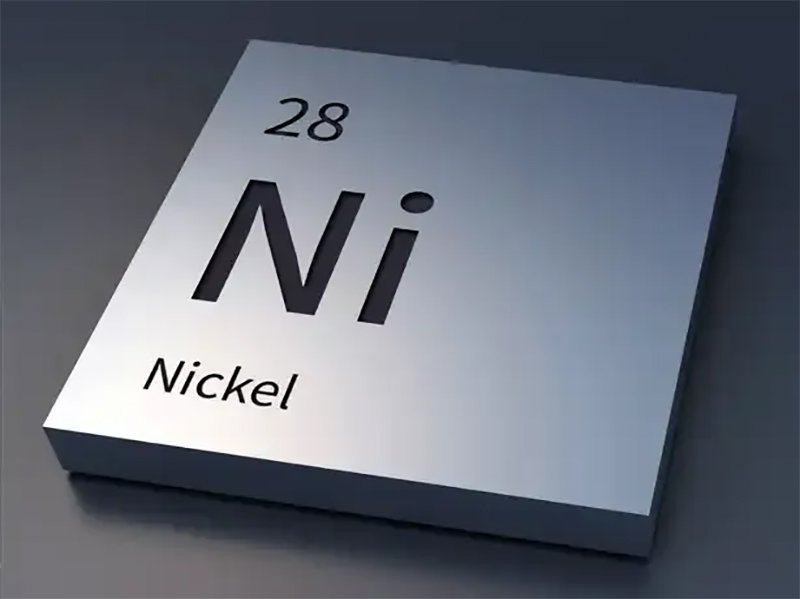
Initially, engineers recognize nickel as a ferromagnetic metallic element possessing exceptional corrosion resistance, high-temperature stability, and remarkable ductility. Consequently, industries utilize this versatile metal extensively across metallurgy, chemical processing, and aerospace manufacturing sectors. Moreover, it serves as the foundational raw material for producing stainless steels, high-temperature superalloys, and power battery systems. Therefore, governments classify nickel as a critical strategic resource essential for national security and technological advancement.
Defining Nickel-Based Superalloys
Specifically, nickel-based alloys represent a specialized class of materials that maintain high strength and oxidation resistance within the 650–1000°C temperature range. Additionally, metallurgists categorize them into heat-resistant, corrosion-resistant, wear-resistant, precision, and shape memory variants based on primary functional requirements. Furthermore, these superalloys outperform iron and cobalt-based counterparts when operating above 540°C in aggressive environments. Hence, designers select specific alloy compositions tailored to withstand extreme thermal cycling, corrosive media, and sustained mechanical loads simultaneously.
Exceptional Performance Characteristics
⑴ Superior Mechanical & Chemical Properties
Primarily, these alloys sustain extraordinary tensile strength at elevated temperatures while resisting creep deformation and fatigue failure over extended service periods. Simultaneously, they exhibit outstanding oxidation resistance alongside excellent plasticity and weldability for complex fabrication. Thus, components endure prolonged exposure to conditions that would rapidly destroy conventional metals.
⑵ Complex Multi-Element Alloying Chemistry
Notably, formulators incorporate more than ten distinct alloying elements to achieve targeted performance characteristics for specific environments. For example, chromium enhances oxidation resistance, while molybdenum and tungsten provide solid-solution strengthening against creep. Meanwhile, aluminum and titanium additions enable precipitation hardening through gamma-prime phase formation, dramatically increasing yield strength.
⑶ Extreme Operating Environment Capability
Consequently, engineers deploy nickel superalloys in the harshest conditions imaginable, including jet engine combustion chambers experiencing extreme pressure and temperature fluctuations. Additionally, nuclear reactors, deep-sea oil extraction systems, and marine propulsion units rely on these materials for structural integrity. Thereby, they ensure operational safety and longevity where component failure would be catastrophic.
Advanced Production Methodologies
Precision Vacuum Melting Techniques
Fundamentally, manufacturers employ Vacuum Induction Melting (VIM) to produce ultra-pure molten metal with minimal gas content and trace impurities. Moreover, this controlled atmosphere prevents oxidation of reactive elements like aluminum and titanium that are difficult to manage in air. Subsequently, many premium grades undergo secondary remelting via Vacuum Arc Remelting (VAR) or Electroslag Remelting (ESR) to further refine microstructure and eliminate segregation defects.
Thermomechanical Deformation Processing
Afterwards, forging and rolling operations break down coarse as-cast dendritic structures to optimize grain morphology and mechanical anisotropy. However, alloys with poor hot workability require specialized approaches such as extrusion billet preparation followed by rolling. Alternatively, technicians encapsulate ingots in mild steel or stainless steel sheaths before direct extrusion to prevent surface cracking during deformation.
Investment Casting & Heat Treatment Protocols
Meanwhile, foundries use vacuum investment casting to produce near-net-shape components with intricate geometries directly from master alloy melts. Following forming, both wrought and cast products undergo sophisticated multi-stage heat treatments including solution annealing, intermediate stabilization, and aging cycles. Ultimately, these thermal processes develop the desired precipitate distribution and grain structure necessary to achieve specified mechanical properties for mission-critical applications.
Frequently Asked Questions
What distinguishes nickel-based alloys from iron or cobalt-based superalloys?+
Nickel-based alloys offer the highest strength-to-weight ratio and superior creep resistance at temperatures between 650°C and 1000°C. Furthermore, they maintain excellent oxidation and corrosion resistance in extreme environments where iron and cobalt alternatives would degrade rapidly.
Why is vacuum induction melting essential for producing nickel superalloys?+
Vacuum induction melting removes harmful gases and impurities while preventing oxidation of reactive elements like aluminum and titanium. Consequently, this process ensures precise chemical composition control and superior hot workability required for critical aerospace components.
How do heat treatments enhance nickel alloy performance?+
Solution treatment dissolves secondary phases to create a uniform matrix, while aging precipitates strengthening gamma-prime particles. Additionally, intermediate processing optimizes grain structure, collectively delivering the required mechanical properties for high-stress applications.
Source Premium Nickel-Based Superalloys Today
Ultimately, selecting the right superalloy grade and manufacturing process determines project success in extreme environments. Contact our metallurgical experts for custom alloy specifications and technical consultation.