Advanced Ceramics | Bearing Engineering
Three Common Misconceptions About Ceramic Bearings
Ceramic bearings offer important advantages in selected industrial applications, including low rolling-element mass, high hardness, wear resistance, and the ability to operate in certain corrosive or electrically sensitive environments. However, these advantages do not automatically make every ceramic bearing better than every steel alternative.
In practice, bearing performance depends on material composition, manufacturing quality, operating speed, applied load, lubrication, contamination control, and installation procedures. Therefore, engineers should understand three common misconceptions before specifying ceramic bearings: that every ceramic bearing lasts longer than steel, that ceramic materials tolerate any temperature, and that hard ceramic components can withstand severe impact loads.
Key Engineering Takeaway
Ceramic bearings can outperform steel bearings when their material properties match the operating conditions. Nevertheless, contamination, thermal gradients, excessive loads, impact, and incorrect installation can still cause premature failure. Consequently, engineers should select a bearing system according to its complete design rather than relying on material labels or general service-life claims.
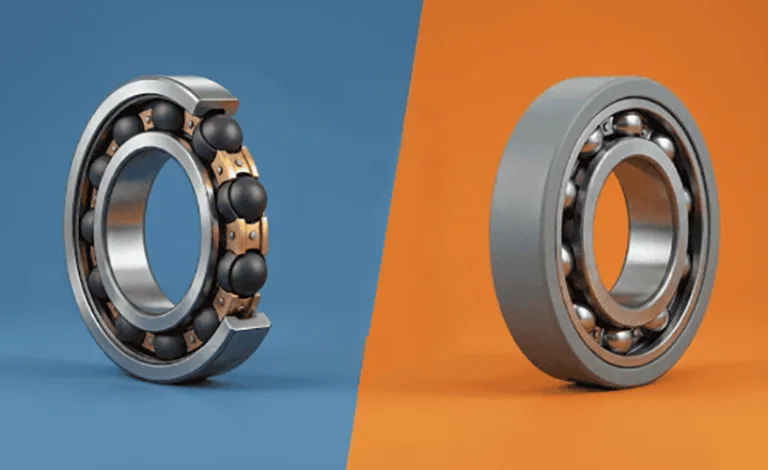
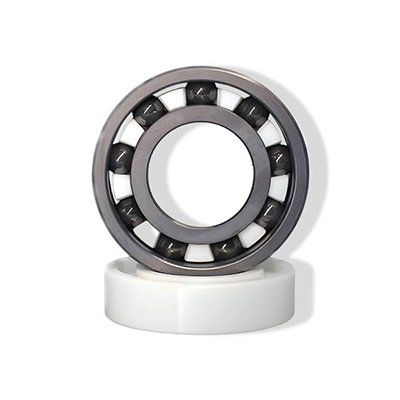
Throughout this guide, the term ceramic bearing covers both full ceramic bearings, which use ceramic rolling elements and ceramic rings, and hybrid ceramic bearings, which combine ceramic rolling elements with metallic rings. This distinction matters because the two designs have different load, temperature, corrosion, and installation characteristics.
1. What Materials Make Up Ceramic Bearings?
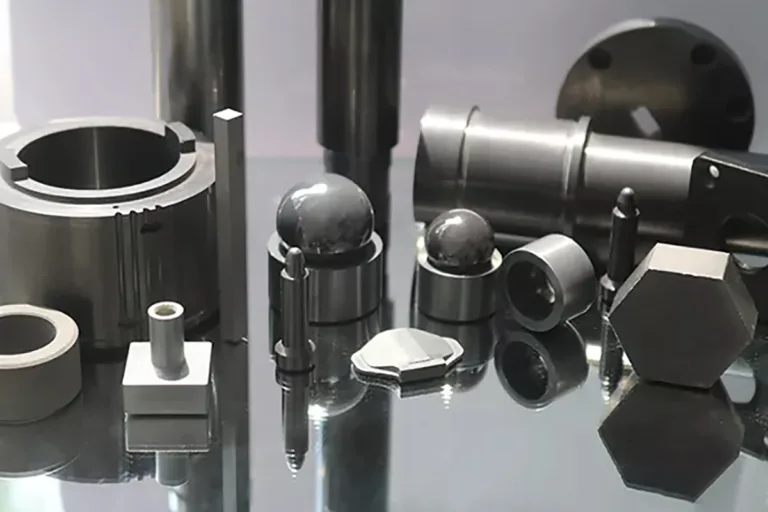
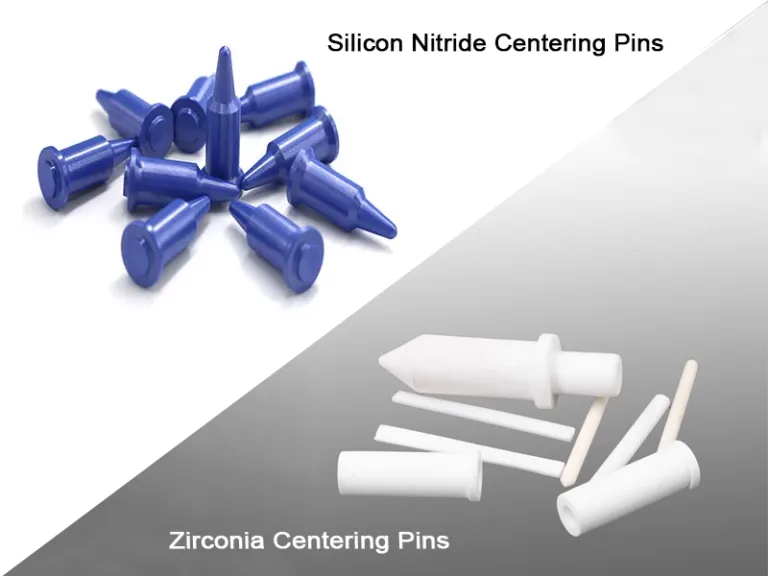
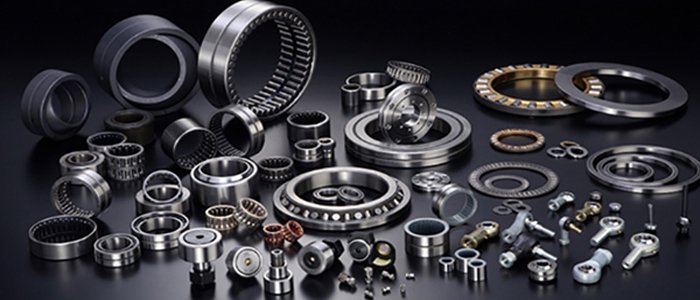
First, ceramic bearings use engineering ceramics as rolling elements, bearing rings, or both. Among the most common materials, silicon nitride (Si₃N₄), zirconia (ZrO₂), alumina (Al₂O₃), and silicon carbide (SiC) offer different combinations of hardness, density, fracture toughness, thermal behavior, and chemical resistance.
Meanwhile, hybrid bearings typically use silicon nitride balls with steel inner and outer rings. By contrast, full ceramic bearings use ceramic balls and ceramic rings, although manufacturers may select different ceramic grades for the balls and rings depending on the design.
1.1 Comparison of Common Bearing Ceramic Materials
The following table summarizes representative material characteristics. However, actual values depend on composition, additives, processing, microstructure, and testing methods; therefore, engineers should obtain grade-specific data before finalizing a design.
| Ceramic Material | Density | Main Properties | Potential Limitations | Typical Selection Focus |
|---|---|---|---|---|
| Silicon Nitride (Si₃N₄) | Approx. 3.2-3.3 g/cm³ | Low density, high hardness, good fracture toughness for a ceramic, low thermal expansion, and useful thermal-shock resistance. | Higher material and processing costs; performance depends on grade, load, and temperature. | Hybrid bearings, high-speed rotating equipment, precision machinery, and selected demanding environments. |
| Zirconia (ZrO₂) | Approx. 5.6-6.1 g/cm³ | High fracture toughness for a ceramic, good wear resistance, and relatively low thermal conductivity. | Higher density than silicon nitride; thermal expansion and thermal-shock behavior require attention. | Selected corrosion-resistant, wear-resistant, and precision ceramic components. |
| Alumina (Al₂O₃) | Approx. 3.7-4.0 g/cm³ | High hardness, good electrical insulation, and broad chemical stability in many environments. | Generally lower fracture toughness than silicon nitride; impact and thermal gradients need careful control. | Electrical insulation, general technical ceramic components, and selected low-impact bearing applications. |
| Silicon Carbide (SiC) | Approx. 3.1-3.2 g/cm³ | Very high hardness, strong wear resistance, high thermal conductivity, and good performance in selected high-temperature environments. | Can be brittle under impact; electrical behavior varies by grade. | High-wear components, selected chemical equipment, and demanding thermal applications. |
Notably, ceramic hardness alone does not determine bearing life. Instead, fracture toughness, surface quality, internal defects, contact stress, lubrication, and raceway geometry all influence rolling-contact reliability.
1.2 Hybrid Bearings Versus Full Ceramic Bearings
| Bearing Design | Construction | Main Considerations |
|---|---|---|
| Hybrid Ceramic Bearing | Ceramic balls with steel bearing rings. | Lower rolling-element mass and potentially high-speed performance; steel rings remain vulnerable to corrosion and temperature-related limitations. |
| Full Ceramic Bearing | Ceramic balls and ceramic rings. | Can offer greater corrosion and electrical isolation benefits when the selected grades suit the environment; impact, fitting, and fracture risks require careful evaluation. |
| Steel Bearing | Steel rolling elements and steel rings. | Established technology, good toughness, and broad availability; corrosion protection and lubrication may be necessary. |
Ultimately, buyers should distinguish the rolling-element material from the ring, cage, seal, and lubricant materials. Otherwise, an apparently suitable ceramic ball may still operate within a bearing assembly whose other components limit temperature, corrosion resistance, or service life.
2. Misconception One: Ceramic Bearings Always Last Longer Than Steel Bearings
At first glance, ceramic bearings seem likely to outlast steel bearings because many engineering ceramics offer high hardness, wear resistance, and useful corrosion resistance. However, these characteristics do not guarantee a longer service life under every operating condition.
In some applications, ceramic rolling elements can reduce wear or improve performance under specific speed, lubrication, or environmental conditions. Nevertheless, contamination, poor installation, excessive contact stress, and ceramic fracture can shorten bearing life even when the material itself has excellent hardness.
2.1 Contamination: A Small Particle Can Cause Significant Damage
First, contamination can enter a bearing during manufacturing, assembly, transport, installation, or operation. For example, hard dust, grinding debris, metal particles, or other abrasive contaminants can damage rolling surfaces and accelerate wear.
During rolling contact, a particle trapped between a ball and a raceway may create a local indentation, scratch, or stress concentration. Consequently, the damaged region can generate vibration, noise, increased friction, and progressive surface deterioration.
Unlike a simple cosmetic defect, contamination-related damage can change the local contact conditions and encourage further deterioration. Therefore, manufacturers and users should control cleanliness throughout the production, assembly, storage, and maintenance stages.
Practical Contamination-Control Measures
- First, keep grinding and other particle-generating operations separate from bearing assembly areas whenever practical.
- Additionally, use appropriate cleaning procedures and controlled handling methods before assembly.
- Meanwhile, store components in their original protective packaging until installation.
- Furthermore, inspect seals and shields for damage, incorrect fit, and signs of wear.
- Finally, use a lubricant and filtration strategy suitable for the operating environment.
Importantly, a cleanroom can reduce certain contamination risks, but every ceramic bearing does not automatically require sterile manufacturing conditions. Instead, the appropriate cleanliness level depends on bearing precision, application sensitivity, and the manufacturer’s process controls.
2.2 Seal Failure Can Allow Contaminants to Accumulate
In sealed bearing systems, the seal helps keep contaminants out and retain lubricant inside the bearing. However, a damaged seal, incorrect installation, unsuitable material, or excessive operating temperature can reduce its effectiveness.
Moreover, a seal that no longer functions correctly may allow abrasive particles or moisture to enter the bearing. In some designs, trapped contaminants can continue circulating and repeatedly damage the rolling surfaces.
For this reason, maintenance teams should inspect seals, lubricants, and bearing surfaces together rather than assuming that ceramic rolling elements eliminate contamination-related failure.
2.3 Does a Ceramic Bearing Last Two or Three Times Longer?
Although some ceramic bearing applications achieve longer service life than comparable steel designs, a universal twofold or threefold improvement cannot be guaranteed. In reality, the result depends on bearing geometry, steel raceway quality, ceramic grade, operating speed, load, lubrication, contamination, and maintenance.
Consequently, engineers should compare measured performance under equivalent operating conditions. When reliability matters, a controlled endurance test or application-specific service history provides stronger evidence than a general lifespan multiplier.
3. Misconception Two: Ceramic Bearings Can Withstand Any Temperature
Ceramic materials often tolerate higher temperatures than many conventional bearing steels or polymer components. Nevertheless, a bearing’s practical temperature limit depends on the ceramic grade, bearing rings, cage, seals, lubricant, fit, applied load, and temperature distribution.
Therefore, engineers should not determine a bearing’s maximum working temperature from the ceramic material alone. In particular, a ceramic ball may tolerate a temperature that exceeds the safe operating range of its steel rings, cage, seals, or lubricant.
3.1 Understanding Thermal Shock
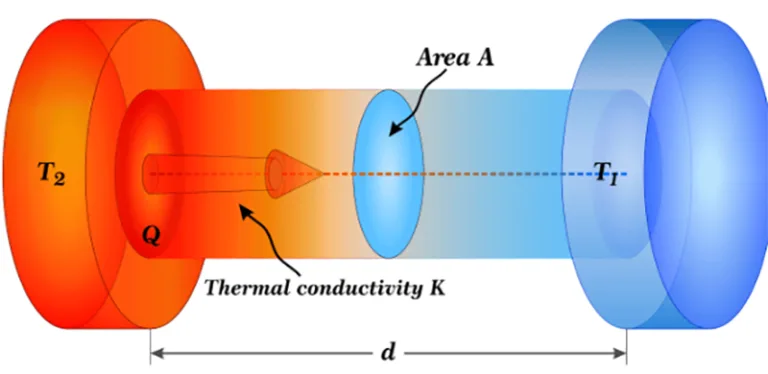
Thermal shock occurs when rapid or uneven temperature changes create temperature gradients within a component. Because different regions expand or contract at different rates, the resulting thermal stresses can exceed the material’s local strength.
In brittle ceramics, excessive tensile stress can initiate cracks or extend existing defects. Consequently, severe thermal gradients may damage a ball or ring even when the average temperature remains below the material’s nominal temperature capability.
By contrast, a carefully designed system with gradual heating, controlled cooling, and suitable clearances can reduce thermal stress. Additionally, the material’s thermal expansion coefficient, thermal conductivity, geometry, and fracture toughness all influence its response.
Warning Signs of Thermal or Mechanical Damage
During inspection, technicians may find cracks, unusual wear tracks, surface flaking, discoloration on metallic rings or cages, lubricant degradation, or abnormal vibration. However, these signs do not identify a single failure mechanism on their own; therefore, a complete inspection should distinguish thermal damage, lubrication failure, contamination, overload, and installation errors.
3.2 Comparing Thermal Characteristics of Common Ceramic Materials
| Material | Thermal Conductivity | Thermal Expansion | Engineering Implication |
|---|---|---|---|
| Silicon Nitride | Often approx. 15-30 W/(m·K), depending on grade | Low, often approx. 2.8-3.3 × 10⁻⁶/K | Low expansion and useful fracture toughness can support thermal-shock resistance. |
| Zirconia | Often approx. 2-3 W/(m·K) | Relatively high, often approx. 9-11 × 10⁻⁶/K | Low thermal conductivity and higher expansion require careful thermal-gradient assessment. |
| Alumina | Often approx. 20-35 W/(m·K) for selected grades | Often approx. 7-8.5 × 10⁻⁶/K | Thermal response depends on purity, grade, geometry, and heating rate. |
| Silicon Carbide | Often approx. 80-200 W/(m·K), depending on grade | Often approx. 4-5 × 10⁻⁶/K | High thermal conductivity can help distribute heat, although geometry and fracture behavior still matter. |
These figures are indicative material ranges rather than bearing temperature ratings. Accordingly, engineers should consult the bearing manufacturer’s specifications and assess the entire assembly before approving elevated-temperature operation.
3.3 Why Maximum Temperature Claims Need Context
Silicon nitride and zirconia can operate in different thermal environments, but neither material has one universal maximum bearing temperature. For example, a ceramic component may withstand a high furnace temperature while a complete lubricated bearing cannot operate continuously at the same temperature.
Similarly, an application that experiences a brief temperature peak may present different risks from one that maintains a high temperature for thousands of hours. Therefore, engineers should define continuous temperature, peak temperature, heating and cooling rates, load, speed, atmosphere, and lubrication requirements separately.
Ultimately, a suitable thermal design combines the correct ceramic grade with appropriate rings, cage materials, lubricant, clearance, and installation tolerances. By addressing these factors together, engineers can reduce thermal stress and avoid premature bearing failure.
4. Misconception Three: Ceramic Bearings Can Withstand Severe Impact Loads
Ceramic rolling elements offer high hardness and strong compressive performance, but these properties do not make them immune to impact. Unlike many metallic materials, engineering ceramics generally tolerate less plastic deformation before fracture.
Consequently, a sudden overload, an installation impact, or a concentrated contact force can initiate cracks in a ceramic ball or ring. In addition, defects, surface damage, and local stress concentrations may reduce the load needed to trigger fracture.
4.1 Impact Loading and Contact Damage
During normal bearing operation, rolling elements transmit load through small contact regions between the balls and raceways. However, a sudden impact can create a much higher local stress than the bearing experiences under steady operating conditions.
In steel bearings, severe contact loading may create a permanent indentation known as a Brinell-type dent. Ceramic materials respond differently because they have limited plastic deformation; depending on the stress state and material quality, they may develop local cracking, chipping, or fracture instead.
Once a contact surface becomes damaged, the resulting irregularity can increase vibration and noise. Furthermore, repeated contact with the damaged area may accelerate wear and create additional stress concentrations.
4.2 Incorrect Installation Can Damage Ceramic Bearings
One common installation error occurs when a technician strikes a bearing directly with a hammer. Similarly, applying mounting force through the wrong ring can transmit excessive force through the rolling elements and damage the contact surfaces.
Instead, installers should use the specified mounting tools and follow the bearing manufacturer’s procedures. When an interference fit requires mounting force, the load should act on the appropriate ring rather than pass unnecessarily through the balls.
Recommended Installation Practices
- First, inspect shafts, housings, shoulders, and mating surfaces before installation.
- Additionally, use suitable bearing-fitting tools and follow the specified mounting method.
- Meanwhile, keep the bearing clean and avoid direct impact on ceramic balls or rings.
- Furthermore, verify the required fits, clearances, alignment, and lubrication.
- Finally, check vibration, noise, and running behavior after installation.
4.3 Choosing Between Ceramic, Hybrid, and Steel Bearings
For high-impact applications, steel bearings often provide a useful combination of toughness, plastic deformation capacity, and established design practice. However, ceramic or hybrid bearings may offer advantages where corrosion, electrical isolation, reduced rolling-element mass, or particular operating conditions matter more than impact tolerance.
In hybrid bearings, steel rings can provide a degree of metallic toughness, but the ceramic balls remain vulnerable to damaging impacts and concentrated loads. Therefore, the presence of steel rings does not remove the need to evaluate shock loading.
Ultimately, the best bearing depends on the load spectrum rather than the maximum static load alone. Engineers should evaluate steady load, peak load, shock severity, rotational speed, mounting conditions, and the consequences of sudden failure before selecting a bearing design.
5. Ceramic Bearing Manufacturing Process
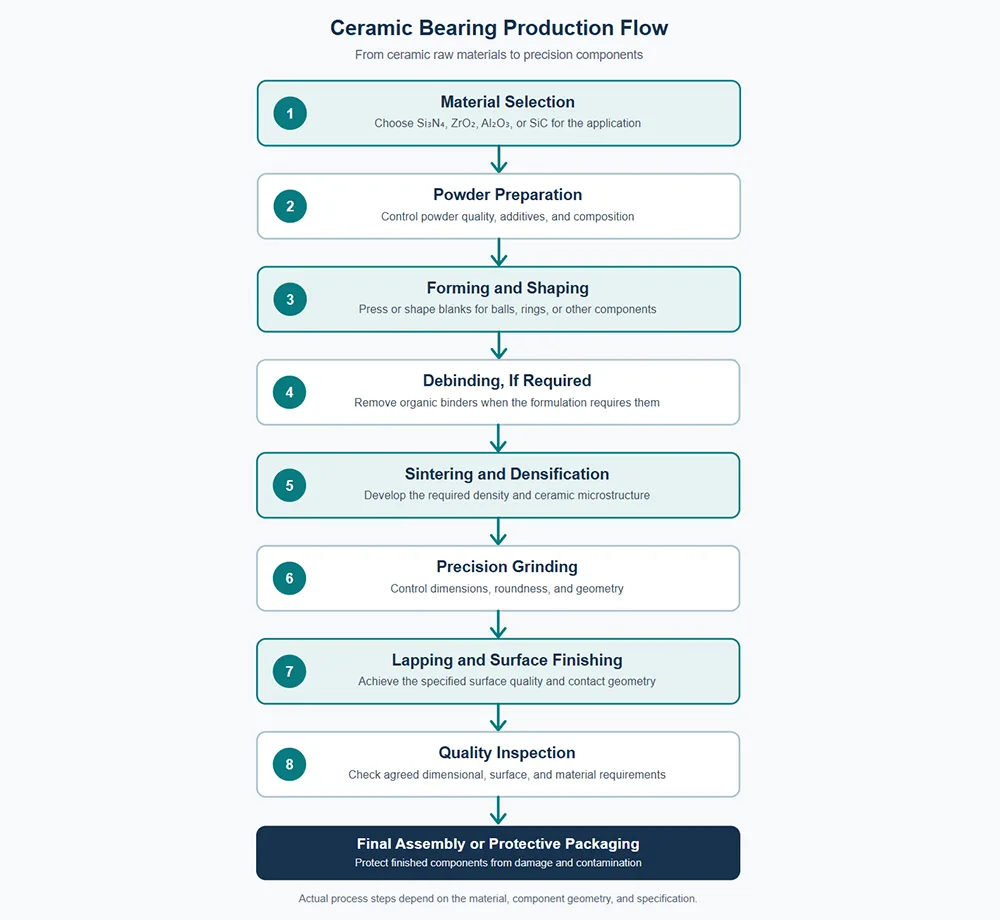
Reliable ceramic bearing performance begins with material preparation and continues through forming, sintering, precision grinding, lapping, and inspection. Because small defects can influence rolling-contact performance, manufacturers must control both the ceramic microstructure and the final geometry.
Although the exact process varies by ceramic composition and bearing design, the following SVG diagram illustrates a representative manufacturing route for ceramic rolling elements and rings. Manufacturers may use different forming or sintering methods depending on the material, dimensions, and required tolerances.
5.1 Material Selection and Powder Preparation
First, manufacturers select a ceramic grade according to the intended application, required properties, and production constraints. Additionally, they control powder quality, additives, and composition to support consistent forming and sintering.
Because different ceramics require different processing conditions, manufacturers must tailor the preparation route to silicon nitride, zirconia, alumina, or silicon carbide. Consequently, a process suitable for one material cannot automatically be transferred to another without validation.
5.2 Forming, Debinding, and Sintering
Next, manufacturers form the prepared ceramic powder into blanks using a suitable method, such as pressing or another material-specific shaping technique. When the formulation contains organic binders, a controlled debinding step removes them before densification.
Subsequently, sintering develops the ceramic’s density and microstructure. For example, silicon nitride may use gas-pressure sintering or another suitable densification route, while other ceramics require processing conditions matched to their chemistry and phase stability.
5.3 Precision Grinding and Lapping
After sintering, precision grinding establishes the required component geometry and removes material to achieve dimensional accuracy. Meanwhile, lapping can improve the rolling surface and help meet the finish requirements of precision bearing applications.
Because ceramic materials are hard and brittle, manufacturers must control machining conditions to avoid excessive surface damage. Therefore, grinding quality, surface inspection, and dimensional measurement form important parts of the production process.
5.4 Inspection and Clean Packaging
Finally, manufacturers inspect the characteristics defined in the product specification, which may include diameter, roundness, surface finish, visual defects, and relevant material properties. For demanding applications, buyers should also clarify the required inspection records, material documentation, and traceability expectations.
Ultimately, consistent production quality reduces avoidable risks, but it cannot compensate for incorrect bearing selection, unsuitable lubrication, excessive impact, or uncontrolled contamination during operation.
6. Main Applications of Ceramic Bearings and Their Components
Ceramic bearings serve industries that need a specific combination of low rolling-element mass, wear resistance, corrosion resistance, electrical characteristics, or high-speed capability. However, the correct material and bearing construction vary with the equipment’s load, temperature, chemical environment, and maintenance requirements.
6.1 Machine Tools and Precision Machinery
In precision spindles and rotating systems, hybrid ceramic bearings can reduce rolling-element mass and centrifugal loading. Additionally, suitable bearing designs can support high-speed operation when engineers control lubrication, preload, and heat generation.
Typical components: Spindle bearings, precision shafts, high-speed bearing assemblies, and motion-control mechanisms.
6.2 Chemical Processing and Fluid Handling
In compatible chemical environments, ceramic bearings can help reduce reliance on metallic rolling elements that may corrode. Nevertheless, engineers should evaluate the rings, cage, seals, lubricant, and all wetted components as part of the complete system.
Typical components: Pump bearings, chemical-processing equipment, selected valve assemblies, and precision fluid-handling systems.
6.3 Electrical Equipment and Electric Motors
In selected electric motor and generator applications, ceramic rolling elements may help reduce electrical current passage through the rolling contact. However, engineers should confirm the material’s electrical properties and assess the complete bearing arrangement before relying on electrical isolation.
Typical components: Hybrid motor bearings, generator bearings, precision rotating assemblies, and selected electrically sensitive systems.
6.4 Marine and Water Treatment
In selected water-contact or marine-related applications, suitable ceramic materials can offer advantages because they do not undergo conventional iron-based rusting. Nevertheless, the full assembly must still withstand the actual fluid chemistry, deposits, mechanical loads, and operating conditions.
Typical components: Selected pump bearings, water-handling equipment, precision rotating parts, and corrosion-sensitive assemblies.
6.5 Robotics and Industrial Automation
In motion-control systems, reduced rolling-element mass can support dynamic performance in suitable bearing designs. Additionally, ceramic components may suit selected environments where wear, electrical behavior, or chemical exposure influences equipment reliability.
Typical components: Precision joints, servo-system bearings, motion-control assemblies, and selected high-speed mechanisms.
6.6 Semiconductor and High-Purity Equipment
In selected precision manufacturing systems, ceramic components may help reduce certain metallic contamination risks. However, clean-process applications require careful control of surface quality, particle generation, cleaning, material compatibility, and the entire equipment design.
Typical components: Precision positioning mechanisms, selected vacuum-system assemblies, and specialized manufacturing equipment.
6.7 Food and Pharmaceutical Processing
In suitable equipment designs, ceramic bearing components may offer useful wear or chemical-resistance characteristics. Nevertheless, food-contact and pharmaceutical applications require verification of material suitability, cleaning compatibility, lubricant requirements, and applicable regulatory obligations.
Typical components: Selected conveyor bearings, precision rotating assemblies, and compatible process-equipment components.
6.8 Aerospace and Specialized Rotating Equipment
In selected aerospace or specialized rotating systems, ceramic rolling elements can offer low mass and useful high-speed characteristics. However, these applications require rigorous qualification of fatigue behavior, temperature limits, reliability, lubrication, and the consequences of component failure.
Typical components: Qualified high-speed bearing assemblies and specialized precision rotating equipment.
How Should Engineers Match Bearings to Applications?
First, define the load spectrum, rotational speed, operating temperature, chemical exposure, and contamination risks. Next, determine whether the application requires a hybrid or full ceramic bearing, then verify the suitability of the rings, rolling elements, cage, seals, and lubricant.
Additionally, evaluate installation methods, shaft and housing fits, alignment, lubrication intervals, and maintenance access. Finally, establish inspection criteria and acceptance limits before production approval.
As a result, the final bearing specification reflects the real operating environment rather than relying on a general claim that ceramic materials always provide superior performance.
7. AOFE MIMCustom: Custom Technical Ceramic Component Support
For industrial buyers, selecting a ceramic bearing material is only one part of the engineering process. Instead, a successful component project begins with a clear understanding of the operating environment, geometry, material requirements, manufacturing feasibility, and inspection expectations.
AOFE MIMCustom can support custom ceramic component inquiries by discussing material selection, component geometry, technical drawings, prototype coordination, and production feasibility. Additionally, buyers can provide their operating conditions and acceptance criteria to help establish the scope of a quotation.
Material Selection Discussion
First, share the operating temperature, chemical medium, load, speed, and required electrical characteristics. Accordingly, the project team can discuss whether silicon nitride or another technical ceramic merits further evaluation.
Custom Geometry and Drawings
Additionally, provide component drawings, dimensions, tolerances, surface-finish requirements, and assembly details. This information helps clarify the manufacturing and inspection requirements before production.
Prototype and Production Planning
Meanwhile, early technical discussions can help define sample requirements, expected quantities, finishing needs, and the appropriate next steps for evaluating a proposed manufacturing route.
Inspection Requirements
Finally, buyers can identify the inspection records, material information, dimensional checks, and traceability expectations required for project approval, subject to the supplier’s available capabilities.
Discuss Your Ceramic Component Requirements
To help evaluate your project, prepare the component drawing, target quantity, operating temperature, load conditions, chemical environment, and required dimensional tolerances. Furthermore, indicate whether your application needs ceramic balls, ceramic rings, hybrid bearing components, or another custom ceramic part.
With these details, AOFE MIMCustom can review the inquiry and discuss the available next steps for your custom ceramic component project.
8. Frequently Asked Questions About Ceramic Bearings
Q1. What are the main types of ceramic bearings?
Generally, ceramic bearings fall into two main design categories: hybrid bearings and full ceramic bearings. Hybrid designs combine ceramic rolling elements with metallic rings, while full ceramic designs use ceramic rolling elements and ceramic rings. Additionally, manufacturers select materials such as silicon nitride, zirconia, alumina, or silicon carbide according to the application.
Q2. Do ceramic bearings last longer than steel bearings?
In suitable applications, ceramic bearings may outlast comparable steel bearings because of their wear resistance, lower rolling-element mass, or environmental compatibility. However, service life also depends on contamination, lubrication, load, installation, and bearing design. Therefore, engineers should validate any expected life improvement under equivalent operating conditions.
Q3. Why does contamination cause ceramic bearing failure?
First, hard particles can enter the rolling contact between a ceramic ball and its raceway. Consequently, the particles may create scratches, local damage, or stress concentrations that increase vibration and accelerate wear. For this reason, proper cleaning, sealing, lubrication, and storage remain essential.
Q4. Can ceramic bearings withstand thermal shock?
Certain ceramic materials, particularly suitable silicon nitride grades, offer useful thermal-shock resistance. Nevertheless, rapid temperature changes can create internal stress and initiate cracks if the resulting stress exceeds the material’s local strength. Therefore, engineers should assess temperature gradients, heating rates, geometry, and material properties together.
Q5. What is the maximum operating temperature of a ceramic bearing?
There is no single maximum temperature for all ceramic bearings. Instead, the practical limit depends on the ceramic grade, rings, cage, seals, lubricant, load, speed, and thermal conditions. Accordingly, buyers should consult the complete bearing specification rather than rely on the temperature capability of the ceramic material alone.
Q6. Are ceramic bearings suitable for high-impact applications?
Although ceramic bearings offer high hardness, most engineering ceramics have limited tolerance for severe impact compared with many metals. Consequently, applications involving sudden shocks, frequent collisions, or uncontrolled overloads require careful evaluation. In many such cases, steel bearings may offer a more appropriate balance of toughness and cost.
Q7. Are hybrid ceramic bearings better than full ceramic bearings?
Neither design is universally better. Hybrid bearings combine ceramic rolling elements with steel rings, which can support high-speed performance in suitable applications. By contrast, full ceramic bearings can offer broader corrosion and electrical-isolation advantages when their ceramic grades suit the environment. Ultimately, load, temperature, chemical exposure, impact risk, and cost determine the better choice.
Q8. How should technicians install ceramic bearings?
First, inspect the shaft, housing, and bearing before assembly. Next, use the specified mounting tools and apply fitting forces to the appropriate ring. Additionally, avoid striking the ceramic rolling elements directly and follow the manufacturer’s requirements for fits, alignment, clearance, and lubrication.
Q9. Which ceramic material is best for high-speed bearings?
Silicon nitride is a common choice for high-speed ceramic rolling elements because its relatively low density can reduce centrifugal loading. However, the complete bearing’s speed capability also depends on geometry, cage design, lubrication, preload, temperature, and the manufacturer’s specifications. Therefore, engineers should select a qualified bearing design rather than material alone.
Q10. What information should buyers provide when requesting custom ceramic components?
To begin, provide the component drawing, dimensions, tolerance requirements, material preference, and expected quantity. Additionally, describe the operating speed, loads, temperature range, chemical exposure, lubrication, contamination risks, and impact conditions. As a result, the supplier can assess manufacturing feasibility and clarify the relevant inspection requirements.
9. Conclusion: Choose Ceramic Bearings According to Operating Conditions
In summary, ceramic bearings offer valuable advantages, but three misconceptions can lead to incorrect material selection. First, ceramic bearings do not always last longer than steel bearings because contamination, lubrication, installation, and operating loads strongly influence service life.
Second, ceramic materials do not provide unlimited temperature capability. Instead, thermal shock, temperature gradients, cage materials, seals, and lubrication can determine the practical operating limit of the complete bearing.
Third, high hardness does not guarantee impact resistance. Because engineering ceramics have limited plastic deformation capacity, sudden overloads and incorrect installation can cause cracks, chipping, or fracture.
Therefore, engineers should select ceramic bearings according to material properties, bearing construction, manufacturing quality, load conditions, temperature, contamination risk, and maintenance requirements. By validating these factors before purchase, companies can make more reliable decisions and reduce avoidable equipment downtime.
Need a Custom Ceramic Component?
If your application requires ceramic balls, ceramic rings, or other technical ceramic components, share your drawings and operating conditions with AOFE MIMCustom. Additionally, clear material and inspection requirements can help establish a practical basis for evaluating a custom manufacturing project.