Metallurgical Engineering
The heat treatment process of powder metallurgy
Furthermore, modern manufacturers rely on advanced thermal cycling protocols to maximize the mechanical performance of sintered components across demanding automotive and industrial sectors.
Introduction to Sintered Metal Enhancement
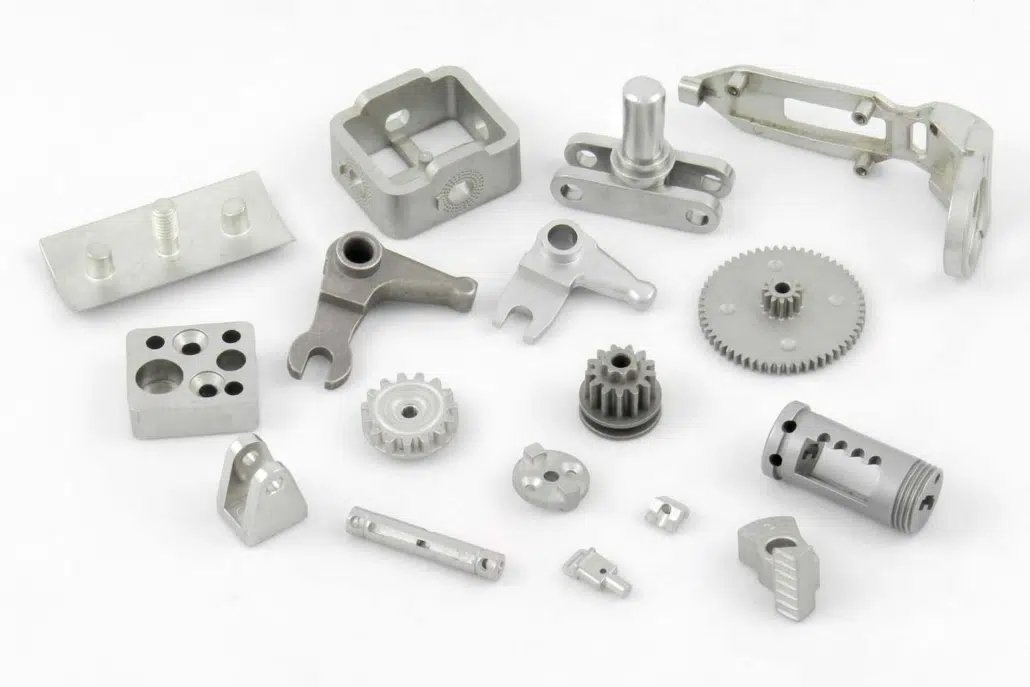
Initially, global industries increasingly adopt porous metals to replace traditional cast iron in automotive transmissions and precision machinery applications. Consequently, engineers achieve superior dimensional accuracy and complex geometries through rapid sintering technologies that minimize material waste. Nevertheless, inherent physical differences require specialized thermal protocols to eliminate structural weaknesses found in green compacts. Therefore, researchers continuously refine hot forging, powder injection molding, and hot isostatic pressing methods to boost overall wear resistance and fatigue strength.
Primary Thermal Modification Techniques
Specifically, technicians must base their protocols on the exact chemical composition and grain size of the compacted powder blend.
1. Quenching and Tempering Protocols
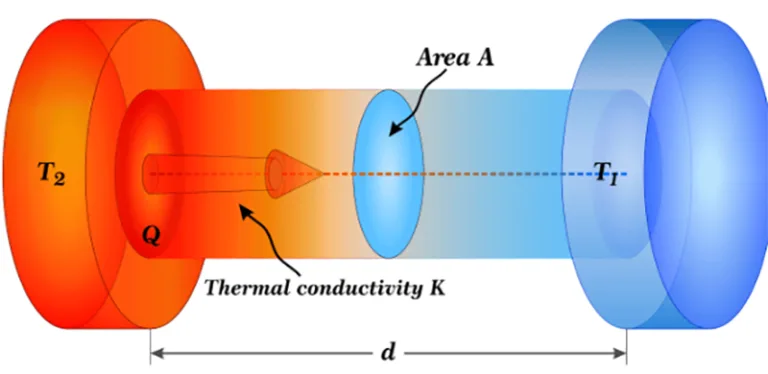
Naturally, internal voids significantly slow down thermal transfer compared to fully dense forged steel. Thus, metallurgists must extend the complete austenitizing phase by at least fifty percent to ensure uniform core temperatures throughout the part. Additionally, adding nickel or molybdenum refines the grain structure and stabilizes the supercooled austenite during cooling. Subsequently, operators perform tempering between 175°C and 250°C in air or oil to effectively mitigate severe brittleness while retaining hardness.
2. Chemical Surface Enrichment
Meanwhile, carburizing and nitriding processes rely on atomic diffusion to harden the exterior layers against abrasion. However, high carbon potential atmospheres are mandatory because dense regions resist deep penetration without sufficient driving force. Moreover, interconnected channels allow active carbon atoms to infiltrate rapidly, sometimes exceeding two percent surface concentration in uneven austenite structures. Ultimately, this specialized carburizing yields exceptional wear resistance when technicians manage the extended soaking times correctly for densities above 7g/cm³.
3. Steam Oxidation Treatment
Alternatively, exposing heated components to pressurized steam generates a robust magnetite (Fe₃O₄) oxide layer on the surface. Hence, this specific reaction vastly outperforms standard bluing treatments regarding long-term corrosion protection in humid environments. Besides improving anti-rust properties, the steam treatment also seals surface pores and increases apparent hardness. As a result, manufacturers frequently specify this cost-effective finish for consumer goods and hydraulic pump parts.
4. Advanced Special Heat Treatments
Recently, technological advancements have introduced induction heating and laser surface hardening to the PM sector. Induction methods utilize high-frequency electromagnetic eddy currents to rapidly elevate surface temperatures, though intermittent heating is necessary to prevent soft spots caused by poor thermal conductivity. Conversely, laser hardening uses focused light energy to melt and instantly self-quench microscopic zones. Thereby, the austenite grains lack time to recrystallize, producing an ultra-fine martensitic structure with superior fatigue life.
Critical Influencing Variables
Porosity and Thermal Conductivity Dynamics
Fundamentally, void networks dictate the overall cooling rate and final martensitic transformation success according to the formula: Effective Conductivity = Theoretical Conductivity × (1 – 2 × Porosity)/100. For instance, exceeding eight percent total void volume allows reactive gases to bypass the surface entirely during chemical treatment. Consequently, operators strictly avoid liquid salt baths to prevent catastrophic internal corrosion traps from residual salts. Instead, specialized vacuum chambers or inert gas streams guarantee safe extraction of thermal energy without contaminating the porous matrix.
Alloying Elements and Sintering Temperature Synergy
Furthermore, copper additions steadily increase hardening depth until reaching a critical saturation threshold where benefits diminish. Conversely, uneven nickel distribution creates localized soft spots within the crystalline matrix due to incomplete diffusion. Therefore, manufacturers always pair precise elemental blends with high-temperature sintering cycles to maximize solid solution homogeneity before heat treatment. Without adequate sintering temperatures, the alloy remains in elemental form rather than dissolving, drastically reducing hardenability and mechanical response.
Frequently Asked Questions
Why do engineers avoid water or salt baths when quenching porous sintered metals?+
Indeed, liquid baths penetrate the interconnected pore networks, trapping corrosive salts inside the component and causing severe internal degradation over time. Therefore, specialists typically perform these treatments in vacuum or inert gas environments to preserve integrity.
How does porosity affect the case depth during carburizing?+
Unfortunately, high porosity allows carbon-rich gases to infiltrate deeply but unevenly. Consequently, this often creates soft spots and reduces overall surface hardness if the density falls below optimal thresholds like 7g/cm³, requiring adjusted cycle times.
What role do alloying elements play in PM heat treatment?+
Elements such as nickel, molybdenum, and copper refine grain structures and stabilize supercooled austenite. Additionally, they significantly increase hardenability and ensure uniform martensitic transformation during cooling despite the insulating effect of pores.
Optimize Your Sintered Components Today
Ultimately, mastering these thermal protocols guarantees superior durability and performance for your next mechanical assembly. Contact our metallurgical team for custom heat treatment specifications.