Technical Guide | Advanced Ceramic
How to Efficiently Handle Inquiries for Non-Standard Industrial Ceramic Parts?
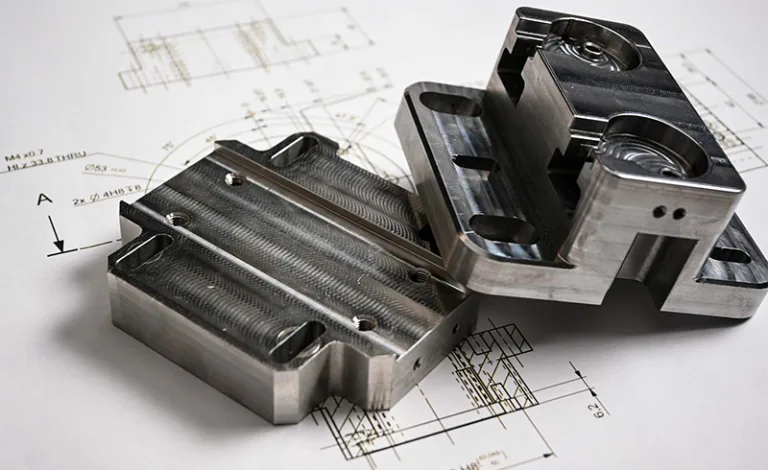
When sourcing custom industrial ceramic components, buyers often face a familiar problem: different manufacturers quote very different prices, offer different lead times, or deliver parts that do not fit the actual equipment requirements. In many cases, the problem starts before production, because the inquiry drawing does not contain enough technical information.
Unlike ordinary metal or plastic components, technical ceramics require careful control of material selection, forming, sintering, machining and inspection. Even small differences in material grade, dimensional tolerance or operating conditions can affect manufacturing cost and final performance.
Therefore, a complete technical drawing helps both the buyer and manufacturer work from the same requirements. This guide explains six essential groups of information to include when requesting a quotation for non-standard industrial ceramic parts, from material specifications to final acceptance criteria.
Quick Overview: Six Items Your Ceramic Drawing Should Include
- Material grade, composition and relevant properties
- Overall dimensions, critical tolerances and geometric requirements
- Surface finish and acceptable appearance
- Forming, machining and special processing requirements
- Operating environment and functional performance
- Inspection methods, delivery details and acceptance criteria
1. Specify the Ceramic Material Grade Clearly
First, identify the exact ceramic material rather than writing only “ceramic part” on the drawing. Different technical ceramics have different raw material costs, processing requirements and physical properties, so a general material description rarely gives a manufacturer enough information for an accurate quotation.
For alumina components, for example, state the required purity or grade, such as 95% alumina, 99% alumina or 99.5% high-purity alumina. Higher purity can change the material cost, sintering conditions and achievable performance.
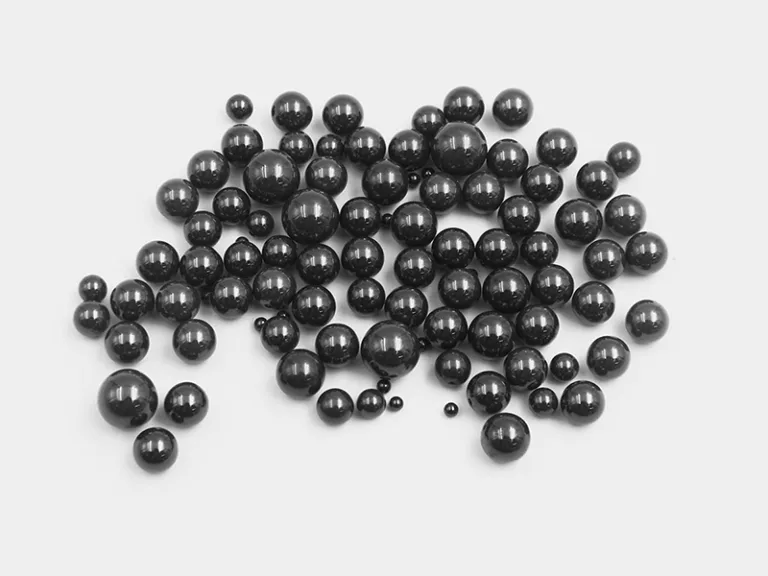
Meanwhile, silicon nitride and silicon carbide require more specific material descriptions. Where the application or design depends on a particular production route, identify the required material type or sintering route, such as reaction-bonded silicon carbide or pressureless-sintered silicon carbide.
Additionally, functional ceramics such as aluminum nitride, zirconia and boron nitride should have a clearly identified grade or material designation. If the drawing refers to a supplier-specific grade, include the manufacturer’s designation or an agreed material specification.
Where performance matters, add relevant reference properties such as thermal expansion coefficient, volume resistivity, thermal conductivity, density or maximum service temperature. However, these values should come from an agreed material specification or technical datasheet rather than an assumed industry-wide figure.
| Material | What to Specify | Why It Matters |
|---|---|---|
| Alumina (Al₂O₃) | Purity or grade, such as 95%, 99% or 99.5% | Affects material cost, insulation and wear-related performance. |
| Silicon Nitride (Si₃N₄) | Material grade and required properties | Helps match strength, thermal and wear requirements. |
| Silicon Carbide (SiC) | Material type and production route, where relevant | Different grades and routes offer different properties and processing options. |
| Zirconia (ZrO₂) | Grade and stabilizer type, where applicable | Influences strength, toughness and thermal behavior. |
| Aluminum Nitride (AlN) | Grade and required thermal or electrical properties | Supports selection for thermal management and electrical insulation. |
Ultimately, a precise material specification gives the manufacturer a reliable starting point for material selection, process planning and cost calculation.
2. Define Dimensions and Tolerances for Accurate Assembly
Next, provide complete dimensions and tolerance requirements for every feature that affects installation or operation. Industrial ceramic parts often serve in semiconductor equipment, new energy systems and precision machinery, where dimensional accuracy directly affects alignment, sealing and assembly.
2.1 Include All Essential Dimensions
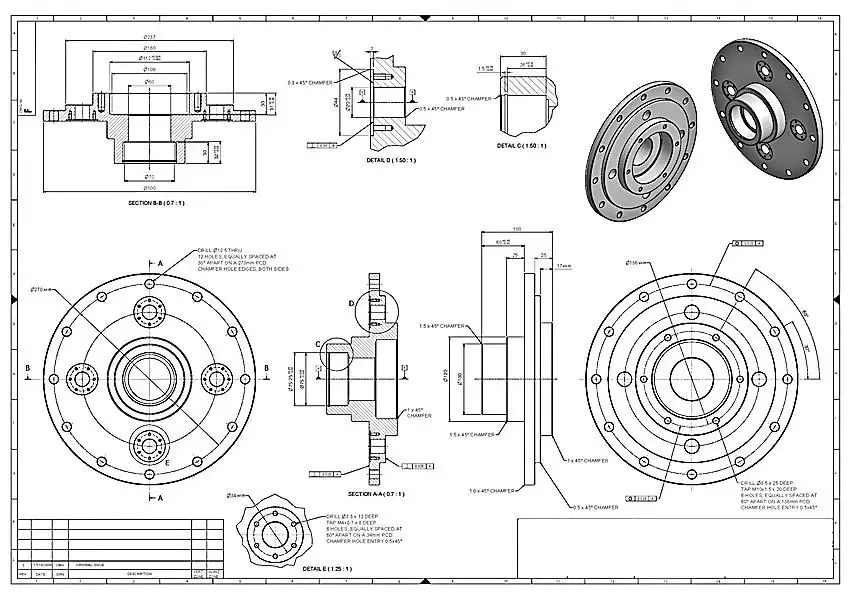
In particular, show the overall length, width, height, diameter, hole size, wall thickness, slot position, thread details, steps and other functional features. Avoid missing dimensions or relying on scaled measurements from the drawing.
For thin-wall components, clearly identify the minimum wall thickness and any areas that require special attention. As an initial design reference, a wall thickness of around 0.4 mm may be considered for some ceramic structures; however, this is not a universal manufacturing limit. Material choice, geometry, forming method, sintering shrinkage and machining access all affect feasibility.
2.2 State the Required Dimensional Tolerances
Furthermore, do not leave critical dimensions to an undefined “standard tolerance.” Instead, specify the actual tolerance for important assembly features, sealing surfaces and locating holes. For example, a drawing may call for ±0.02 mm on a selected dimension, provided the manufacturer confirms that the requirement is achievable for the chosen material and geometry.
Where a fit is required, identify the fit system and the relevant nominal size. For example, H7/h6 may describe a fit requirement in an appropriate dimensional system, but the designer should confirm its suitability for the ceramic component and mating part.
For general dimensions, reference an agreed standard such as GB/T 1804 or ISO 2768, including the required tolerance class. Nevertheless, these general standards do not automatically resolve every ceramic manufacturing issue, so critical ceramic dimensions should have explicit tolerances agreed with the supplier.
Additionally, specify geometric tolerances wherever function depends on them. Common examples include flatness, parallelism, perpendicularity, concentricity or coaxial alignment, and runout where applicable.
Because technical ceramics are hard and relatively brittle, precision grinding and other finishing operations can require more time and control than comparable metal machining. Consequently, unnecessarily tight tolerances may increase machining cost, inspection time and rejection risk.
3. Set Surface Finish and Appearance Requirements
Equally important, define the surface condition required for each functional area. Surface finish can influence friction, sealing, wear, insulation and contact behavior, so a single general note may not be sufficient for a complex ceramic component.
3.1 Specify Surface Roughness
For sealing faces, sliding surfaces and assembly contact areas, state the required roughness value, usually expressed as Ra. Meanwhile, non-functional surfaces may only need a standard ground or as-processed finish, depending on the application.
For example, precision sealing components and wafer-support parts may require carefully controlled surface finish and flatness. By comparison, a simple insulating support may not need the same level of polishing.
3.2 Define Acceptable Appearance
In addition, explain how the supplier should assess chips, scratches, pinholes, edge damage and color variation. Ceramic forming, sintering and machining can produce minor surface differences, but the acceptance criteria should reflect the component’s actual function.
- Specify the acceptable size and location of minor chips or scratches.
- Clarify whether small edge chips or color variations are acceptable.
- Identify critical working surfaces that must be free from cracks or other specified defects.
- State whether visible pores or surface marks require rejection, further review or a defined inspection method.
As a result, both parties can judge product appearance against the same written standard instead of relying on subjective expectations after delivery.
4. Identify Manufacturing and Special Processing Requirements
Beyond dimensions and surface finish, manufacturing requirements can have a major impact on quotation and product performance. Ceramic components may need different forming, sintering and finishing routes depending on their material and geometry.
4.1 Forming and Production Method
Where a particular process is essential to the design, state it on the drawing or technical specification. Common ceramic forming methods include dry pressing, isostatic pressing, gel casting and ceramic injection molding.
However, buyers do not always need to prescribe the entire manufacturing route. When the process is flexible, provide the required material properties, geometry, quantity and performance targets, then ask the manufacturer to recommend a suitable production method.
4.2 Machining and Secondary Operations
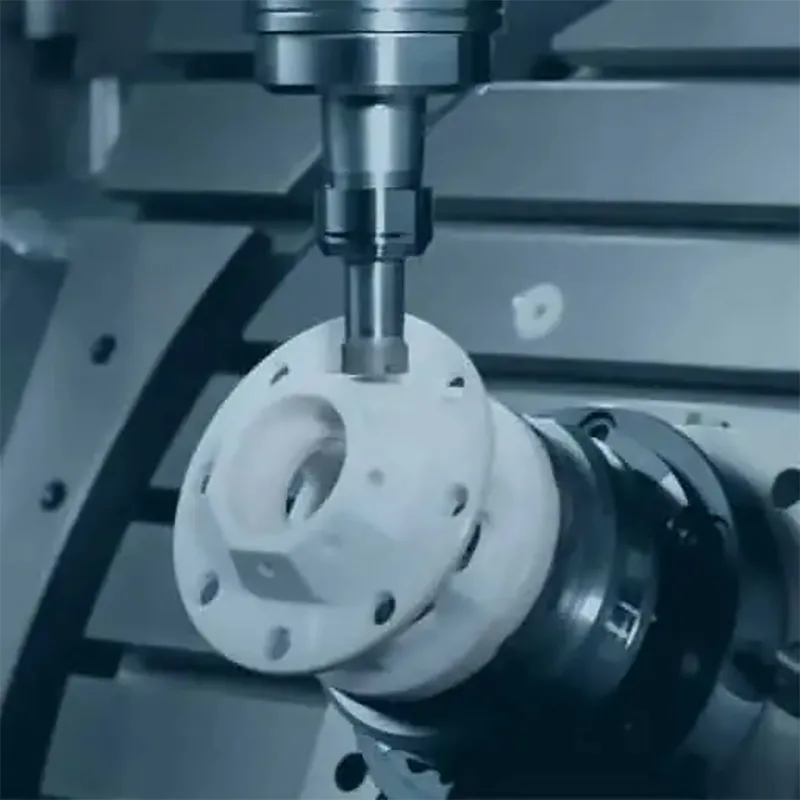
Additionally, list any special finishing or secondary operations, such as diamond grinding, polishing, mirror finishing, chamfering, drilling, thread machining, metallization or brazing. If a metal-to-ceramic joint is required, include the relevant connection details and service conditions.
4.3 Edge Details and Complex Features
Meanwhile, specify chamfer sizes, corner radii and any edges that must remain sharp. Do not assume that the supplier will apply the same edge treatment to every feature.
For deep holes, micro-holes, narrow slots and thin-wall irregular structures, provide enlarged details or section views where necessary. Consequently, the manufacturer can assess tool access, machining difficulty and achievable tolerances before confirming the quotation.
5. Describe the Actual Operating Environment
Another essential step is to explain how the ceramic component will work inside the equipment. Two parts with identical dimensions may require different materials and manufacturing controls if one operates in a vacuum system while the other faces high temperatures, corrosive media or repeated mechanical contact.
5.1 Temperature and Thermal Cycling
First, state the continuous operating temperature and any short-term peak temperature. Where thermal cycling occurs, also provide the heating and cooling rates, temperature range and expected cycle frequency.
5.2 Chemical and Physical Environment
Next, describe whether the component operates in a vacuum, air, acidic or alkaline media, corrosive gases, dusty conditions or a high-pressure environment. If the part contacts process chemicals, identify the relevant substances and, where possible, their concentration and operating temperature.
5.3 Required Functional Performance
Furthermore, identify the properties that matter most to the application. Depending on the component, these may include electrical insulation, dielectric strength, wear resistance, impact resistance, gas tightness, thermal conductivity or thermal insulation.
5.4 Assembly and Mechanical Loads
Finally, explain the assembly conditions, including preload, vibration, contact pressure, mating metal material and sealing arrangement. Such details help the supplier assess the risk of cracking, excessive stress or premature wear during operation.
In practice, a component that passes dimensional inspection may still fail in service if its material or design does not suit the real operating environment. Therefore, application information is just as important as the drawing itself.
6. Confirm Inspection, Delivery and Acceptance Requirements
Before requesting a final quotation, define how the finished parts will be inspected and accepted. Clear acceptance criteria help the manufacturer plan quality checks, estimate inspection costs and prepare the correct delivery documents.
6.1 Applicable Standards and Technical Specifications
Where relevant, identify the applicable national standards, industry standards or customer-specific specifications. If the project uses a company standard, attach the document or provide its revision number so that the supplier can review the requirements.
6.2 Inspection Items and Methods
Depending on the application, the inspection plan may include dimensional checks, surface roughness measurement, visual inspection, electrical insulation testing, strength testing or leak testing. In addition, state which dimensions require full inspection and which may follow an agreed sampling plan.
6.3 Quantity, Reports and Packaging
Also confirm the order quantity, prototype quantity, inspection report requirements and packaging method. For fragile ceramic components, specify protective packaging that reduces the risk of impact, chipping and breakage during transport.
6.4 Drawing Number and Revision Control
Lastly, include the drawing number, revision level and issue date. Whenever a design changes, update the revision information and make sure both the buyer and supplier use the same approved version.
A Practical Checklist Before Sending Your Ceramic Inquiry
To make the quotation process easier, use the following checklist before sending drawings to a ceramic manufacturer. Although not every project needs every item, the list helps identify missing information early.
| Information Group | Information to Prepare |
|---|---|
| Material | Material name, grade, purity and required properties |
| Dimensions | Complete dimensions, wall thickness, holes, threads and feature details |
| Tolerances | Critical dimensional tolerances and geometric tolerances |
| Surface | Ra requirements, appearance limits and defect acceptance criteria |
| Processing | Required forming, machining, polishing and joining operations |
| Operating Conditions | Temperature, atmosphere, chemicals, loads and functional requirements |
| Quality | Inspection items, test methods, reports and acceptance standards |
| Order and Delivery | Quantity, target delivery date, packaging and drawing revision |
How AOFE MIMCustom Supports Custom Industrial Ceramic Components
For buyers who need non-standard ceramic components, AOFE MIMCustom supports custom ceramic component manufacturing based on project drawings and application requirements. The goal is to help customers move from an initial design to a practical manufacturing solution with clear technical expectations.
During the inquiry stage, provide your 2D drawings, 3D models or available design information. In addition, explain the intended application, operating temperature, mechanical load, process environment and critical performance requirements.
Based on the information supplied, the project team can review the component requirements and discuss material selection, structural details, dimensional tolerances and relevant manufacturing considerations. Where a drawing leaves important details open, early clarification can help reduce quotation differences and avoid unnecessary changes later.
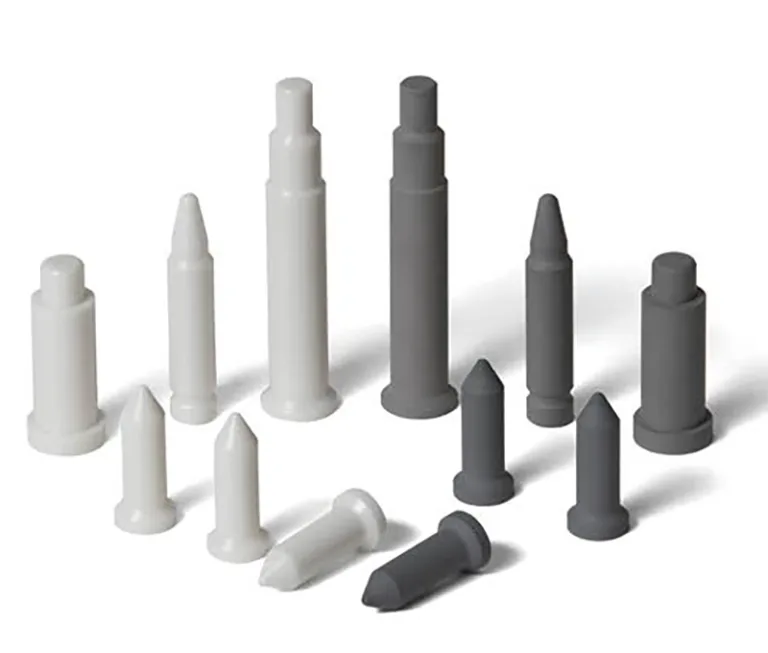
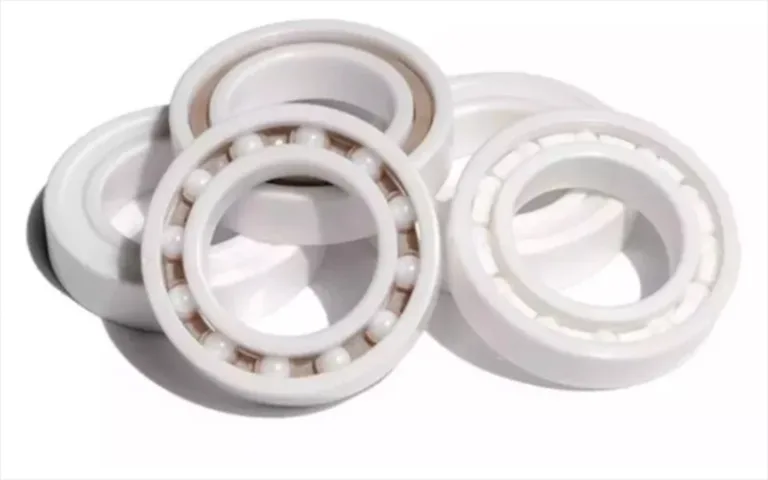
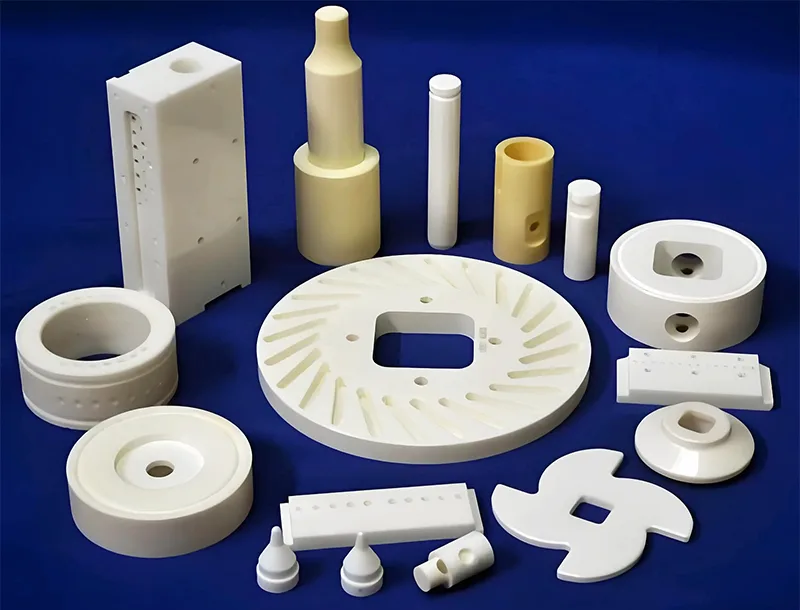
Depending on the project, custom ceramic components may include precision structural parts, insulating components, wear-resistant parts, rings, tubes, blocks and other non-standard geometries. However, the suitable material, process route and achievable tolerances need to be confirmed for each individual design.
Request a Custom Ceramic Parts Quotation
To help AOFE MIMCustom review your project, prepare the following information where available:
- 2D engineering drawing or 3D CAD file
- Required ceramic material or target properties
- Order quantity and expected annual demand
- Critical dimensions and tolerance requirements
- Operating temperature, environment and mechanical loads
- Inspection, testing and delivery requirements
Frequently Asked Questions About Custom Ceramic Parts Inquiries
1. What information should I send when requesting a quotation for custom ceramic parts?
At a minimum, provide a 2D drawing or 3D model, material requirements, quantity and critical tolerances. Additionally, include the operating environment, surface finish, inspection requirements and target delivery date whenever possible.
2. Can I request a quotation if I only have a sample part?
Yes, a sample can help the manufacturer understand the component’s shape and visible features. However, provide any available measurements, material information and application details as well, because a sample alone may not reveal internal dimensions, hidden tolerances or performance requirements.
3. Why do different manufacturers quote different prices for the same ceramic drawing?
Often, suppliers make different assumptions about material grade, forming method, machining allowance, tolerance, inspection and production quantity. Therefore, ask each manufacturer to confirm the material specification, process assumptions and included inspection scope before comparing quotations.
4. Can I use metal tolerance standards directly for ceramic components?
Not without checking their suitability. Although general dimensional standards can provide a useful reference, ceramic parts have different forming and machining characteristics. Consequently, critical dimensions and geometric requirements should be reviewed and agreed with the ceramic manufacturer.
5. What is the minimum wall thickness for a custom ceramic part?
There is no single minimum thickness that applies to every ceramic material and design. For some structures, around 0.4 mm may serve as an early design reference, but actual feasibility depends on material, shape, forming process, sintering behavior and machining requirements. Therefore, confirm thin-wall designs with the manufacturer before finalizing the drawing.
6. Should I specify surface roughness on every surface?
Not necessarily. Instead, identify the functional surfaces that need controlled roughness, such as sealing faces, sliding areas and assembly contact surfaces. Meanwhile, other areas can use an agreed general finish requirement.
7. Which operating conditions should I include in the inquiry?
Include continuous and peak temperatures, thermal cycling, vacuum or atmospheric conditions, chemical exposure, mechanical loads and contact materials. In addition, state any special requirements for insulation, wear resistance, thermal conductivity or gas tightness.
8. Can AOFE MIMCustom manufacture non-standard ceramic components from customer drawings?
AOFE MIMCustom supports custom ceramic component manufacturing based on customer drawings and project requirements. For an initial review, submit your drawings or CAD files together with the material, quantity, operating conditions and critical quality requirements.
9. Do I need to specify inspection reports and packaging requirements?
Yes, especially for precision or fragile ceramic components. Clearly state whether you need dimensional reports, material documents, electrical tests or other inspection records. Additionally, specify protective packaging requirements to reduce damage during handling and transport.
Final Thoughts: Better Drawings Lead to Better Ceramic Parts
Ultimately, an accurate inquiry starts with a complete and understandable technical drawing. Material grade, dimensions, tolerances, surface finish, processing requirements, operating conditions and acceptance criteria all contribute to a reliable quotation and a practical manufacturing plan.
By preparing these details before contacting a supplier, buyers can reduce repeated clarification, compare quotations more fairly and lower the risk of costly rework. For precision semiconductor ceramics, high-temperature structural parts and electrical insulation components, clear technical communication is an important first step toward stable production and dependable equipment performance.
Key Topics Covered
Non-standard industrial ceramic parts; custom ceramic components; ceramic material grades; alumina ceramics; silicon nitride ceramics; silicon carbide ceramics; zirconia ceramics; ceramic dimensional tolerances; ceramic surface roughness; ceramic machining; ceramic manufacturing requirements; industrial ceramic inspection; custom ceramic parts quotation.