
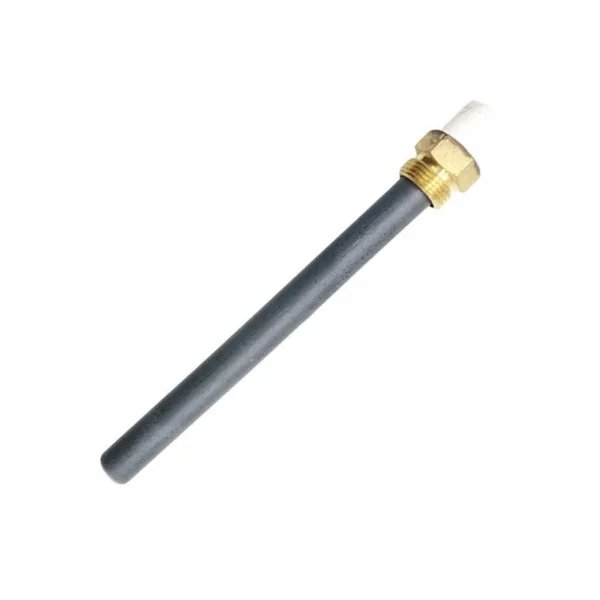
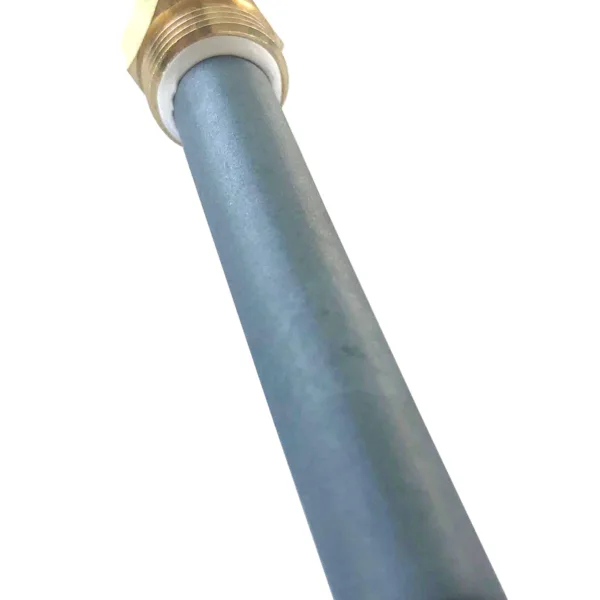
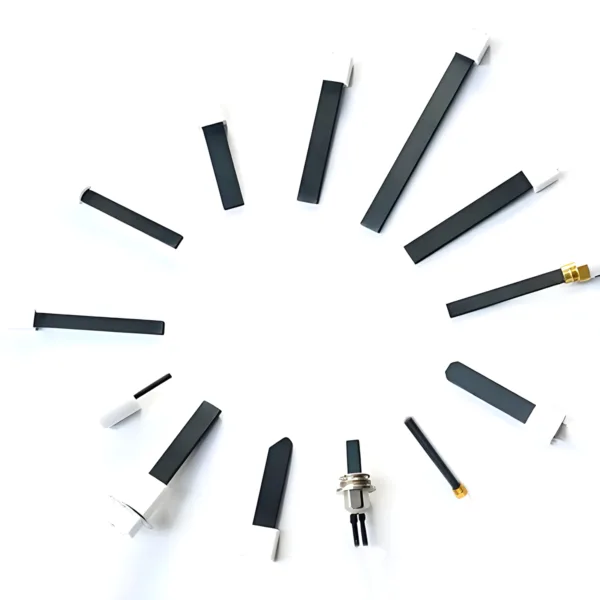
Product images illustrate typical silicon nitride heating elements. Actual size, power rating, terminal design and packaging depend on the ordered specification.
Silicon Nitride Heating Element for Coffee Machine
Si₃N₄ Ceramic Heating Element for Drip, Capsule and Compact Espresso Machines
Silicon nitride ceramic heating element designed for coffee machines that require rapid temperature rise in limited space. The material provides electrical insulation and reasonable resistance to scale under normal water conditions.
Manufactured by XIAMEN AOFE NEW MATERIAL CO.,LTD., Xiamen, China. For OEM projects we review power, voltage, dimensions and terminal requirements before confirming supply. Power range typically 500-2500 W, subject to design and production capability.
Product Type:
Silicon Nitride Heating Element for Coffee Machine
Material:
Silicon Nitride (Si₃N₄)
Power Range:
500–2500 W, subject to confirmation
Ordering Basis:
Power + Voltage + Dimensions + Terminal Design
Product Overview
The Silicon Nitride Heating Element for Coffee Machine is a ceramic heating component made from Si₃N₄. It is intended for drip coffee machines, capsule systems, and compact espresso machines that need relatively fast heat-up within a limited heating zone.
The element provides electrical insulation and better resistance to scale than many metal heating tubes under normal water conditions. Actual performance depends on water quality, flow rate, control method, and the thermal design of the complete machine.
A complete purchase specification includes target power, voltage, overall dimensions, terminal type, and any required inspection documents.
Temperature Rise Performance
The chart below shows typical temperature rise of a silicon nitride ceramic instant heating element under test conditions. Water temperature reaches approximately 90°C within 5 seconds and approaches 100°C at 10 seconds.
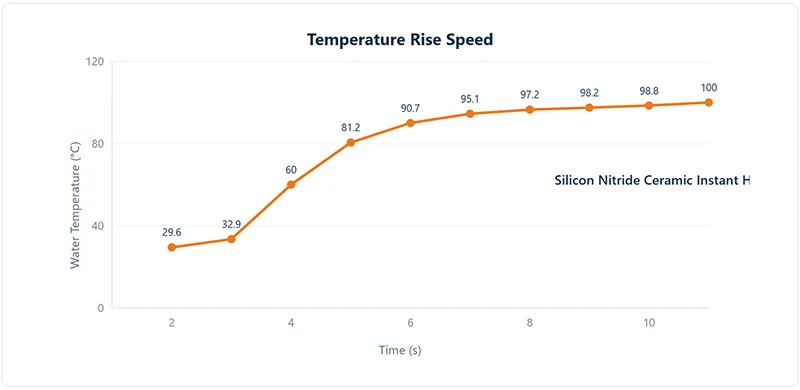
Test data is for reference. Actual temperature rise depends on power rating, water flow rate, inlet temperature, and control system of the specific machine.
Product Appearance
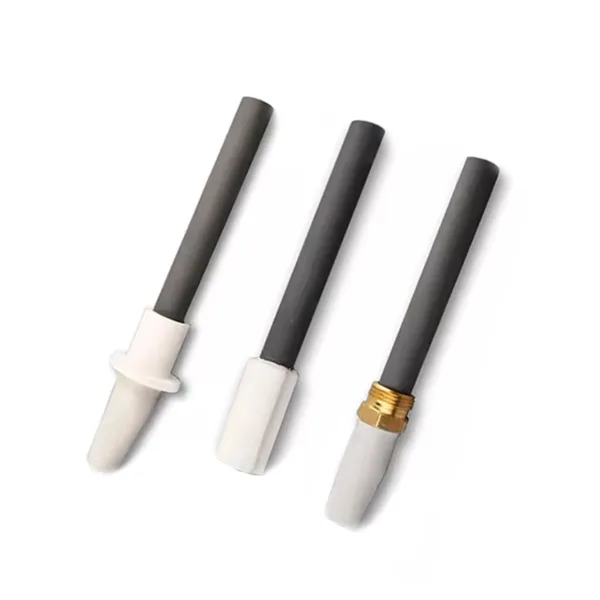
The image shows typical configurations only. Final dimensions, power density and terminal design are confirmed against the customer’s machine layout.
Typical Specifications
These values are typical ranges for coffee machine applications. Final ratings are confirmed according to the specific design and operating conditions.
| Parameter | Typical Range | Notes |
|---|---|---|
| Material | Silicon Nitride (Si₃N₄) | Ceramic body |
| Rated Voltage | 110V / 220V / 230V | Customizable |
| Power | 500-2500 W | Subject to size |
| Surface Load | Up to 60-70 W/cm² | Design dependent |
| Insulation Strength | ≥ 1500V / 5mA / 3s | Typical test |
| Working Medium | Water / Liquid | — |
Procurement note: Power, voltage, overall dimensions and terminal design should be stated together. Higher surface load usually requires a smaller heating zone or higher power density confirmation.
Typical Material Properties
These figures are typical reference values for silicon nitride used in heating elements. They are not guaranteed properties unless confirmed on a material certificate for the specific production lot.
| Property | Typical Reference Range | Unit |
|---|---|---|
| Density | 3.20-3.30 | g/cm³ |
| Flexural strength | ≥ 700 | MPa |
| Thermal expansion | about 3.0-3.5 | ×10⁻⁶/K |
| Thermal conductivity | 20-30 | W/(m·K) |
| Electrical property | Electrical insulator | — |
| Max. continuous temperature | up to 1000–1200 | °C (material) |
Actual heating element temperature is limited by the design, water flow, and control system, not by the material limit alone.
Where These Heating Elements Are Used
Drip coffee machines that need relatively fast water temperature rise in a compact heating zone.
Capsule coffee systems where space is limited and the heater must sit close to the water path.
Compact espresso machines and automatic coffee makers that require electrical insulation near liquid.
Suitability is confirmed against the machine’s water quality, flow rate, control system, and thermal design, not from the material alone.
Inspection You Can Request
A shipment can be supplied with a dimensional inspection report covering overall size and key mounting dimensions. Electrical test results, including insulation strength and leakage current, can be provided when requested.
A material certificate for the silicon nitride grade used on that order can also be supplied. Ask for these documents in the inquiry if they are required before you place the order.
Frequently Asked Questions
What is the main difference from a metal heating tube?
Silicon nitride provides electrical insulation and generally better resistance to scale under normal water conditions. It also allows a more compact heating zone. Metal tubes remain a practical choice for many standard machines.
Can power and voltage be customized?
Yes. Power rating, voltage, overall dimensions, and terminal design can be adjusted according to the coffee machine layout and electrical requirements.
What should I send for a quotation?
Target power, voltage, preferred dimensions or space constraints, terminal type, estimated quantity, and whether you need inspection documents. A drawing or reference model helps when the mounting or interface is already defined.
Related Products
These products use silicon nitride material or serve related heating and fluid-handling applications. Open the page that matches the part you actually buy.
Silicon Nitride Ceramic Components
Custom Si₃N₄ parts including tubes, rings, and structural components.
Silicon Nitride Bearings
Hybrid and full ceramic bearings using Si₃N₄ rolling elements.
Advanced Technical Ceramics
Overview of silicon nitride, silicon carbide, alumina, and zirconia products.
Request a Quote
Send these items and we will reply with capability, price and lead time for the stated design:
1. Target power and voltage — for example 1500 W at 220 V.
2. Overall dimensions — or the available space inside the machine.
3. Terminal design — type and position, if already defined.
4. Quantity — prototype quantity or production quantity.
5. Documents — dimensional inspection report, material certificate, or electrical test results.
Specifications are typical ranges for coffee machine applications and are confirmed against the inquiry. Material figures are reference values and are confirmed on the certificate for the supplied grade. Product photographs are typical illustrations, not a specific production lot.