Our Manufacturing Services
Custom Ceramic and Metal Injection Molding Solutions
We help manufacturers turn product ideas and technical drawings into precision components. From ceramic injection molding to metal injection molding, our services support complex shapes, practical material choices, and repeatable production. In addition, we provide mold development and design support to help you move from concept to manufacturing with greater confidence.
Manufacturing Support for Your Component Requirements
Every component has its own shape, material, and operating requirements. Therefore, we begin by understanding your drawings, application, and production goals before discussing a suitable manufacturing process.
For example, ceramic injection molding can help create complex ceramic geometries, while metal injection molding suits many small and intricate metal components. Meanwhile, custom mold and design support helps prepare your product for forming and production.
Service 01
Ceramic Injection Molding (CIM)
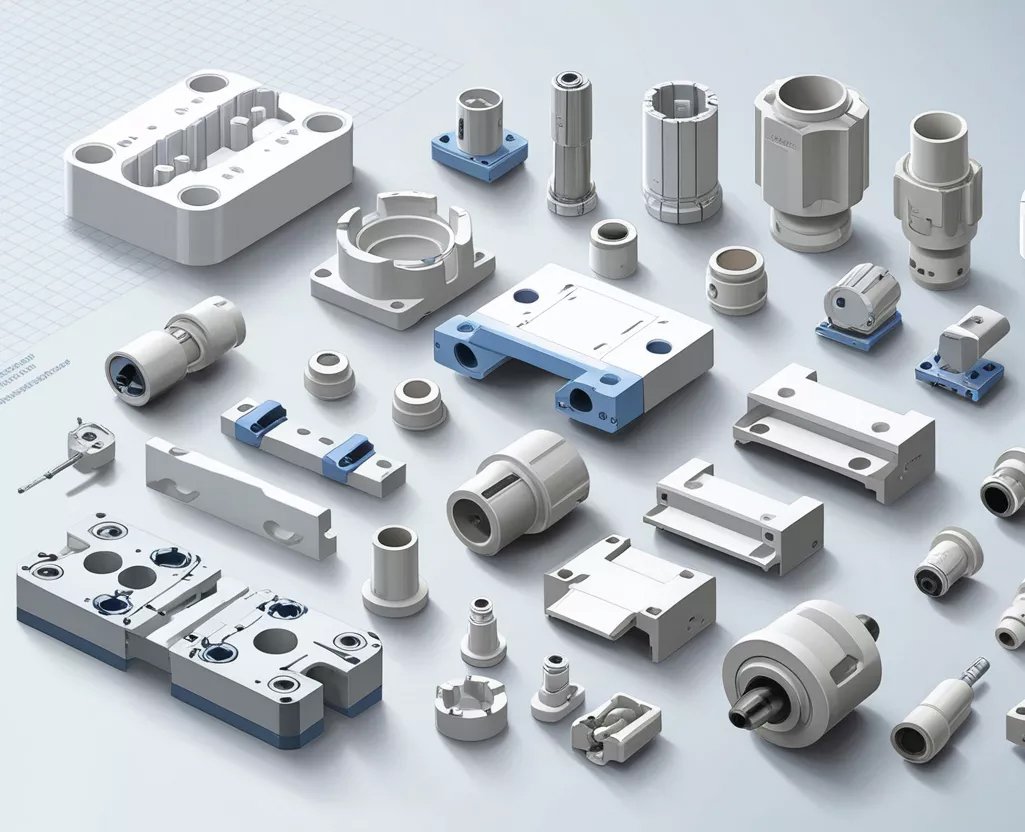
Ceramic Injection Molding, or CIM, combines fine ceramic powder with a binder to create a moldable feedstock. Then, a molding machine shapes the material into a component with detailed features. After molding, debinding and sintering help form the finished ceramic part.
This process works well when a component needs a complex shape, small details, or consistent production across many parts. In addition, engineers can evaluate materials such as alumina, zirconia, and silicon nitride according to the part’s working conditions and performance needs.
Key Benefits
- Creates complex shapes and fine design features.
- Supports repeatable production of small ceramic components.
- Offers material options for wear, heat, and electrical insulation needs.
- Can reduce machining needs for suitable part designs.
Typical Applications
Common applications include electronic insulators, precision ceramic components, medical device parts, industrial wear components, and selected semiconductor equipment parts. However, the best material and process depend on the component geometry and its service conditions.
Service 02
Metal Injection Molding (MIM)
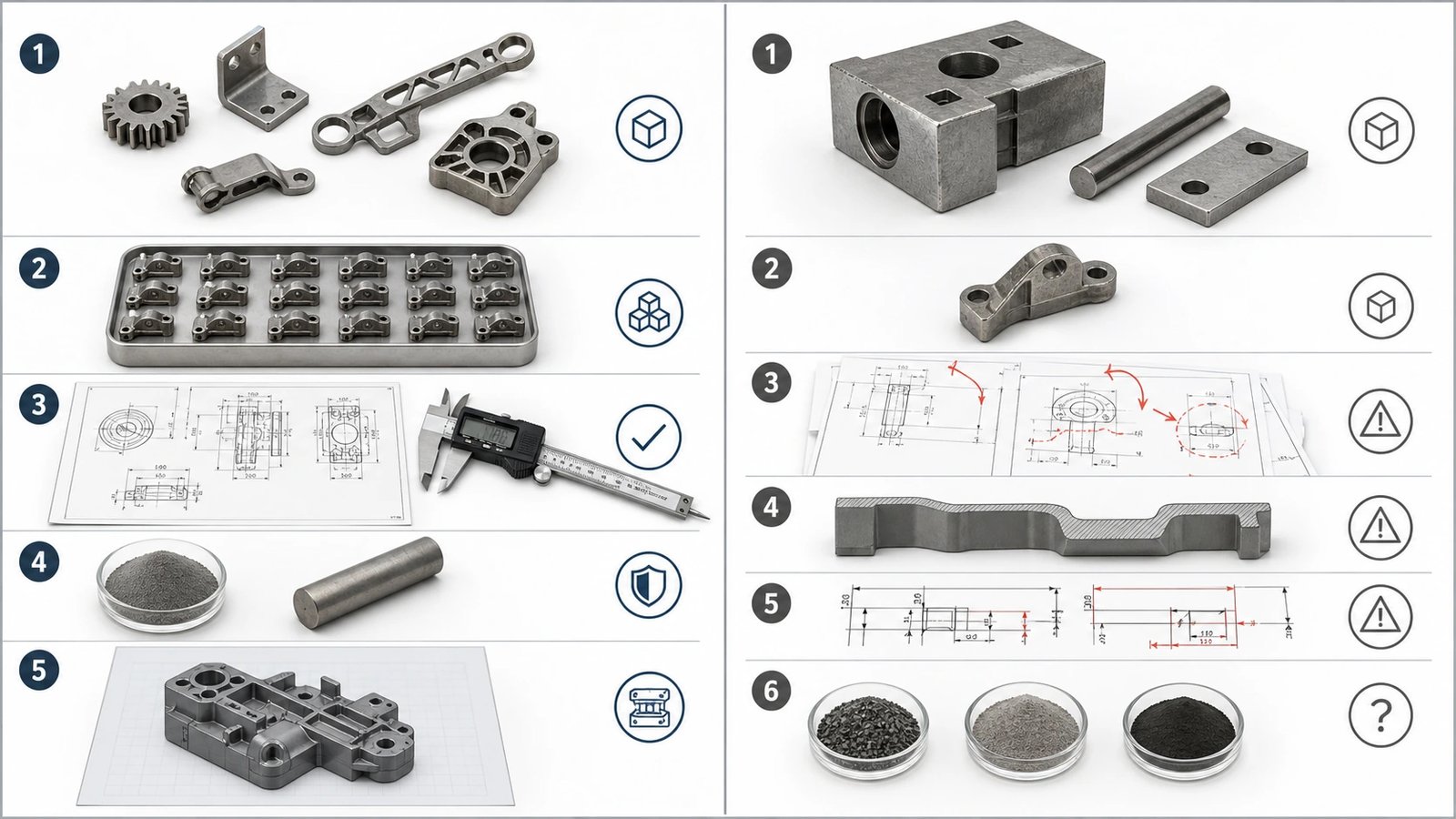
Metal Injection Molding, or MIM, combines fine metal powder with a binder to make a feedstock that flows into a mold. Next, the process shapes small metal parts with complex details. After molding, debinding and sintering remove the binder and help the metal particles form a solid component.
MIM offers a useful option for parts that have intricate features and require repeatable production. For suitable designs, it can also reduce the need for several separate machining steps. Moreover, material selection can support different strength, hardness, and corrosion-resistance requirements.
Key Benefits
- Produces small metal parts with detailed geometries.
- Supports repeatable output for suitable production volumes.
- Allows a range of metal alloys, depending on the design.
- Can combine multiple design features into one component.
Typical Applications
Manufacturers use MIM for precision hardware, electronic components, medical instrument parts, automotive mechanisms, and compact industrial components. Consequently, it is worth reviewing the part size, wall thickness, tolerance needs, and expected order volume before choosing this process.
Service 03
Molds and Designs
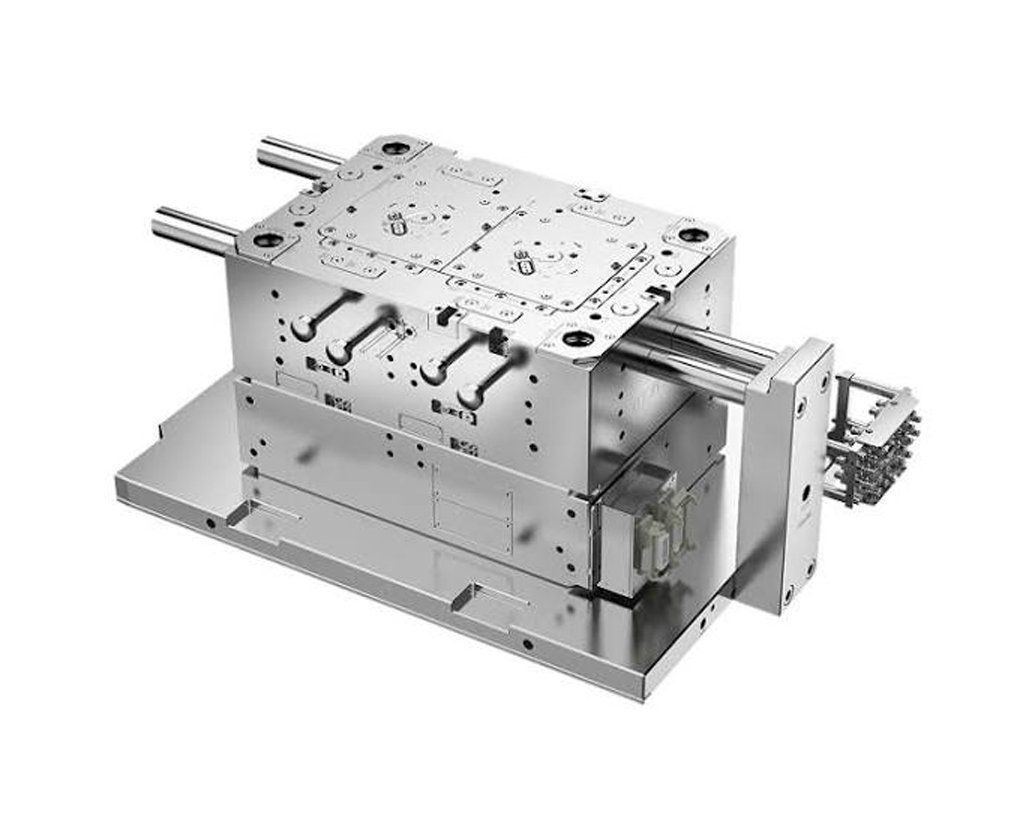
A good mold starts with a clear understanding of the component and its purpose. First, we review your drawings, dimensions, material needs, and key design features. Then, the team can evaluate the mold layout and identify areas that may affect forming, part quality, or production cost.
Early design reviews can help identify problems before tooling begins. For example, wall thickness, draft angles, parting lines, and complex features may affect how a component fills the mold and releases from it. Therefore, discussing these details early can help reduce avoidable design changes later.
Design and Tooling Support
- Drawing and 3D model review.
- Design-for-manufacturing feedback.
- Mold structure and parting-line assessment.
- Prototype planning and production preparation.
- Design updates based on agreed project requirements.
How This Helps Your Project
Whether you already have a finished drawing or only an early product concept, you can share your requirements for review. As a result, the team can discuss suitable tooling options, possible design adjustments, and the next steps toward production.
How We Move Your Project Forward
A clear workflow helps both sides understand the project requirements and make practical decisions at each stage.
STEP 01
Share Your Requirements
First, send your drawings, target material, expected quantity, and application details.
STEP 02
Review the Design
Next, we discuss the geometry, production needs, and suitable process options.
STEP 03
Confirm the Plan
After the review, we clarify the proposed tooling, production route, and quotation scope.
STEP 04
Prepare for Production
Finally, the project moves forward according to the agreed specifications and schedule.
Frequently Asked Questions
What information should I provide for a quotation?
To begin, share a 2D drawing or 3D model, material requirements, estimated order quantity, and application details. Additionally, mention any important tolerances or testing requirements so the team can review your project more accurately.
How do I choose between CIM and MIM?
Generally, CIM suits components that need ceramic properties, such as wear resistance, heat resistance, or electrical insulation. In contrast, MIM suits small metal components with complex features. However, the best choice depends on the part design, material requirements, and production volume.
Can I request help if I only have a product concept?
Yes, you can start with a concept sketch and a description of the intended use. Then, the team can discuss what additional drawings, dimensions, or technical details may be needed to evaluate the project.
Does every component work with injection molding?
Not every design suits CIM or MIM because geometry, wall thickness, material behavior, tolerances, and production volume all matter. Therefore, a design review helps determine whether injection molding offers a practical route or whether another process may fit better.
Can I send drawings for a custom mold project?
Certainly, you can submit available drawings or 3D files through the inquiry form. After reviewing the information, the team can discuss design considerations, tooling needs, and the details required for a quotation.
Let’s Discuss Your Next Project
Have a drawing, a prototype, or a new component idea? Send us your requirements, and we can discuss the next steps for ceramic molding, metal molding, or custom tooling.