
Product images are for illustration. Confirm the actual product grade, dimensions, and finish before ordering.
ADVANCED SILICON NITRIDE CERAMICS
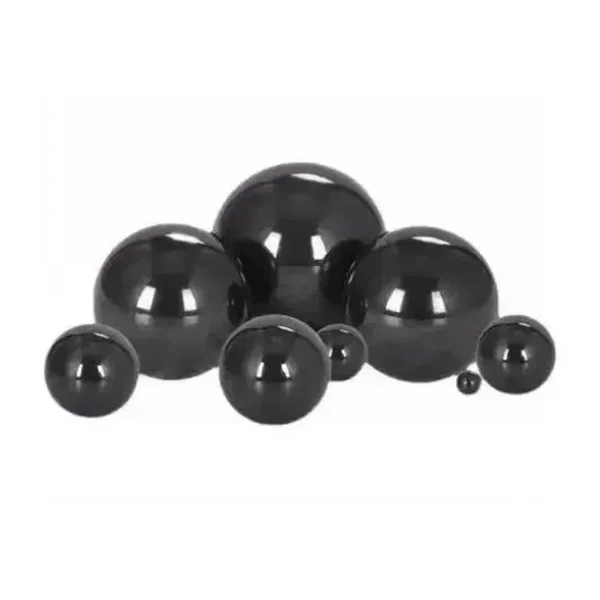
Silicon Nitride Ceramic Bearing Balls
Precision Si₃N₄ Rolling Elements for Demanding Bearing Applications
Silicon nitride ceramic bearing balls are precision-engineered rolling elements designed for bearing systems that require a combination of low density, high hardness, wear resistance, and electrical insulation. Their suitability depends on the ceramic grade, ball diameter, dimensional accuracy, surface finish, and operating environment.
AOFE MIMCustom supports industrial buyers seeking advanced ceramic components for precision machinery, selected high-speed bearings, and custom engineering applications. Share your drawing and operating requirements to discuss product feasibility and specifications.
Material:
Silicon Nitride (Si₃N₄)
Component Type:
Ceramic Bearing Balls
Manufacturing:
Precision Ceramic Processing
For an accurate quotation, provide the required ball diameter, tolerance, quantity, material requirements, and intended application.
What Are Silicon Nitride Ceramic Bearing Balls?
Silicon nitride ceramic bearing balls are spherical rolling elements manufactured from silicon nitride, an advanced engineering ceramic commonly represented by the chemical formula Si₃N₄. Manufacturers process and finish these components to meet the dimensional and surface requirements of specific bearing designs.
Compared with conventional bearing steel, silicon nitride has a lower density and different mechanical, thermal, and electrical properties. These characteristics can make ceramic balls suitable for bearing systems where rolling-element mass, electrical insulation, wear behavior, or operating conditions influence material selection.
Engineers should evaluate the complete bearing assembly rather than select a ball solely by its material. Raceway compatibility, contact stress, lubrication, preload, operating speed, temperature, and contamination can all affect bearing performance and service life.
Engineering Selection Principle
Select silicon nitride ceramic bearing balls according to the required dimensions, material grade, dimensional tolerance, surface finish, bearing design, and operating environment. The correct specification matters more than a general material claim.
Silicon Nitride Material Properties
Silicon nitride is a structural ceramic used in demanding mechanical applications. Its properties vary with powder composition, additives, sintering method, microstructure, and final processing. The following characteristics explain why engineers consider Si₃N₄ for selected bearing applications.
Low Density
Dense silicon nitride bearing ceramics commonly have a density of approximately 3.2-3.3 g/cm³, depending on the grade. Their lower density than bearing steel can reduce rolling-element mass and associated centrifugal forces in suitable bearing designs.
High Hardness
Silicon nitride offers high hardness and abrasion resistance. The actual wear performance of a bearing ball depends on material quality, surface finish, contact conditions, lubrication, and the presence of abrasive particles.
Mechanical Strength
Silicon nitride can provide high flexural strength and good fracture resistance for a ceramic material. Performance depends on the grade, microstructure, manufacturing quality, surface defects, and component geometry.
Electrical Insulation
Silicon nitride is electrically insulating. This characteristic can benefit bearing assemblies that require electrical isolation, although the performance of the complete assembly depends on its other components and operating conditions.
Thermal Performance
Silicon nitride can retain useful mechanical properties at elevated temperatures compared with many conventional materials. Actual operating limits depend on the ceramic grade, bearing design, lubrication, temperature gradients, and environmental conditions.
Chemical Stability
Silicon nitride resists many industrial environments, but compatibility is not universal. Confirm the effects of specific chemicals, process fluids, temperatures, and cleaning agents before selecting the material.
Key Performance Advantages of Silicon Nitride Bearing Balls
Silicon nitride ceramic bearing balls offer a different combination of properties from steel rolling elements. Their value depends on the application and the engineering requirements of the bearing system.
1. Reduced Rolling-Element Mass
The lower density of silicon nitride can reduce the mass of each rolling element compared with a steel ball of the same size. In appropriately designed high-speed bearings, this difference can help reduce centrifugal loading. However, maximum operating speed still depends on bearing geometry, lubrication, cage design, preload, and thermal management.
2. Wear Resistance for Demanding Applications
High hardness makes silicon nitride attractive for applications where rolling contact and surface wear require careful control. Nevertheless, ceramic balls are not immune to damage. Excessive impact, poor alignment, contamination, inadequate lubrication, or unsuitable raceway conditions can cause premature failure.
3. Electrical Isolation
Unlike electrically conductive steel, silicon nitride can provide electrical isolation through the rolling element itself. This property can be useful in selected electrically sensitive equipment, but buyers should assess the insulation requirements of the complete bearing assembly.
4. Potential Benefits in Specialized Environments
Silicon nitride may be suitable for selected environments where temperature, chemical compatibility, wear, or electrical requirements make conventional materials less attractive. The correct material choice must follow an evaluation of the actual service conditions rather than a general assumption that ceramic always outperforms metal.
Important: Silicon nitride ceramic balls are hard but brittle compared with many metals. Impact loading, installation procedures, raceway compatibility, and handling require appropriate engineering consideration.
Applications of Silicon Nitride Ceramic Bearing Balls
Engineers use silicon nitride ceramic balls in selected bearing configurations where their material properties address specific design requirements. The final choice should account for load, speed, lubrication, temperature, and the materials of the mating components.
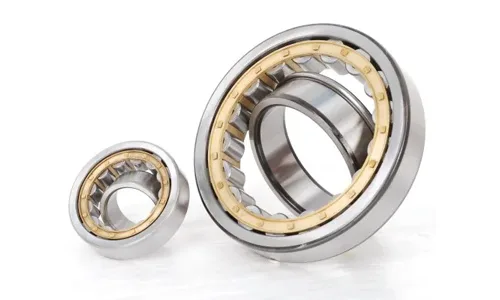
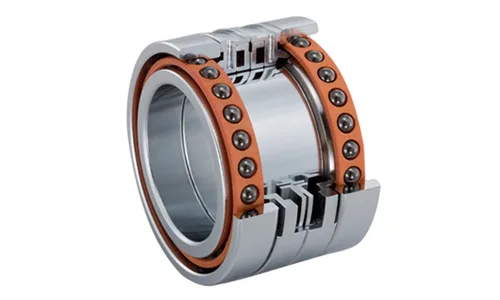 Precision Bearings
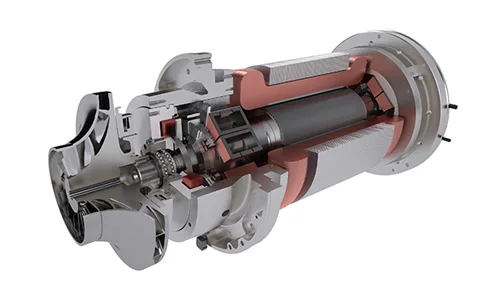 High-Speed Rotating Equipment
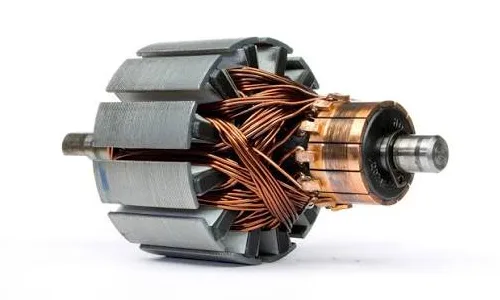 Electrically Sensitive Equipment
 Specialized Industrial Systems
Technical Specifications of Silicon Nitride Ceramic Bearing Balls
The following table provides a technical selection framework for silicon nitride ceramic bearing balls. Exact product values, available sizes, and tolerances depend on the material grade, manufacturing process, finishing method, and customer requirements.
| Parameter | Typical Information / Requirement |
|---|---|
| Chemical Composition | Silicon Nitride (Si₃N₄); exact composition depends on grade and additives. |
| Density | Approximately 3.2-3.3 g/cm³ for many dense grades; verify the selected grade. |
| Hardness | Grade-dependent; specify the required hardness and test method when applicable. |
| Flexural Strength | Depends on material grade, test method, specimen geometry, and manufacturing quality. |
| Ball Diameter | Specify the nominal diameter and required size series. |
| Dimensional Tolerance | Confirm the required tolerance or applicable bearing-ball grade. |
| Sphericity / Roundness | Specify the required limit and inspection method. |
| Surface Finish | Confirm the required surface roughness, finish, and inspection criteria. |
| Electrical Properties | Electrically insulating material; verify requirements for the complete assembly. |
| Inspection Documents | Confirm availability of dimensional inspection reports, material documentation, and other required records. |
Specification Notice: The table describes material characteristics and purchasing requirements. It is not a certified product datasheet. Confirm actual values, tolerances, and inspection results with AOFE MIMCUSTOM before placing an order.
Custom Silicon Nitride Ceramic Bearing Balls
Custom ceramic bearing-ball requirements vary according to the bearing design, installation dimensions, load conditions, and target operating performance. Before production, buyers should establish the required dimensions, tolerances, surface finish, material grade, and inspection criteria.
Diameter and Size
Provide the nominal ball diameter, required size series, quantity, and dimensional tolerances.
Material Grade
Identify the required material grade or describe the mechanical, electrical, thermal, and chemical requirements.
Surface Quality
Specify sphericity, dimensional variation, surface finish, and any special inspection criteria.
Application Requirements
Explain the bearing type, operating speed, loading, lubrication, temperature, and working environment.
For OEM projects, a technical drawing or existing part specification can help the manufacturer assess feasibility and clarify inspection requirements. Custom dimensions, grades, tolerances, minimum order quantities, and lead times must be confirmed before quotation.
Manufacturing Process of Silicon Nitride Ceramic Bearing Balls
Producing precision silicon nitride ceramic balls requires controlled ceramic processing and accurate finishing. The exact manufacturing route depends on the material composition, ball size, target grade, and required dimensional accuracy.
STEP 01
Powder Preparation
Prepare and control the ceramic powder system and additives according to the selected material formulation.
STEP 02
Forming and Shaping
Form the ceramic material into suitable preforms using a process appropriate for the product and production route.
STEP 03
Sintering
Apply the appropriate controlled sintering process to develop the required ceramic microstructure and density.
STEP 04
Precision Grinding
Use suitable grinding and finishing operations to achieve the specified ball dimensions and surface characteristics.
STEP 05
Inspection
Check the applicable dimensional, surface, and material requirements according to the agreed inspection plan.
STEP 06
Packaging and Dispatch
Protect finished ceramic balls against impact and contamination during handling, packaging, and transportation.
Actual manufacturing steps and inspection methods may differ by product grade and order specification. Confirm the available process controls and quality documentation with the supplier.
Quality Control and Purchasing Considerations
Selecting ceramic bearing balls requires more than confirming the material name. Buyers should ensure that the delivered product matches the dimensional, surface, material, and inspection requirements of the intended bearing system.
- Confirm the material grade and applicable technical documentation.
- Specify ball diameter, dimensional tolerance, and required sphericity.
- Define the surface finish and inspection criteria.
- Evaluate compatibility with the bearing raceway, cage, lubricant, and operating conditions.
- Confirm batch traceability and inspection reports when required by the project.
- Agree on packaging, quantity, lead time, and acceptance criteria before production.
For critical applications, consider a sample evaluation or engineering review before approving full production. The appropriate validation method depends on the application risk and customer quality requirements.
Frequently Asked Questions About Silicon Nitride Ceramic Bearing Balls
The following answers address common engineering and purchasing questions about silicon nitride ceramic bearing balls.
What are silicon nitride ceramic bearing balls made of?
They are made from silicon nitride engineering ceramic, represented by the chemical formula Si₃N₄. The exact composition and properties depend on the material grade, additives, and manufacturing process.
Why choose silicon nitride ceramic balls instead of steel balls?
Silicon nitride has lower density than bearing steel and offers high hardness and electrical insulation. These characteristics can benefit selected bearing designs, but the best choice depends on load, speed, lubrication, raceway compatibility, temperature, and cost.
Are silicon nitride ceramic balls suitable for high-speed bearings?
They can be suitable for appropriately designed high-speed bearing systems because their lower density can reduce rolling-element mass. The permitted operating speed must still be determined by the complete bearing design, lubrication, preload, cage, temperature, and manufacturer specifications.
Are silicon nitride ceramic bearing balls electrically insulating?
Silicon nitride is an electrically insulating material. However, the electrical performance of a complete bearing assembly also depends on its geometry, other materials, contamination, and operating environment.
Can silicon nitride ceramic bearing balls withstand impact?
Silicon nitride has useful strength and fracture resistance for a ceramic, but it remains brittle compared with many metals. Excessive impact, installation damage, edge loading, and unsuitable contact conditions can cause fracture or chipping.
What dimensions and tolerances are available?
Available dimensions and tolerances depend on the supplier’s production capability and product grade. Provide the nominal diameter, tolerance requirements, quantity, and applicable drawing or bearing-ball specification for confirmation.
Can I request custom silicon nitride ceramic bearing balls?
Custom requirements may be possible depending on the requested dimensions, material grade, finishing requirements, and manufacturing capability. Submit your drawing and quantity so the supplier can assess feasibility.
What information should I provide for a quotation?
Provide the ball diameter, material grade, dimensional tolerances, surface requirements, order quantity, intended application, operating conditions, delivery destination, and any required inspection documents.
What quality documents should buyers request?
Depending on the application, buyers may request material documentation, dimensional inspection reports, batch traceability records, or other agreed quality documents. Confirm availability and scope before placing an order.
AOFE MIMCUSTOM ADVANCED CERAMICS
Looking for Silicon Nitride Ceramic Bearing Balls?
Send your technical drawing, ball diameter, required tolerance, order quantity, and application details. Our team can review your requirements and discuss the next steps for material selection and quotation.