Find Components by Operating Environment
From Material Selection to Component Specification
The right ceramic component depends on operating temperature, mechanical load, wear conditions, chemical exposure, electrical requirements, geometry, and manufacturing tolerances. This application guide connects industry needs with relevant component families so engineers and purchasing teams can identify a suitable starting point.
How to use this guide
- Select your industry or equipment application.
- Review the component keywords listed for that sector.
- Open a related product category for further details.
- Submit drawings, operating conditions, and quantity requirements for review.
APPLICATION 01 / MOTION & WEAR
Industrial Machinery
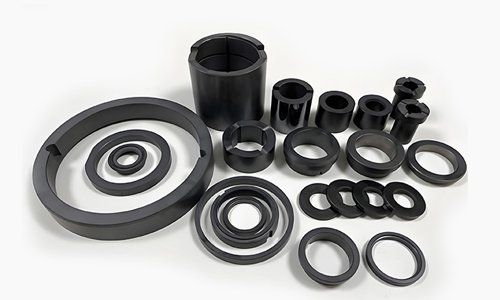
Ceramic components for rotating assemblies, material handling, fluid control, and equipment exposed to friction or demanding thermal conditions.
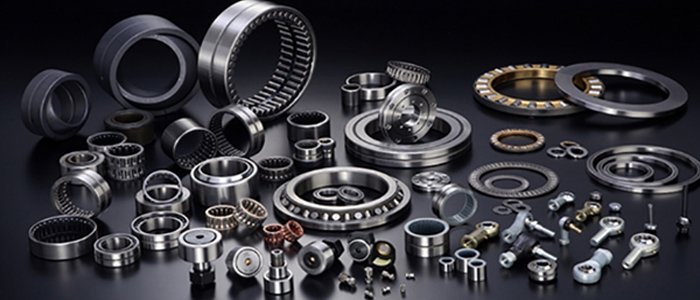
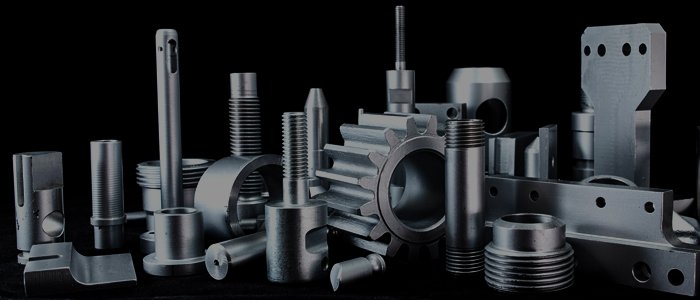
Related equipment: pumps, machine tools, industrial drives, material handling systems, and process equipment.
APPLICATION 02 / CLEAN PROCESSING
Semiconductor
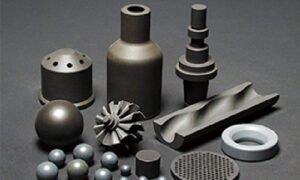
Semiconductor equipment may require dimensional stability, thermal-cycle resistance, electrical insulation, and controlled surface quality. Component suitability depends on the process chemistry, temperature, cleanliness requirements, and exact equipment design.
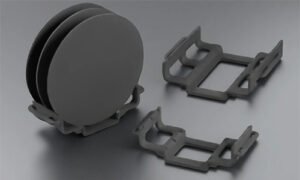
Wafer Handling Components
Thermal Process Components
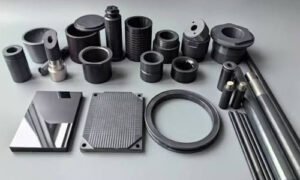
Insulation & Precision Fixtures
APPLICATION 03 / BIOMEDICAL ENGINEERING
Medical
Selected technical ceramics are researched or used for medical and dental applications where material properties, wear performance, biocompatibility, and imaging requirements matter. Actual use in a medical device requires application-specific material validation and applicable regulatory approval.
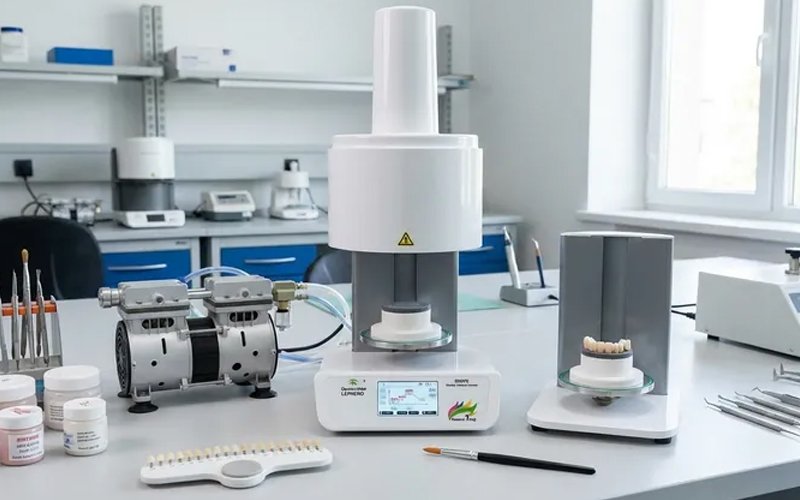
Orthopedic & Dental Materials
Diagnostic & Instrument Parts
Medical project inquiry
Please provide the intended device, contact conditions, sterilization requirements, material standard, and regulatory market for an initial feasibility review.
APPLICATION 04 / MOTION CONTROL
Robotics and Automation
Robotic and automated systems may use precision ceramic parts in positioning assemblies, end-effectors, high-speed motion systems, and electrically isolated fixtures. Final selection should consider load, impact risk, tolerance, and the machine’s duty cycle.
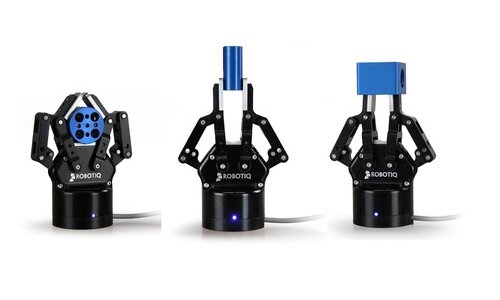
End-Effectors & Grippers
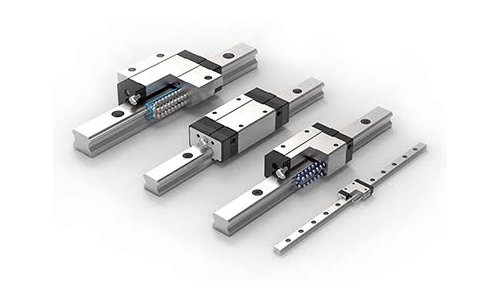
Motion & Guidance
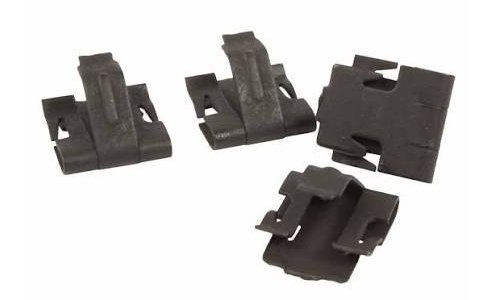
Sensor & Insulation Parts
APPLICATION 05 / ENERGY CONVERSION
New Energy
New-energy equipment can involve thermal cycling, electrical insulation, power conversion, and high-temperature process conditions. The relevant ceramic grade and geometry depend on whether the component is used in a power module, battery manufacturing line, hydrogen system, or energy-production equipment.
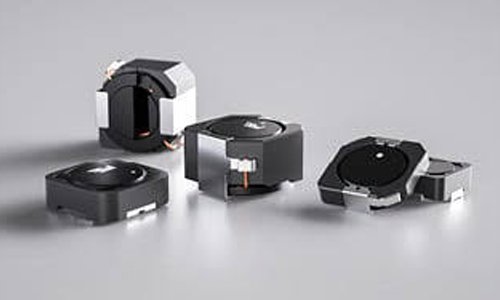
Power Conversion & Modules
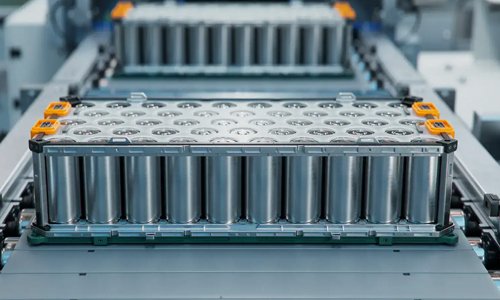
Battery & Cell Production
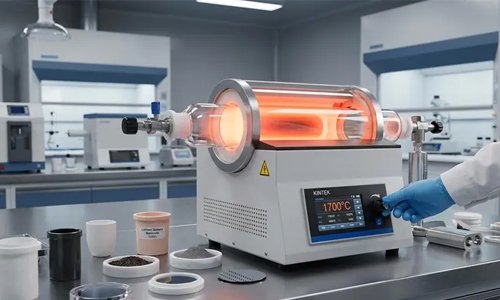
Thermal & Energy Equipment
APPLICATION 06 / DIMENSIONAL ACCURACY
Precision Machine
Precision machinery relies on controlled dimensions, repeatable movement, and component consistency. Ceramic parts can be considered for selected assemblies where wear resistance, stiffness, electrical insulation, or low density is important.
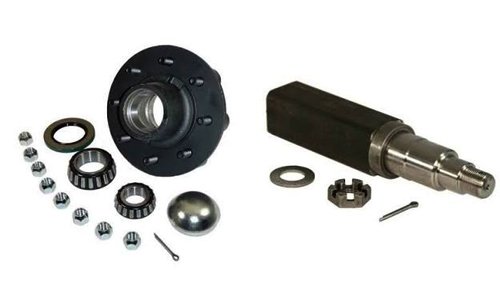
Spindle Assemblies
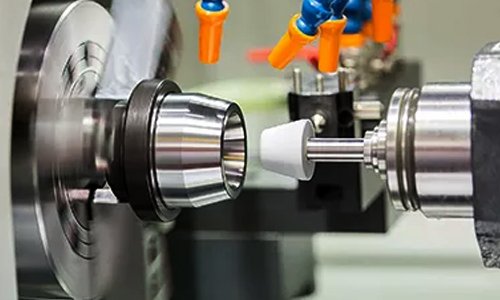
Machining Systems
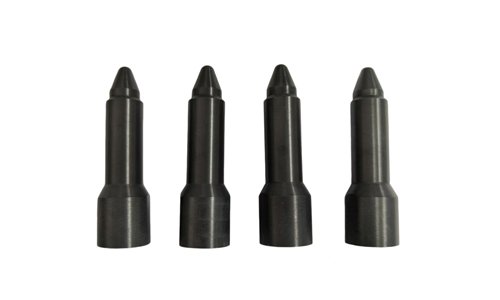
Positioning & Calibration
APPLICATION 07 / ELECTRICAL PERFORMANCE
Electronics Industry
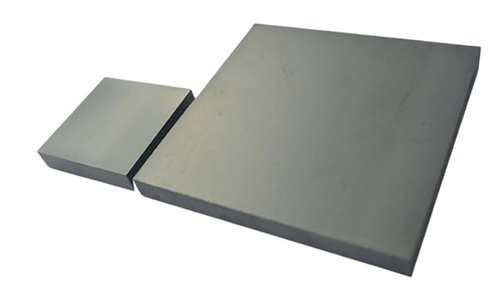
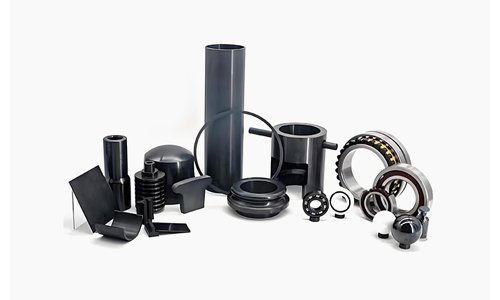
Electronic assemblies may require ceramic substrates, insulating supports, thermal management parts, or precision components. Material selection should account for dielectric performance, thermal conductivity, operating voltage, heat cycles, and assembly method.
APPLICATION 08 / VEHICLE SYSTEMS
Automotive
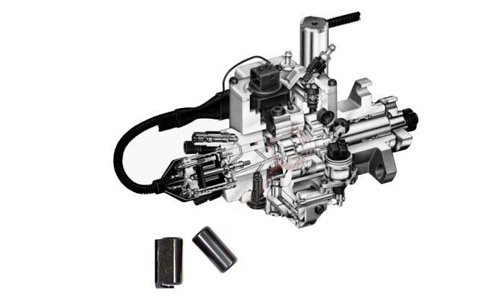
Automotive ceramic components may be considered for selected high-temperature, wear-sensitive, rotating, and power-electronics applications. Requirements differ between combustion engines, electric vehicles, and production equipment, so each part should be matched to its actual operating conditions.
Engine & Powertrain
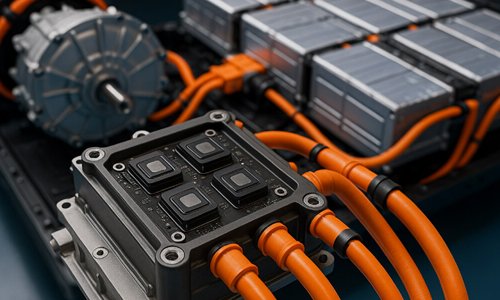
Electric Vehicle Systems
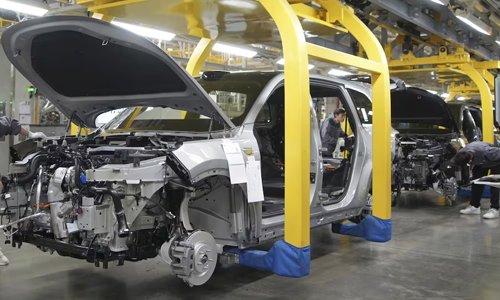
Vehicle Production Equipment
APPLICATION 09 / HIGH-TEMPERATURE PROCESSING
Iron and Steel Metallurgy
Metallurgical environments can expose components to high temperatures, thermal cycling, molten materials, abrasion, and mechanical impact. Silicon nitride is used in selected demanding applications, while other ceramic materials may be appropriate depending on the process chemistry and temperature.
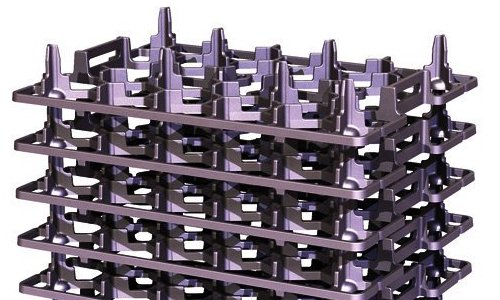
Furnace & Thermal Fixtures
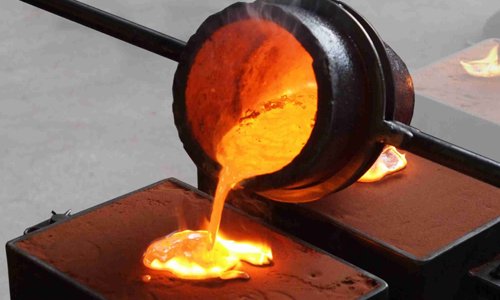
Molten Metal & Casting
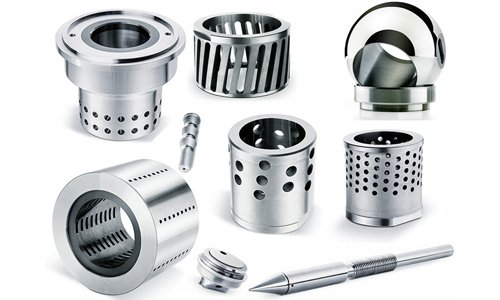
Metal Forming & Wear Parts
Important material selection note
Iron and steel processes vary significantly. A component suitable for molten aluminum or a specific furnace operation may not be suitable for direct contact with molten steel. Confirm the metal, slag, atmosphere, temperature, thermal shock, and contact duration before specifying a material.
PRODUCT DIRECTORY
Browse Ceramic Product Categories
Continue from an industry application to a product family. Use these links as internal navigation and replace the example URLs with your published category pages.
ENGINEERING INQUIRY
Need a Ceramic Component for a Specific Application?
Share your operating environment and part requirements so the material and manufacturing options can be reviewed against your application.
Information to Include
- Industry, equipment type, and component function
- Material preference or required ceramic grade
- Operating temperature, load, speed, and media
- Drawing, dimensions, tolerance, and surface finish
- Estimated quantity, annual demand, and delivery schedule
- Required inspection, certification, or regulatory documentation
APPLICATION FAQ
Frequently Asked Questions About Ceramic Applications
1. Which industries use silicon nitride ceramic components?
Silicon nitride is used in selected applications across industrial machinery, semiconductor equipment, precision machining, automotive systems, power electronics, and metal processing. Other technical ceramics may be more suitable for particular electrical, chemical, or medical requirements.
2. How do I choose the right ceramic material?
Compare the operating temperature, mechanical load, wear mechanism, thermal shock, chemical compatibility, electrical properties, dimensional tolerances, and total service conditions. The final material should be selected using application-specific engineering data rather than a generic industry label.
3. Can custom ceramic components be manufactured from drawings?
Custom manufacturing may be possible depending on the material, geometry, size, tolerance, production method, and quantity. Submit a drawing or sample together with the required operating conditions for a feasibility review.
4. Are all ceramic components suitable for medical use?
No. Medical suitability depends on the specific material grade, device design, manufacturing controls, validation, intended use, and applicable regulatory requirements. A general technical ceramic component should not be assumed to be approved for clinical use.
5. What information helps speed up a quotation?
A complete drawing, material specification, tolerance requirements, surface finish, annual quantity, application environment, and target delivery date help the supplier evaluate manufacturability and prepare a more relevant quotation.