QUICK TECHNICAL ANSWER
What Is Low Alloy Steel MIM?
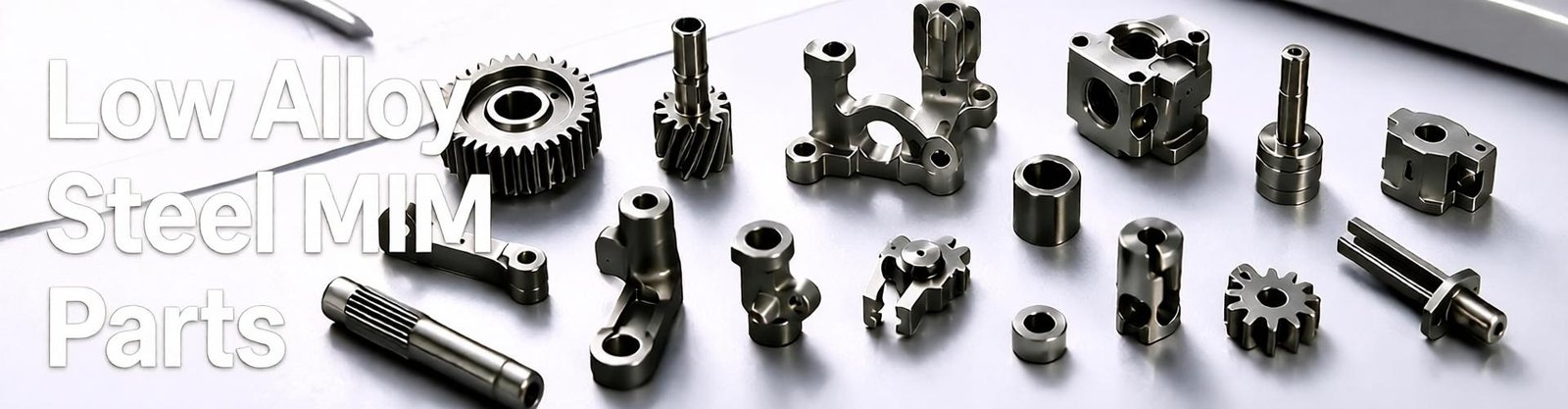
Low Alloy Steel MIM is a metal injection molding route using iron-based alloys with controlled additions of elements such as nickel, chromium, or molybdenum. Feedstock is molded, debound, and sintered; suitable parts may receive secondary machining, carburizing, quenching, tempering, or other specified treatments. Typical candidates include compact gears, lock mechanisms, levers, and industrial drive components.
FEASIBILITY FILTER
When Should You Evaluate It?
- Small components with complex 3D features
- Stable, repeatable production demand
- Functional requirements for strength or wear
- A realistic plan for heat treatment and inspection
- Geometry that can tolerate sintering shrinkage and process variation
APPLICATION DOSSIERS / 05 SECTORS
Find Components by Working Environment
Each dossier lists four featured component product keywords plus one supporting search term. These are application candidates, not a claim that every design is suitable for MIM.
DOSSIER 01 / MOTION & VEHICLE SYSTEMS
Automotive & Mobility Components
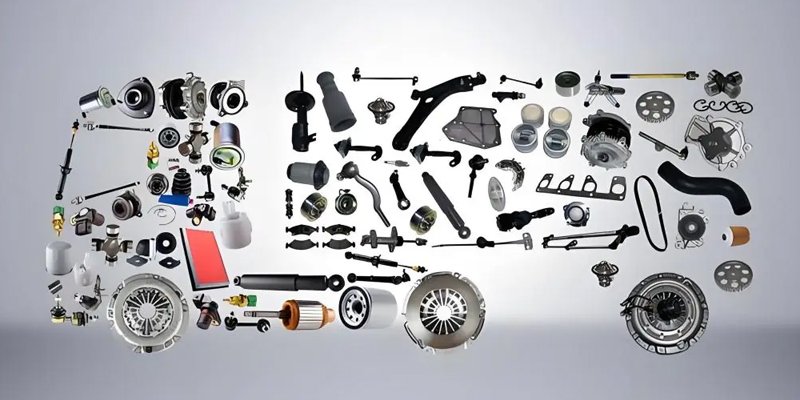
Low alloy steel MIM may be assessed for compact automotive mechanisms where geometry, wear, and production repeatability matter. Gear profiles, shift mechanisms, and selected actuator parts need a joint review of load, fatigue, heat treatment, dimensional stability, and end-use qualification.
Engineering checks: Load profile, fatigue life, heat-treatment distortion, wear surfaces, and safety classification.
Featured Product Keywords AUT / 04
AUT-01
Low Alloy Steel MIM Transmission Gears
Compact gear forms for selected transmission mechanisms.
AUT-02
MIM Automotive Shift Lever Parts
Small levers and link components for shift assemblies.
AUT-03
Low Alloy Steel Actuator Components
Functional parts for compact motion-control mechanisms.
AUT-04
MIM Automotive Lock Mechanism Parts
Cams, pawls, and related locking components.
DOSSIER 02 / TORQUE & REPEATED USE
Power Tools & Hand Tool Mechanisms
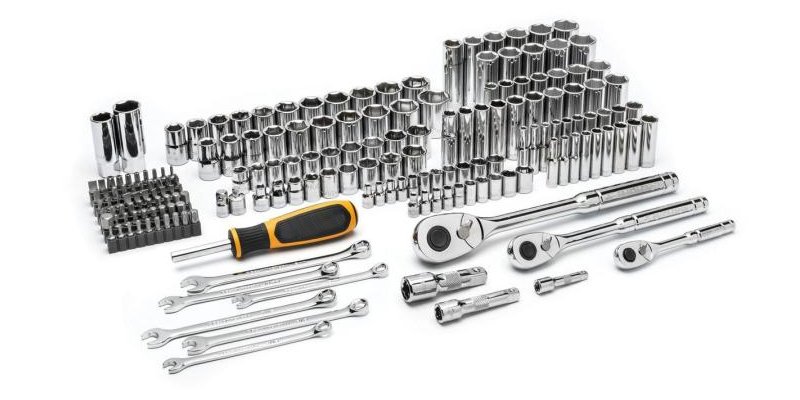
Power tools and hand tools contain compact drive and engagement parts that may benefit from molded complex geometry and subsequent heat treatment. Low alloy steel grades should be selected around torque, impact, tooth wear, toughness, and expected duty cycle.
Engineering checks: Torque, shock loading, hardness, tooth contact, lubrication, and post-treatment distortion.
Featured Product Keywords TOOL / 04
TOOL-01
Low Alloy Steel MIM Planetary Gears
Small gear components for compact drive systems.
TOOL-02
MIM Ratchet Pawls
Engagement parts for controlled one-way motion.
TOOL-03
Low Alloy Steel Drive Couplers
Compact torque-transfer components for tool assemblies.
TOOL-04
MIM Power Tool Trigger Linkages
Small levers and linkage parts for trigger mechanisms.
DOSSIER 03 / ACCESS CONTROL
Locks, Latches & Security Hardware
Lock and security assemblies often need compact components with detailed profiles, repeatable engagement, and resistance to contact wear. Low alloy steel MIM can be evaluated for cams, pawls, small gears, and latch parts where the selected alloy and heat treatment meet the functional specification.
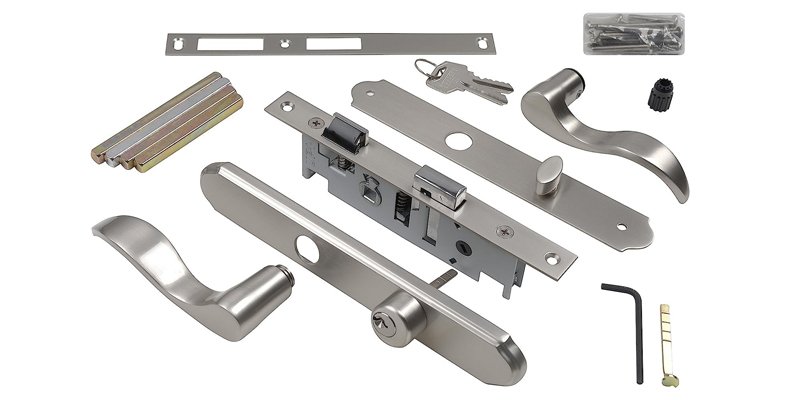
Engineering checks: Engagement accuracy, contact wear, hardness, torque transfer, and functional cycle testing.
Featured Product Keywords SEC / 04
SEC-01
Low Alloy Steel MIM Lock Cams
Profiled components for motion transfer inside locks.
SEC-02
MIM Lock Pawls
Small engagement components requiring wear evaluation.
SEC-03
Low Alloy Steel Locking Latches
Compact latch parts for security hardware assemblies.
SEC-04
MIM Security Mechanism Gears
Small gears for precision locking mechanisms.
DOSSIER 04 / MACHINE CONTROL
Industrial Automation & Robotics
Compact automation mechanisms can include links, gripper interfaces, cam followers, and actuator hardware. Low alloy steel MIM is worth evaluating where geometry is complex and production is repeatable; contact loads, fatigue, lubrication, and final fit need to be verified at assembly level.
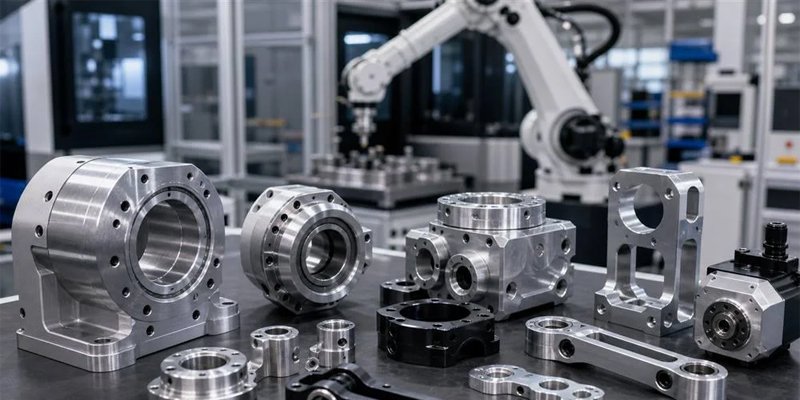
Engineering checks: Repeated cycles, interface tolerances, lubrication, load path, and assembly testing.
Featured Product Keywords AUTOMATION / 04
ROB-01
Low Alloy Steel MIM Gripper Links
Compact linkage parts for selected robotic grippers.
ROB-02
MIM Actuator Levers
Levers for motion-control and positioning assemblies.
ROB-03
Low Alloy Steel Cam Followers
Selected compact follower elements, subject to wear and fit review.
ROB-04
MIM Precision Linkage Brackets
Complex mounting and linkage interface components.
DOSSIER 05 / INDUSTRIAL MOTION
Machinery & Mechanical Drive Systems
Industrial machines use a broad range of compact drive and control parts. Low alloy steel MIM may be considered for small gears, clutch-related parts, pivots, and levers where molded complexity can reduce multi-step machining. Confirm stress, shock, friction, environment, and heat-treatment requirements before choosing the process.
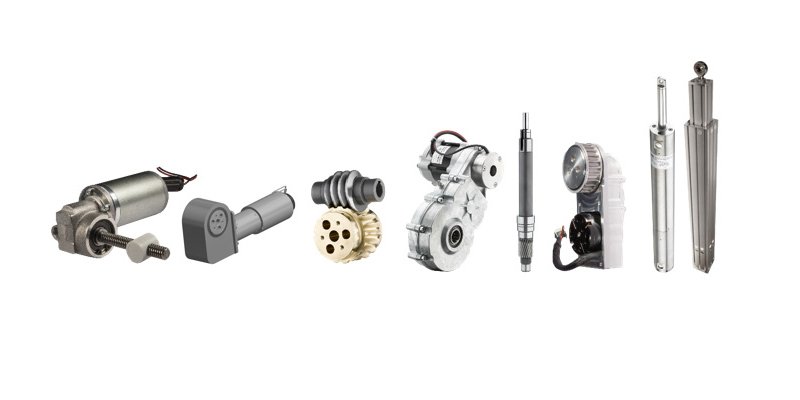
Engineering checks: Torque, impact, wear, thermal conditions, lubrication, and required service life.
Featured Product Keywords MACH / 04
MCH-01
Low Alloy Steel MIM Worm Gears
Compact gear geometry for selected drive and locking systems.
MCH-02
MIM Clutch Mechanism Parts
Small engagement and motion-transfer components.
MCH-03
Low Alloy Steel Pivot Components
Compact pivot and support elements for mechanical assemblies.
MCH-04
MIM Industrial Drive Levers
Levers and control links with detailed molded geometry.
MATERIAL & PROCESS PLANNING
Match Alloy, Heat Treatment, and Part Function
Low alloy steel is not one universal grade. Candidate systems may include MIM-adapted grades based on Fe-Ni, Fe-Cr-Mo, or other alloying combinations. Exact grade availability, density, mechanical properties, and heat-treatment response must be confirmed against supplier technical data and the applicable specification.
MIM 4140-Type Options
May be evaluated for balanced strength and toughness in selected gears, tools, and machine components.
MIM 4605 / Fe-Ni Options
May be considered for selected structural or automotive components; verify designation and properties with the supplier.
Heat Treatment
Carburizing, quenching, or tempering depends on alloy, target hardness, geometry, and dimensional-change allowance.
Project Roadmap: From Drawing to Qualified Part
Use the same review sequence for new OEM components and redesign projects.
01 / DEFINE
Application & Drawing
Share CAD, dimensions, load conditions, yearly volume, and target alloy.
02 / ASSESS
DFM & Tooling
Review moldability, shrinkage, critical interfaces, and secondary operations.
03 / PRODUCE
Molding & Sintering
Mold feedstock, debind, sinter, and apply agreed post-processing.
04 / VERIFY
Inspection & Approval
Confirm dimensional reports, material properties, functional tests, and acceptance criteria.
Low Alloy Steel MIM: Buyer Questions
What products are commonly considered for Low Alloy Steel MIM?
Typical candidates include compact gears, shift mechanism parts, ratchet pawls, lock cams, actuator levers, drive couplers, and selected industrial machine components. Suitability depends on size, geometry, material, volume, tolerance, and post-processing.
What are the benefits of low alloy steel in MIM?
Depending on alloy and process condition, low alloy steels can offer a useful combination of strength, toughness, wear performance, and heat-treatment response. Actual properties must be confirmed using grade-specific data and testing.
Can low alloy steel MIM parts be heat treated?
Some grades and component designs may support carburizing, quenching, tempering, or other specified treatments. The correct route depends on alloy chemistry, geometry, target properties, dimensional tolerances, and the manufacturer’s validated capability.
Is MIM always cheaper than CNC machining?
No. MIM tooling has an upfront cost and is usually most attractive when complex geometry and repeat production justify it. Simple parts, prototypes, low quantities, or components requiring extensive precision machining may be better made by CNC machining or another process.
What should I send for a Low Alloy Steel MIM quote?
Send a 2D drawing and 3D CAD model if available, alloy or property requirements, annual quantity, prototype needs, critical tolerances, working loads, heat-treatment targets, surface finish, and inspection requirements.
OEM / CUSTOM COMPONENT DEVELOPMENT
Have a Low Alloy Steel MIM Project?
Send your drawing and target requirements for a preliminary manufacturing review. The review should cover MIM feasibility, alloy options, tooling approach, heat treatment, critical dimensions, and inspection needs.
Prepare Your RFQ
- 2D drawing / 3D CAD file
- Alloy grade or target mechanical properties
- Prototype quantity and annual demand
- Heat treatment, finish, and tolerance requirements