What Is Stainless Steel MIM?
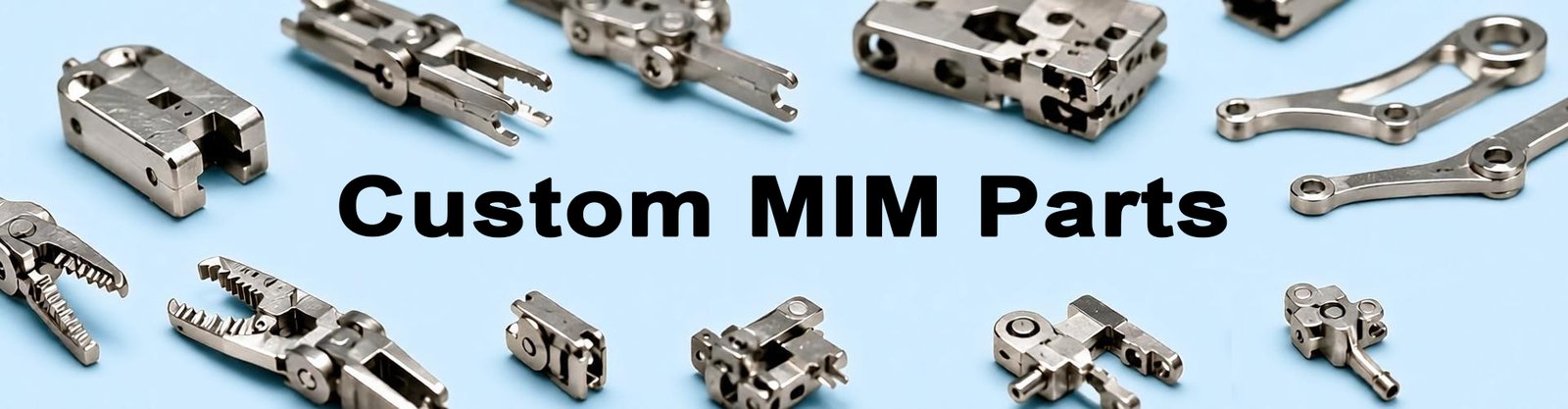
Stainless Steel MIM is a metal injection molding process that forms stainless steel powder feedstock into a molded shape, removes the binder, and sinters the part to achieve its final metal structure. It is commonly assessed for small, complex components used in medical and dental devices, automotive systems, electronics, locking mechanisms, and industrial equipment. Suitability depends on part geometry, stainless steel grade, target tolerances, expected production volume, post-processing, and quality requirements.
Find Your Component
Five Industry Pathways
Choose an industry to review typical stainless steel MIM component keywords. Final process suitability must be confirmed for each part.
INDUSTRY 01 / PRECISION INSTRUMENTS
Medical & Dental Stainless Steel MIM Components
Stainless steel MIM may be evaluated for compact instrument mechanisms and dental hardware where intricate shapes and repeatable production are important. Medical use requires project-specific material approval, cleaning and finishing controls, traceability, and validation.
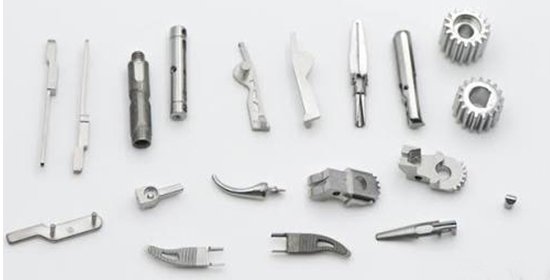
Material review: 316L or 17-4PH may be considered where appropriate; verify the grade and regulatory requirements for the specific device.
Featured Component Keywords
Four product targets + one supporting component term
MIM Surgical Instrument Jaws
Compact jaw and gripping components for instrument assemblies.
Stainless Steel Dental Brackets
Small formed hardware; confirm application-specific requirements.
MIM Endoscopic Instrument Parts
Miniature mechanism features for precision instruments.
Medical Device Locking Clips
Small retention or locking elements for device assemblies.
INDUSTRY 02 / MOBILITY SYSTEMS
Automotive Stainless Steel MIM Parts
Automotive programs may use stainless steel MIM for selected compact sensor, actuator, locking, and fluid-system components. Material grade, operating temperature, fatigue, corrosion exposure, and safety classification should be reviewed before production approval.
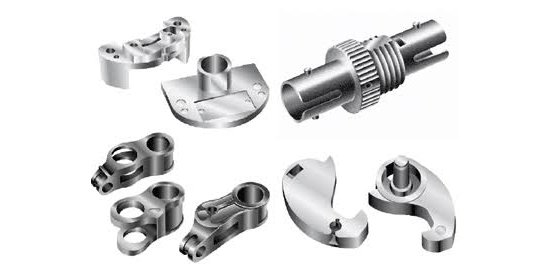
Engineering review: Define load, wear, temperature, corrosion exposure, dimensional tolerances, and validation requirements.
Featured Component Keywords
Four product targets + one supporting component term
MIM Automotive Sensor Housings
Compact protective or mounting components, subject to design review.
Stainless Steel Actuator Levers
Small linkage and actuation parts for mechanism assemblies.
MIM Automotive Lock Components
Compact cams, pawls, and related locking mechanism parts.
Stainless Steel Fluid Control Parts
Selected small valve or flow-control components.
INDUSTRY 03 / MINIATURIZED DEVICES
Consumer Electronics & Wearable MIM Components
For electronics and wearable products, stainless steel MIM may support miniature structural hardware, hinge mechanisms, buttons, and connector-related components. Cosmetic parts may need additional polishing, coating, or other finishing, with appearance and fit criteria agreed in advance.
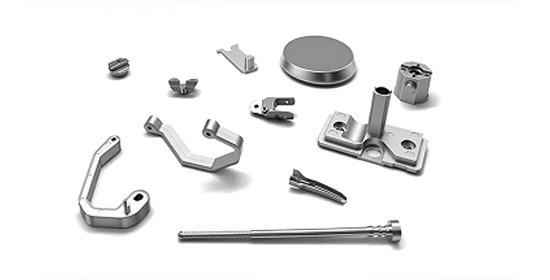
Design focus: Assembly fit, visible surface quality, fine features, corrosion resistance, and finishing compatibility.
Featured Component Keywords
Four product targets + one supporting component term
MIM Electronic Device Buttons
Small metal controls with defined tactile and surface requirements.
Stainless Steel Miniature Hinges
Compact hinge and pivot hardware for small device assemblies.
MIM Connector Components
Selected connector bodies or mechanical retention components.
Stainless Steel Watch Components
Small watch hardware requiring fit and finish review.
INDUSTRY 04 / ACCESS & SECURITY
Locking & Security Hardware
Locking and security assemblies often contain compact parts with intricate profiles and repeated contact surfaces. Stainless steel MIM may be considered for selected cams, pawls, latches, and lock mechanism components when wear, strength, corrosion, and dimensional needs are compatible with the selected grade and process.
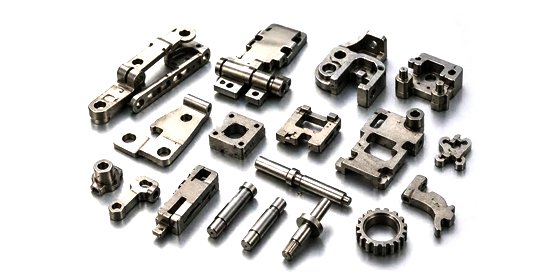
Design focus: Engagement geometry, wear surfaces, torque or load, hardness targets, and functional testing.
Featured Component Keywords
Four product targets + one supporting component term
MIM Lock Cams
Profiled motion-transfer components for locking assemblies.
Stainless Steel Lock Pawls
Engagement parts requiring wear and strength evaluation.
MIM Locking Latches
Compact latch elements for security and access products.
Precision Lock Mechanism Gears
Small transmission parts for compact locking mechanisms.
INDUSTRY 05 / MOTION & CONTROL
Industrial Equipment & Automation
Industrial equipment may use stainless steel MIM for selected compact fluid-control parts, levers, gripper fingers, and mechanical interfaces. The best route depends on operating media, pressure, temperature, load, corrosion exposure, dimensional tolerances, and whether sealing surfaces require secondary machining.
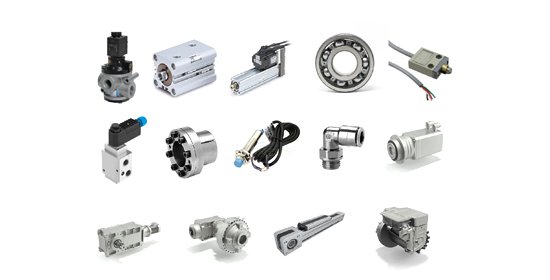
Design focus: Media compatibility, pressure and load conditions, sealing interfaces, wear, and inspection requirements.
Featured Component Keywords
Four product targets + one supporting component term
Stainless Steel MIM Valve Components
Selected valve internals and control elements; pressure suitability must be verified.
MIM Pump Mechanism Parts
Compact internal parts for suitable pump assemblies.
Stainless Steel Gripper Fingers
Small end-effector parts for selected automation applications.
MIM Industrial Actuator Levers
Compact linkage parts for control and motion systems.
ENGINEERING CHECKPOINT
Choose the Stainless Steel Grade by Function
A material name alone does not establish suitability. The final grade and process condition should be selected against the drawing, environment, mechanical requirements, and relevant standards.
316L Stainless Steel
Often reviewed for corrosion resistance and selected medical, fluid-contact, or consumer applications.
17-4PH Stainless Steel
Often reviewed where higher strength is required, subject to heat treatment and property verification.
420 / 440C Stainless Steel
May be considered for selected wear-related applications where hardening and corrosion needs are balanced.
These are preliminary material guidelines and do not guarantee performance. Please confirm with us the available MIM grades, applicable specifications, sintering conditions, heat treatment requirements and testing requirements.
From CAD Drawing to Production Part
A project-specific review helps determine whether Stainless Steel MIM is a practical manufacturing route.
STEP 01
Drawing Review
Review 2D drawings, 3D CAD, dimensions, critical features, and annual demand.
STEP 02
DFM & Tooling
Assess moldability, shrinkage allowance, tooling concept, and secondary operations.
STEP 03
Molding & Sintering
Form the feedstock, remove binder, sinter, and control process variation.
STEP 04
Finish & Inspect
Apply agreed finishing and verify critical dimensions and acceptance criteria.
Stainless Steel MIM: Frequently Asked Questions
Which products are suitable for Stainless Steel MIM?
Small, complex components with repeat-production demand are common candidates, including selected gears, cams, latches, brackets, instrument components, connector hardware, and compact mechanical parts. Suitability depends on geometry, alloy, tolerances, volume, and finishing needs.
Which stainless steel grades can be used for MIM?
Available grades vary by manufacturer and feedstock system. 316L, 17-4PH, and selected martensitic stainless steels such as 420 or 440C are common starting points for discussion. Confirm the exact grade, standard, final condition, and required test data with the supplier.
Can Stainless Steel MIM replace CNC machining?
Sometimes. MIM may reduce machining and assembly for complex shapes at suitable production volumes, but simple parts, low quantities, very large components, or parts with extensive tight-tolerance surfaces may be better suited to CNC machining or another process. A cost and design review is recommended.
What information should be included in an MIM RFQ?
Provide a 2D drawing and 3D CAD file if available, preferred stainless steel grade, annual quantity, prototype needs, critical dimensions and tolerances, surface finish, operating environment, inspection criteria, and any required industry documentation.
Does a medical or automotive application automatically qualify for MIM?
No. Industry use does not establish process suitability or regulatory compliance. Material, validation, traceability, inspection, and customer-specific requirements must be assessed for each application.
START YOUR PROJECT
Have a Stainless Steel MIM Part to Develop?
Send your component drawing, CAD model, target material, estimated quantity, and key requirements. Your project can then be reviewed for MIM feasibility, tooling considerations, finishing, and inspection scope.
Request a Manufacturing Review
- 2D drawing / 3D CAD file
- Stainless steel grade or material guidance
- Prototype quantity and annual demand
- Critical dimensions and finishing requirements