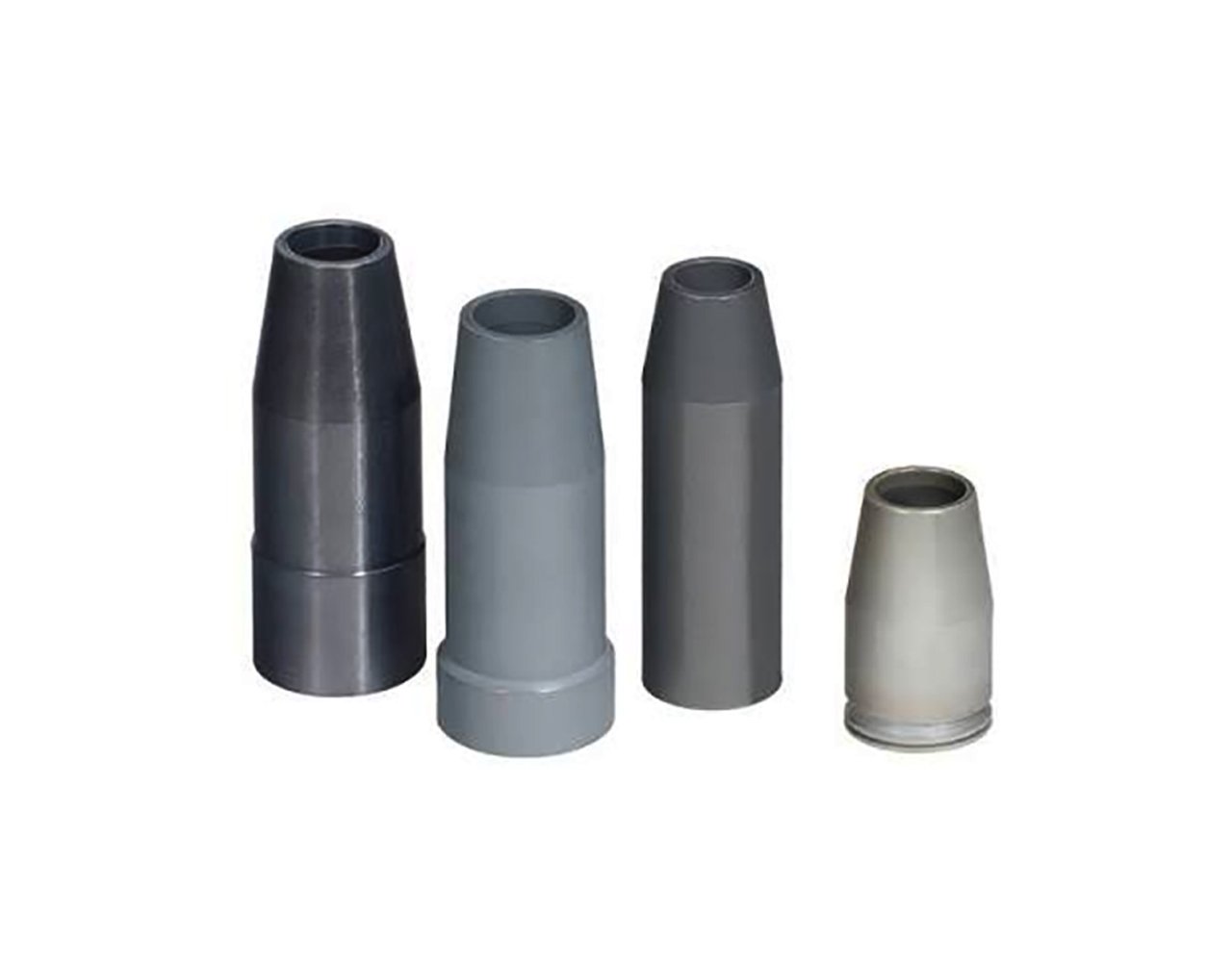
Silicon Nitride MIG/MAG Welding Gas Nozzle
A ceramic gas nozzle for compatible MIG/MAG welding equipment. The bore, outer profile, and mounting interface should match the torch assembly and required gas coverage.
Phone:+86867676**** Email: sales@mimcustom.com
AOFE | Advanced Silicon Nitride Ceramics
Discover silicon nitride ceramic nozzles for industrial welding, abrasive blasting, selected molten metal handling, and precision spray or flow-control systems. Explore product types, review application requirements, and submit your specifications for a technical assessment.
A silicon nitride nozzle is a technical ceramic component that guides gas, liquid, abrasive media, solder, or another process medium through a defined passage. Silicon nitride (Si₃N₄) may be selected for demanding applications because suitable grades offer a combination of mechanical strength, wear resistance, fracture toughness, and thermal shock resistance.
The nozzle’s bore profile, outlet geometry, surface finish, mounting interface, and material grade all influence its performance. A welding gas nozzle, abrasive blasting nozzle, and molten metal nozzle have different design requirements and should not be treated as interchangeable components.
AOFE’s Silicon Nitride Nozzles category is organized around four application-oriented product groups. Buyers can use this page to identify a relevant product keyword, review its intended function, and provide the engineering details needed for a quotation.
PRODUCT FINDER
Choose the application group that best matches your equipment and process.
APPLICATION A / CATEGORY 01
Silicon nitride welding nozzles are used in compatible welding systems to guide shielding gas around the welding zone. Their design can help maintain a consistent gas passage and reduce the buildup of welding spatter compared with certain conventional nozzle materials.
These ceramic components are relevant to automated welding cells and production lines where nozzle cleanliness, repeatable positioning, and reduced maintenance interruptions are important.
Typical industries: Automotive manufacturing; metal fabrication and welding; heavy equipment manufacturing.
A ceramic gas nozzle for compatible MIG/MAG welding equipment. The bore, outer profile, and mounting interface should match the torch assembly and required gas coverage.
Designed for review with automated welding systems where positioning repeatability, nozzle clearance, spatter exposure, and service access affect production maintenance.
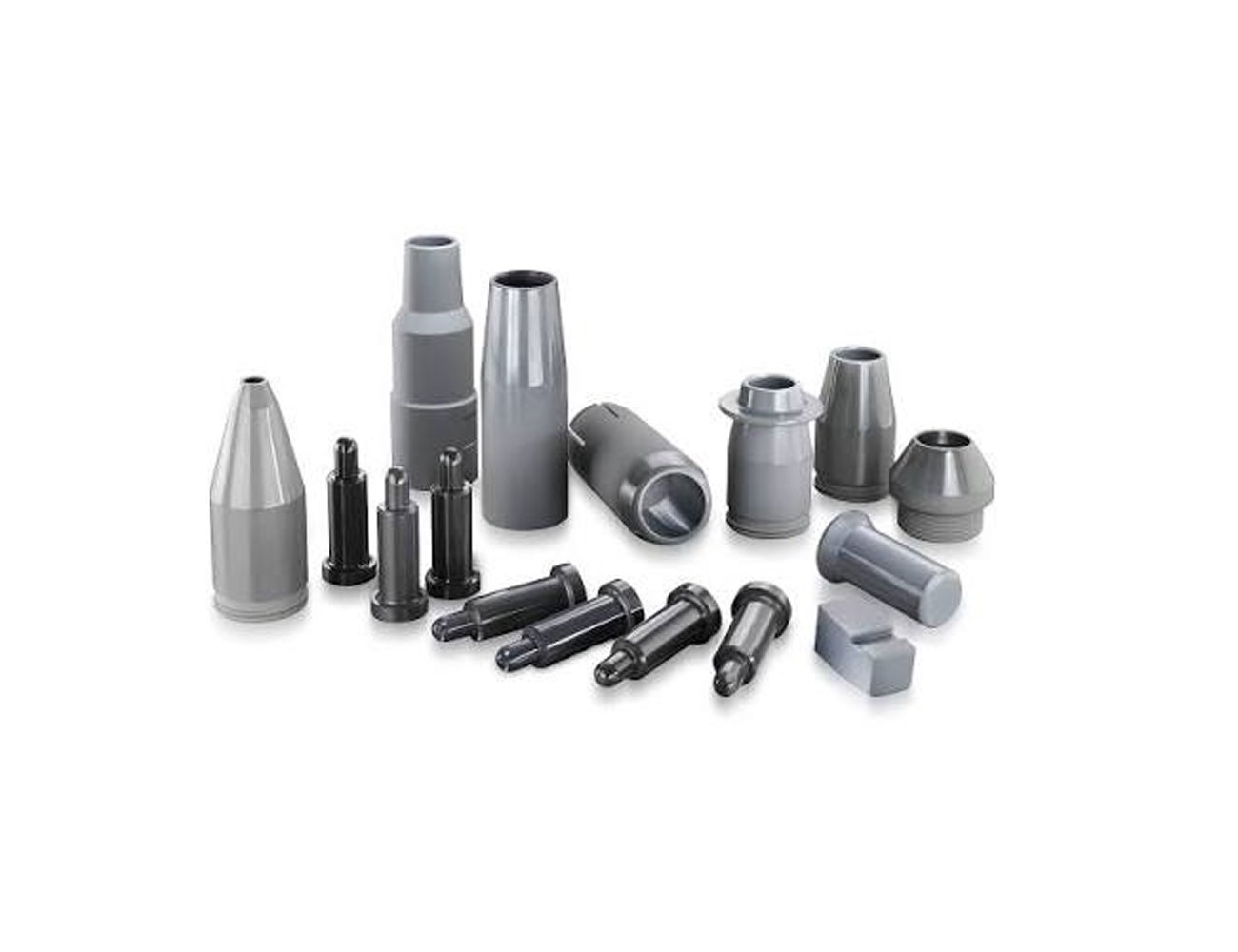
A drawing-based ceramic nozzle option for specific torch geometries. Provide the equipment model, interface dimensions, gas passage, and quantity for a feasibility review.
APPLICATION B / CATEGORY 02
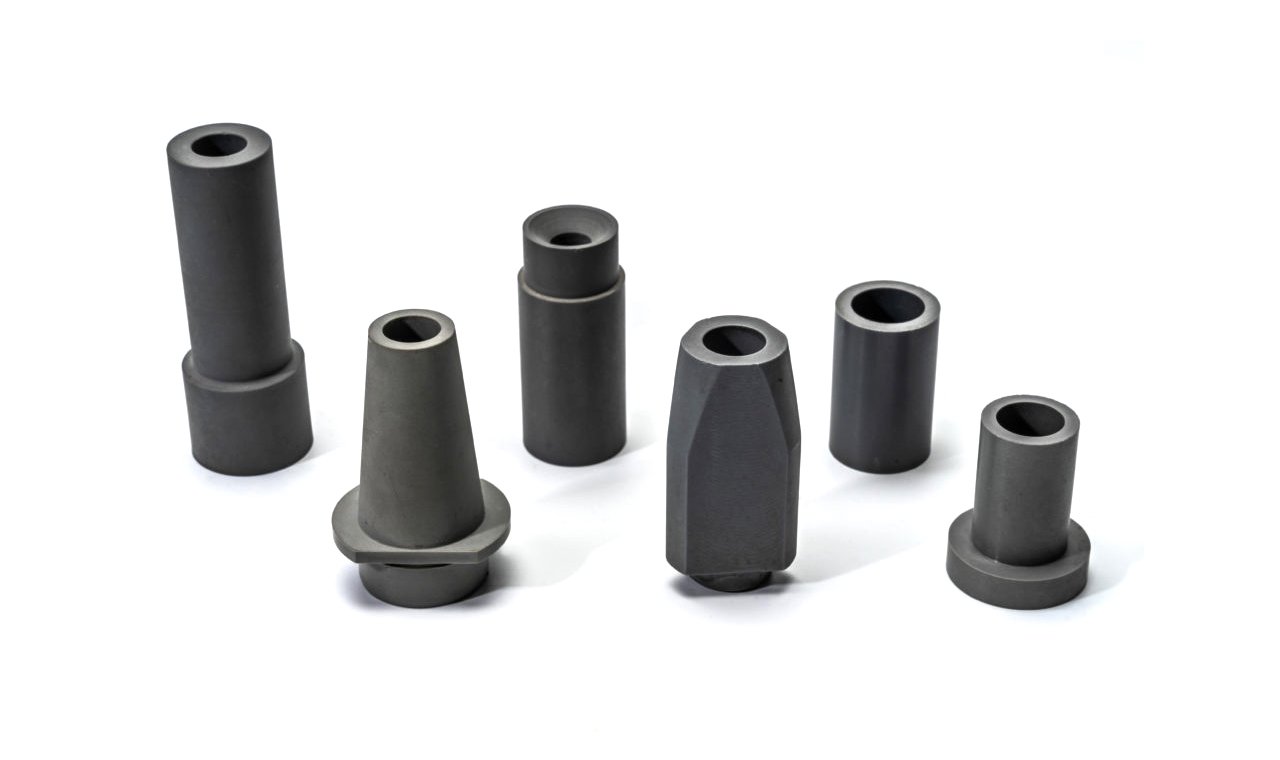
Silicon nitride abrasive blasting nozzles or nozzle liners guide abrasive media at high velocity during surface preparation. Suitable silicon nitride grades offer wear resistance and fracture toughness, making them candidates for demanding wet or dry blasting applications.
Nozzle performance depends on the abrasive type, particle size, operating pressure, bore profile, outlet condition, and nozzle-holder design. Straight-bore and Venturi-style products serve different flow and coverage requirements.
Typical industries: Metal surface preparation; protective coating and corrosion control; stone, glass, and ceramic processing.
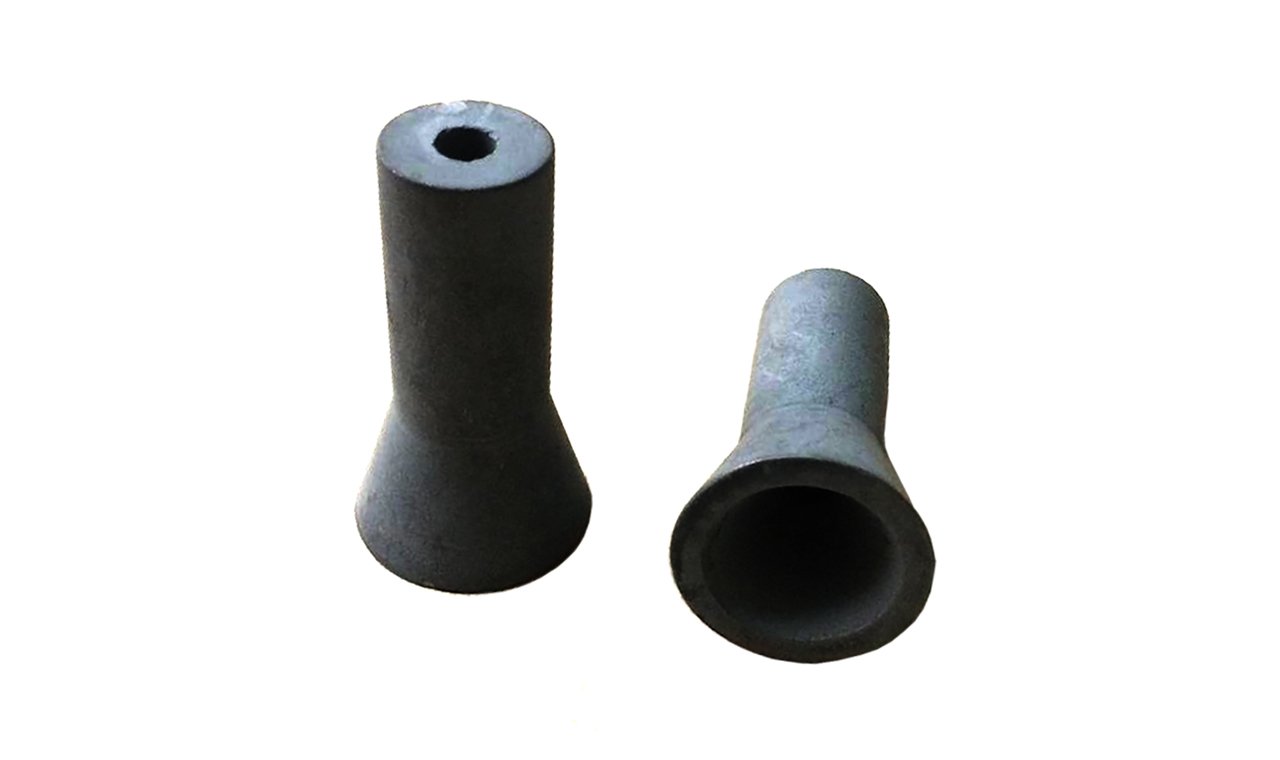
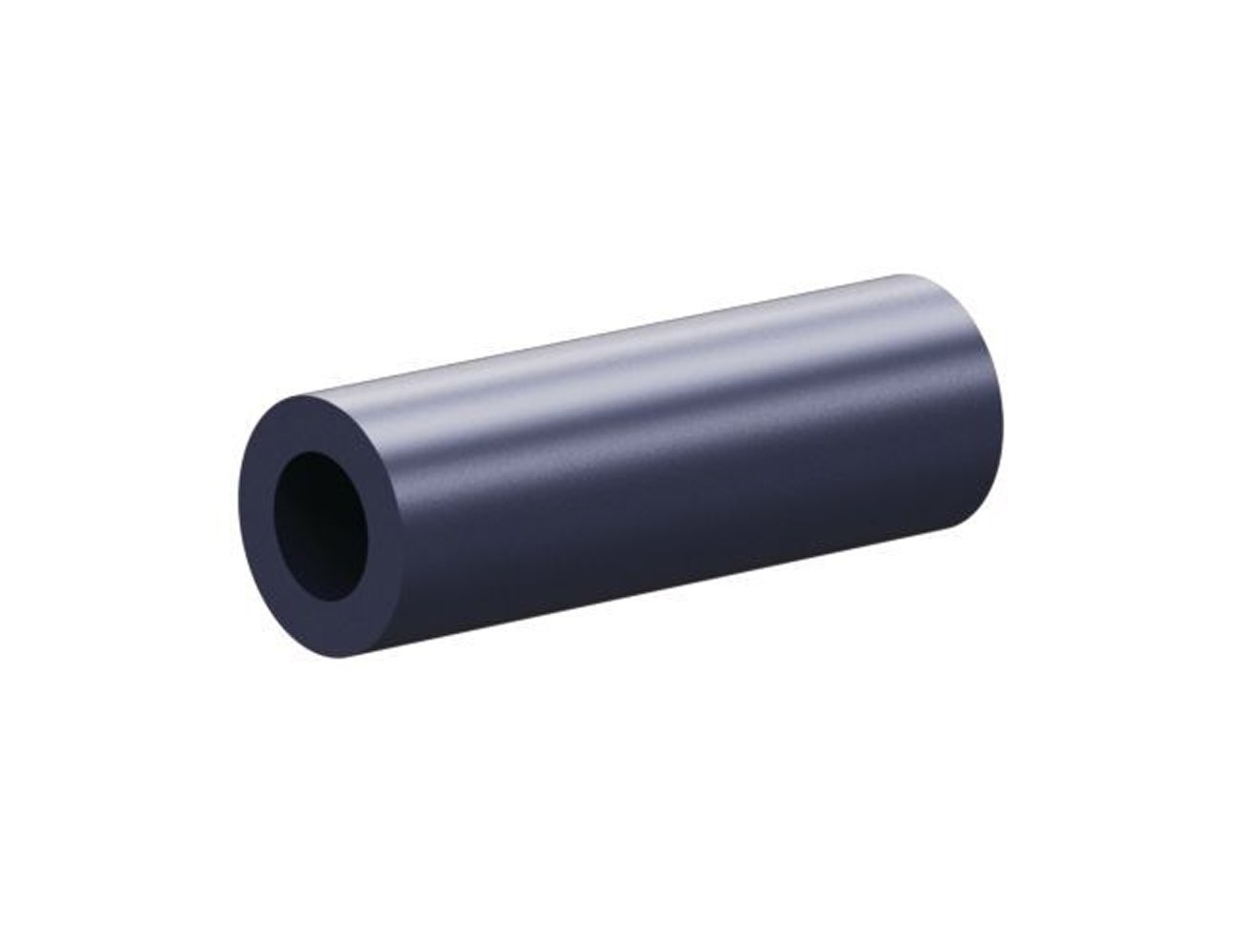
A straight passage design for concentrated abrasive flow and targeted surface preparation. Select bore size, length, and interface according to the blasting equipment and media.
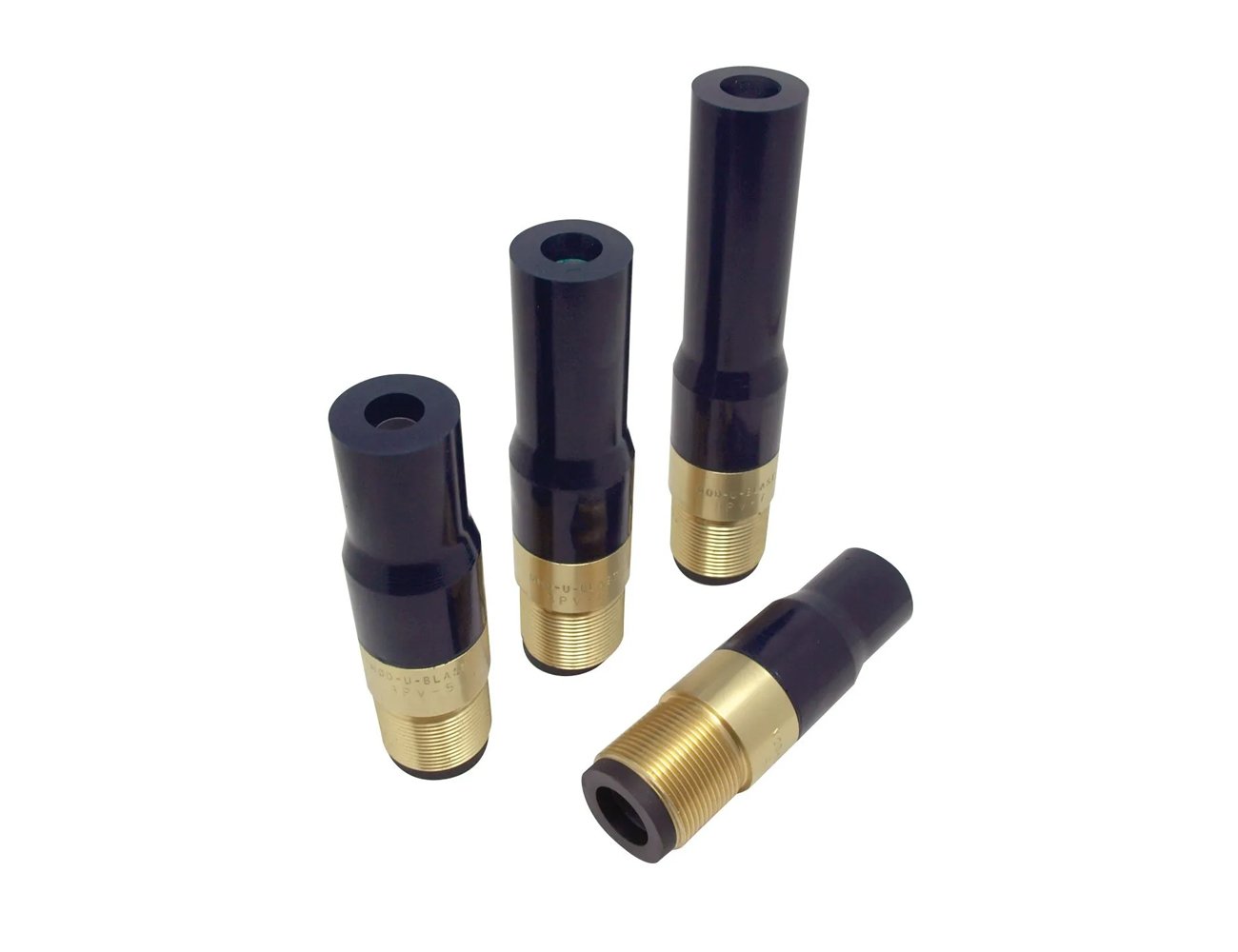
A shaped-bore nozzle for compatible blasting systems requiring an expanded discharge profile. Confirm inlet size, orifice diameter, overall length, pressure, and holder compatibility.
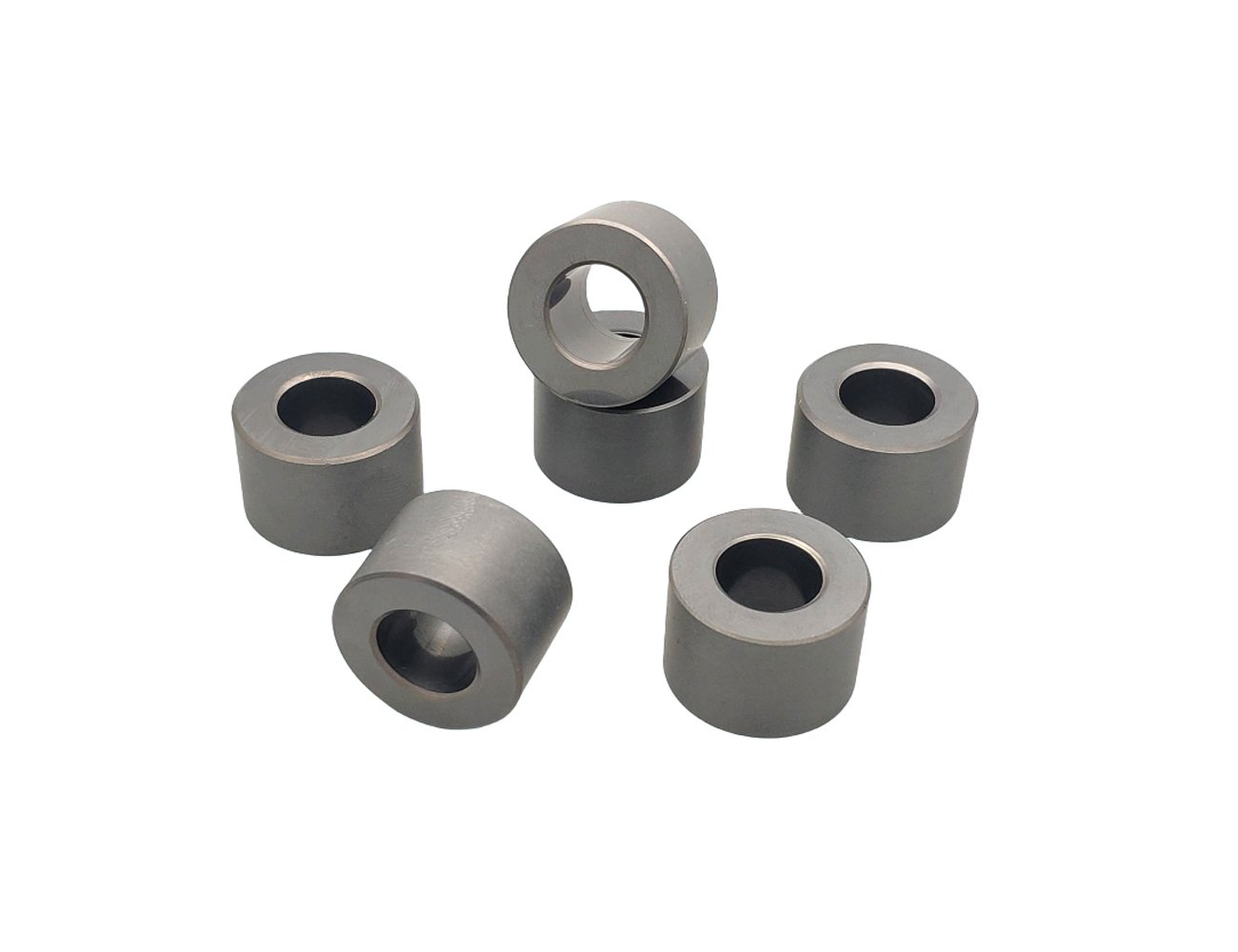
A ceramic liner component for compatible nozzle assemblies. The liner geometry and outer interface must match the nozzle jacket or holder to ensure proper fit and mechanical support.
APPLICATION C / CATEGORY 03
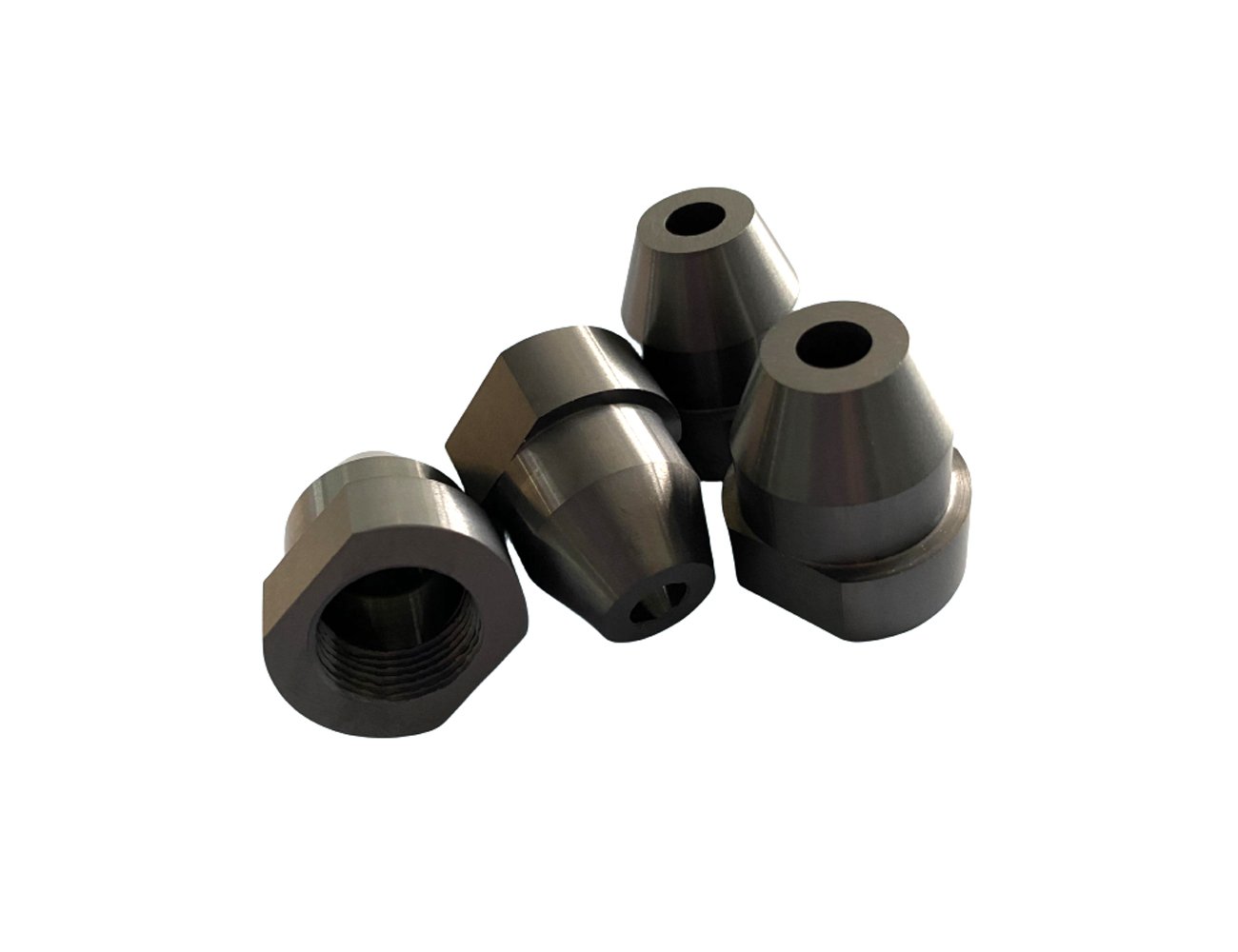
Silicon nitride molten metal nozzles are application-specific ceramic components used to guide or discharge molten metal in compatible casting and metal-handling systems. Their potential value lies in the combination of high-temperature capability, thermal shock resistance, and suitable molten-metal compatibility for the selected material grade.
Nozzle design must account for the alloy composition, metal temperature, contact time, flow rate, thermal cycling, and the possibility of erosion or chemical interaction. The suitability of silicon nitride must be confirmed for the actual process rather than assumed for every molten metal.
Potential industries: Aluminum die casting; non-ferrous metal foundries; metallurgical and metal-processing equipment.
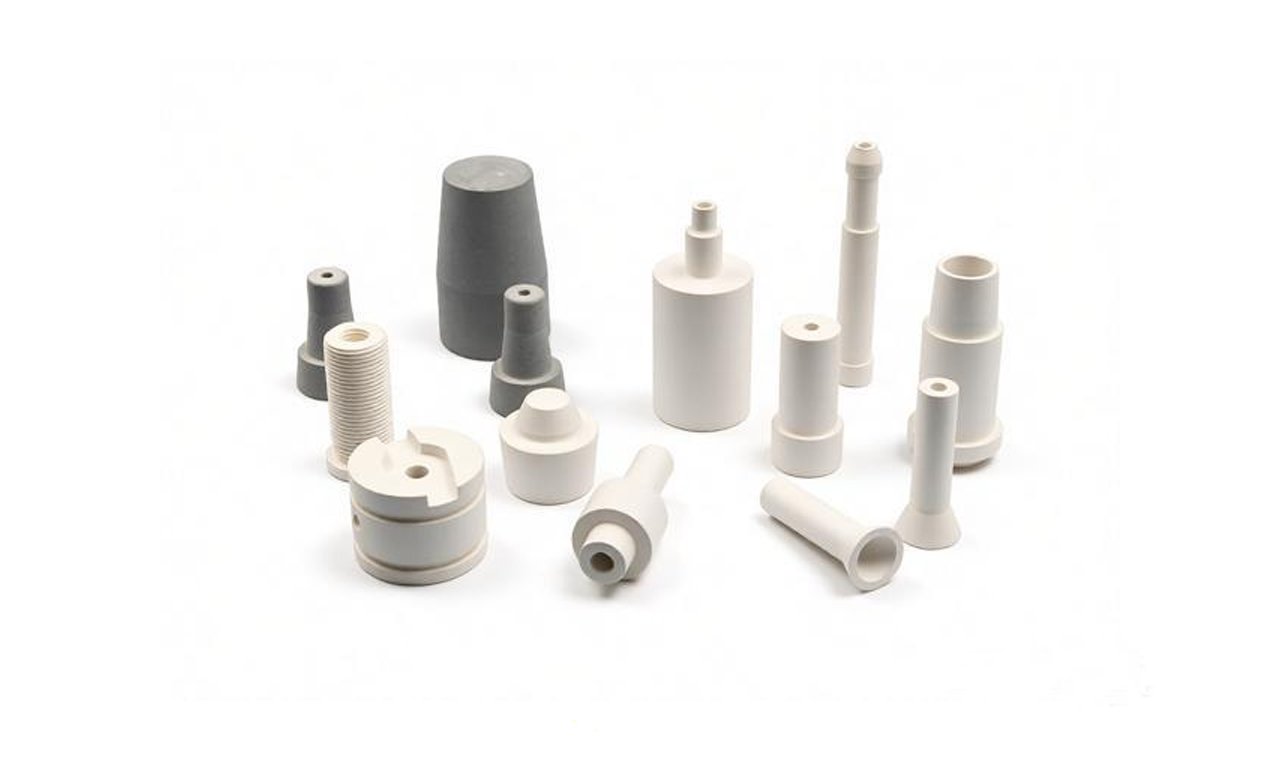
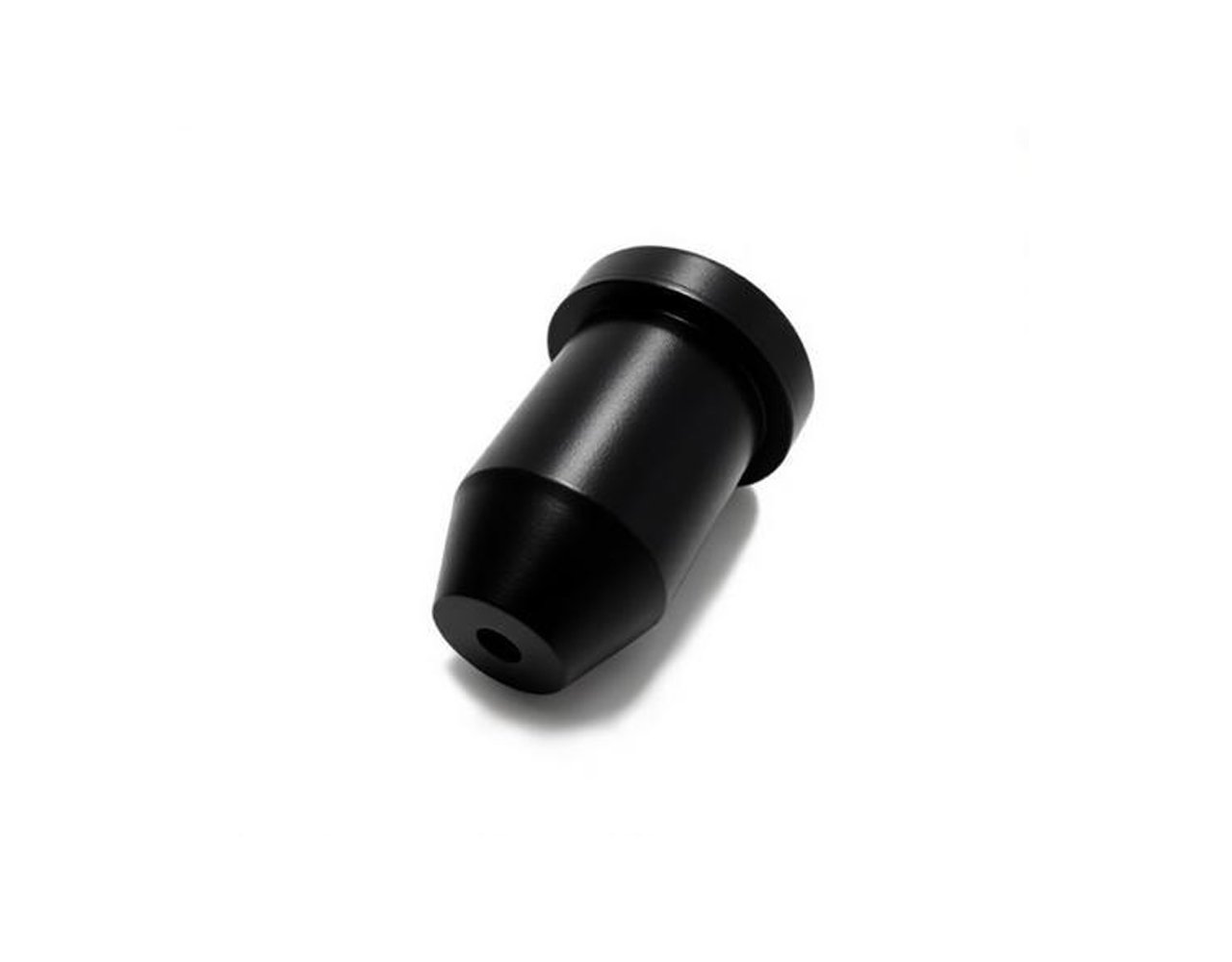
A ceramic flow component for selected aluminum handling conditions. Confirm alloy composition, temperature, contact time, flow path, and mounting arrangement before specifying a grade.
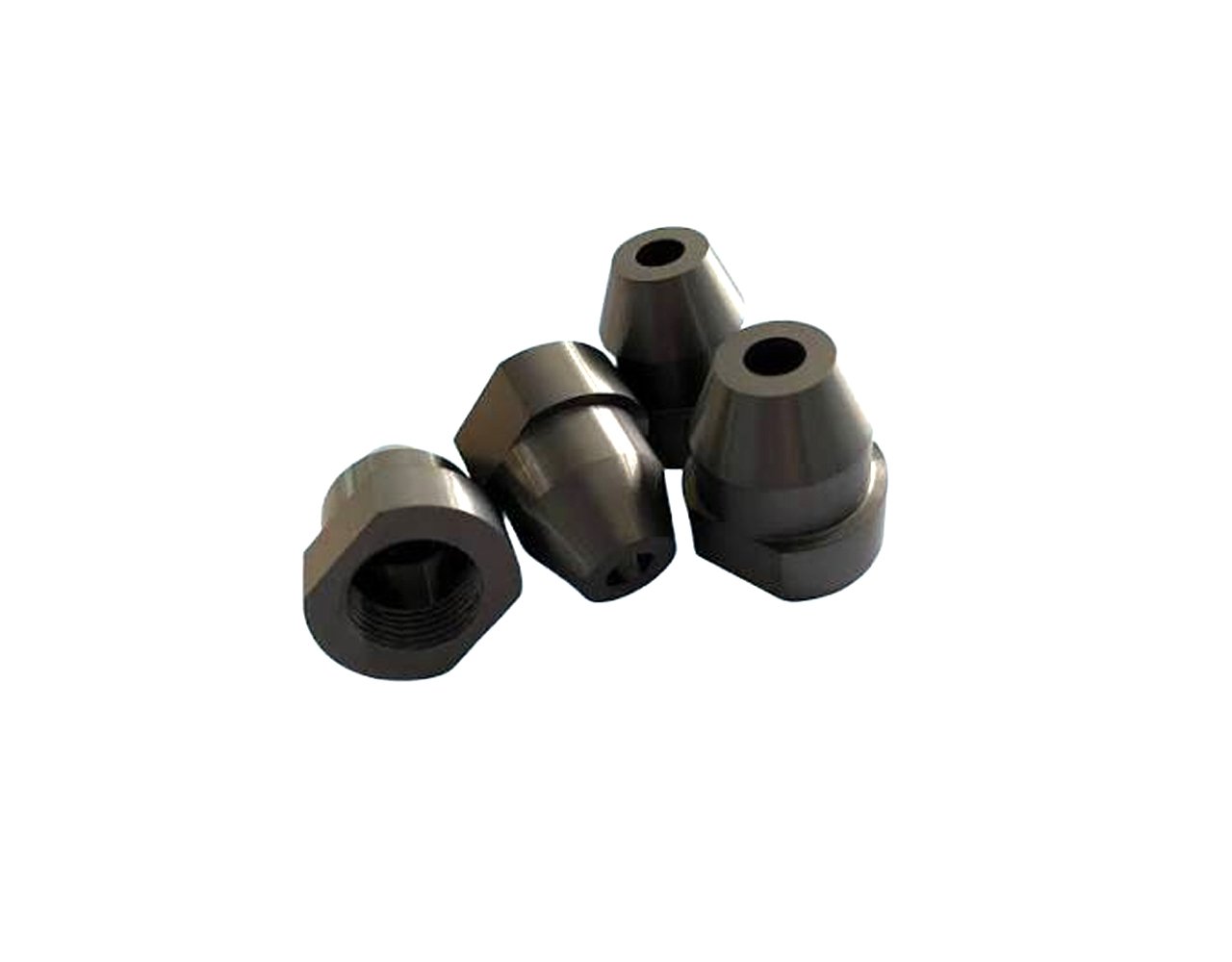
Designed for review with compatible casting equipment that requires a defined outlet and flow passage. Specify flow rate, operating cycle, inlet and outlet geometry, and support conditions.
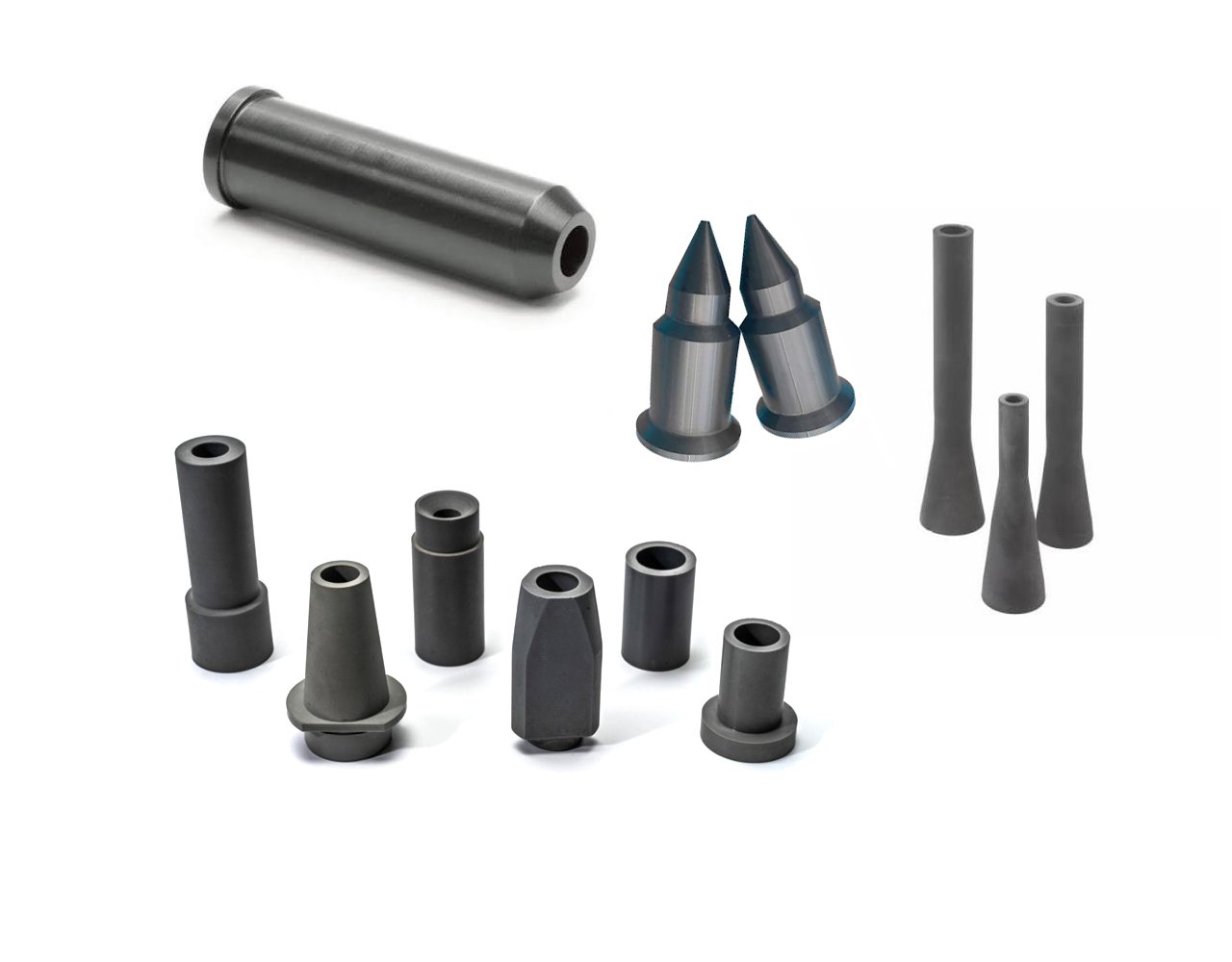
A drawing-based nozzle option for specific non-ferrous metal handling systems. Provide alloy details, working temperature, dimensions, mounting features, and expected production quantity for review.
APPLICATION D / CATEGORY 04
Precision spray and flow-control nozzles are designed to direct or meter a process stream through a defined orifice or internal passage. Silicon nitride may be considered when the application requires a ceramic component with wear resistance, strength, or thermal stability.
This category is best treated as a custom engineering group. Gas, liquid, powder, heated media, and corrosive process streams have different compatibility requirements. Bore geometry, surface finish, pressure, flow rate, and the process medium must be evaluated together.
Potential industries: Industrial spray and coating systems; selected chemical and process equipment; specialized semiconductor and electronics equipment where material compatibility is confirmed.
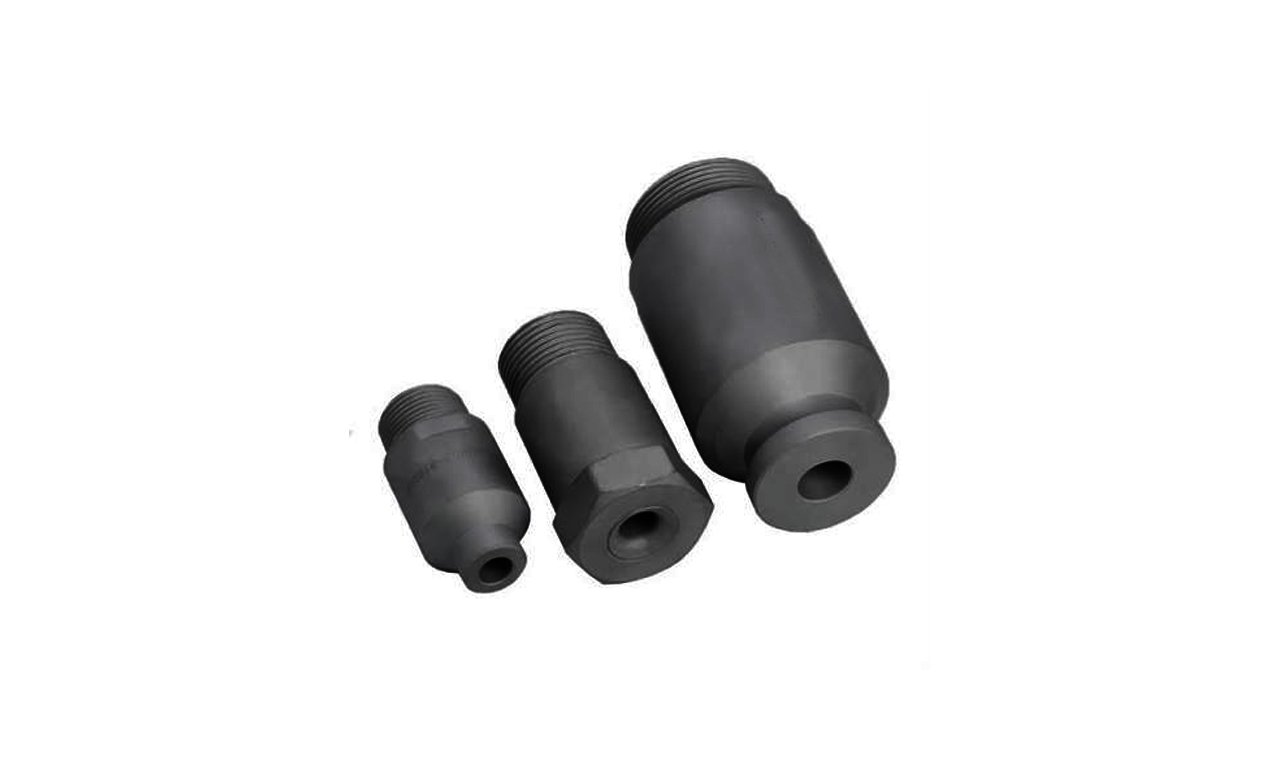
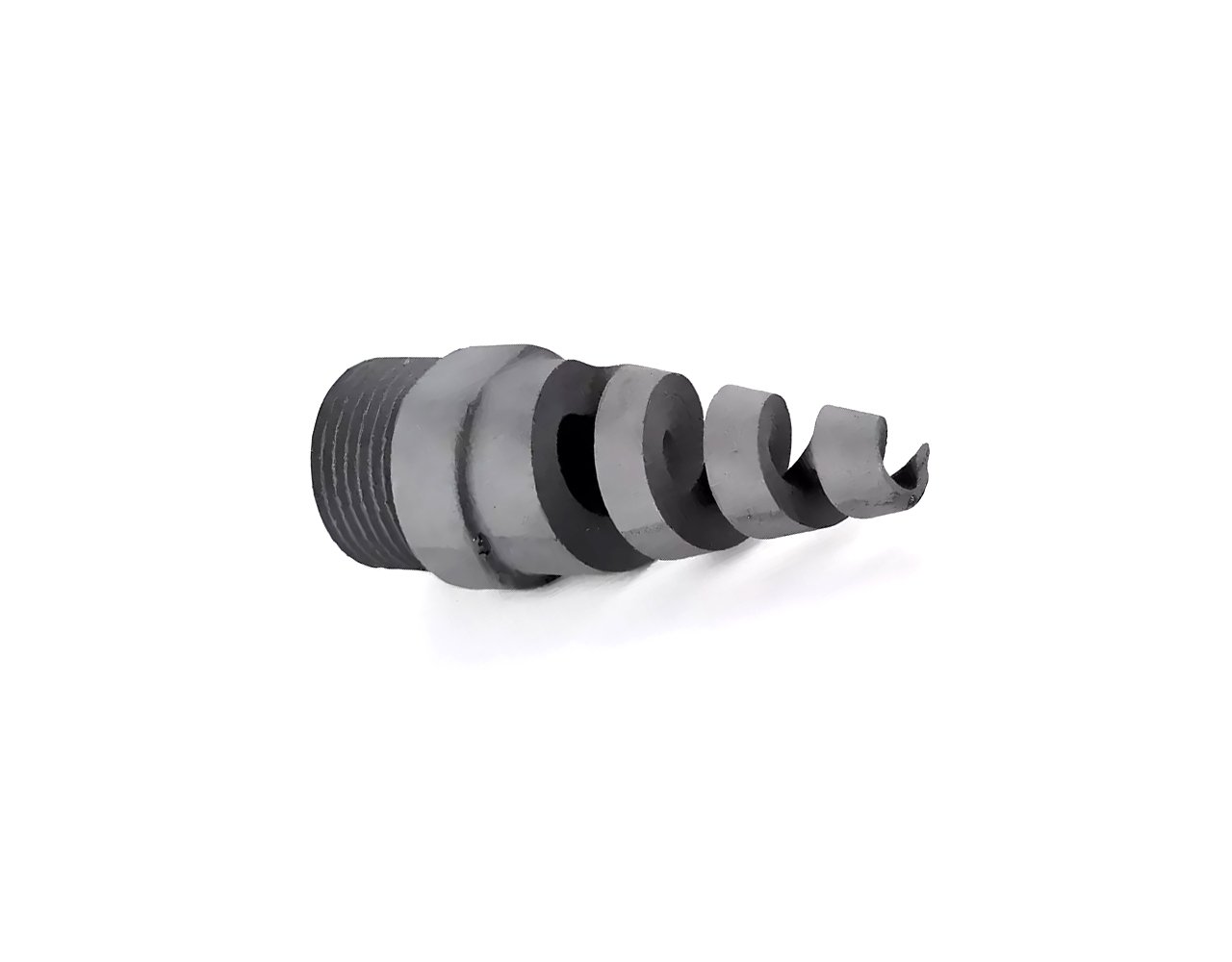
A ceramic nozzle for a defined spray or discharge pattern. Specify the process medium, pressure, target flow rate, bore diameter, and required spray characteristics.
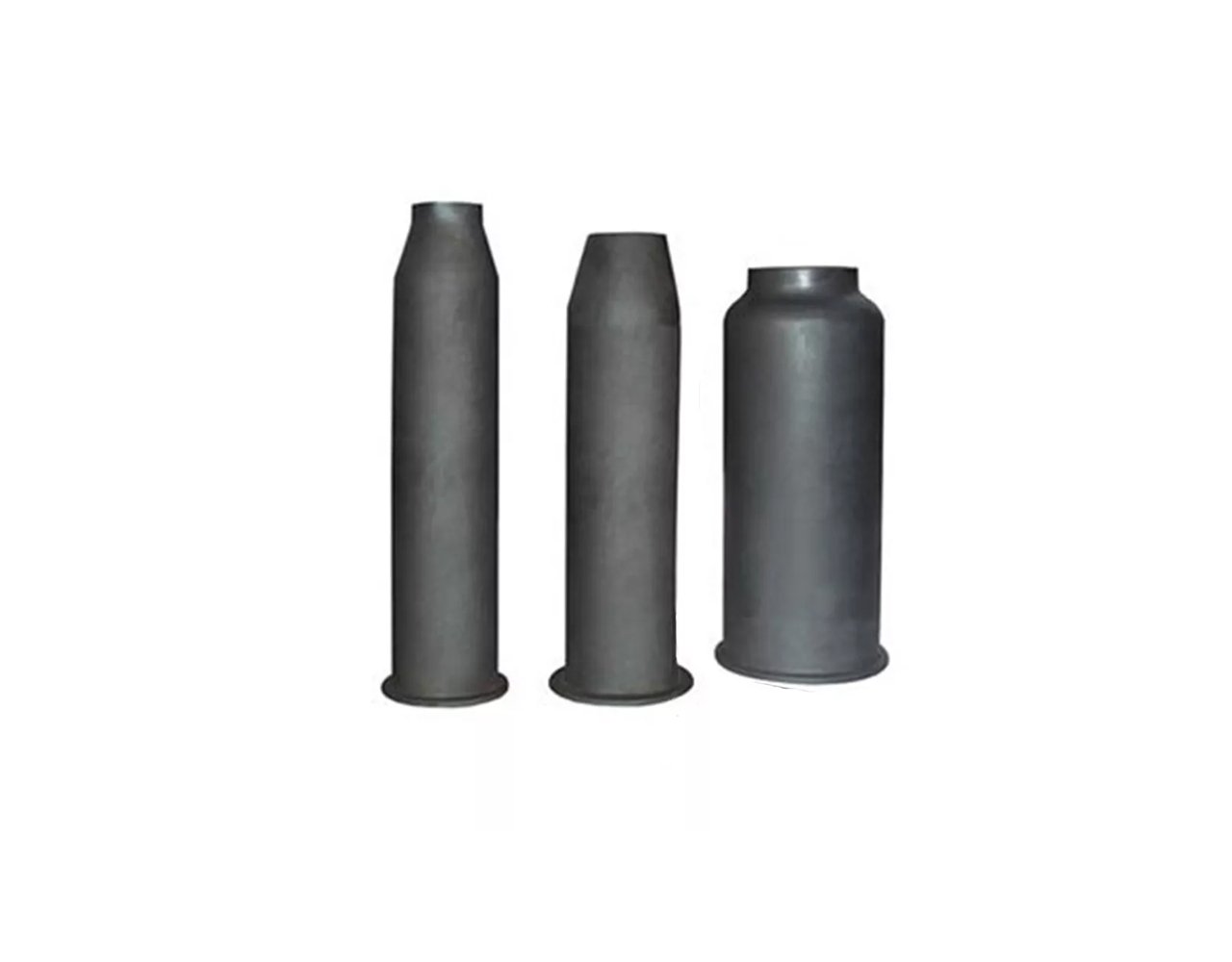
A precision flow component for compatible gas delivery equipment. Internal geometry, outlet edge, flow direction, and mounting fit should be defined by the equipment requirements.
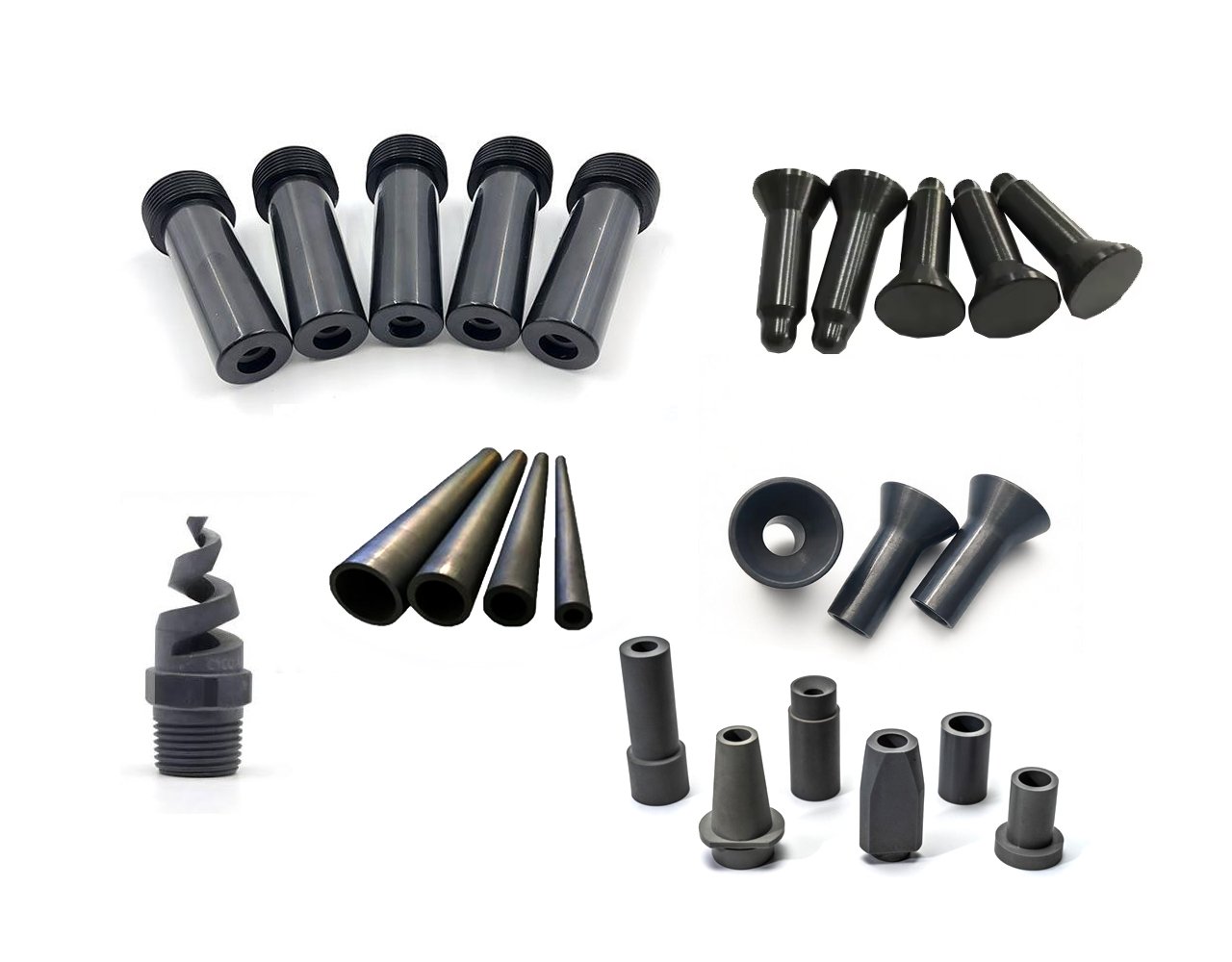
A drawing-based ceramic nozzle for specialized flow equipment. Share the media properties, inlet and outlet dimensions, operating pressure, flow requirement, and tolerance specifications.
ENGINEERING DECISION GUIDE
A suitable silicon nitride nozzle is not defined by material alone. The following design variables should be reviewed together before a product is specified.
| Design Variable | Why It Matters | Information to Provide |
|---|---|---|
| Bore Geometry | Influences flow direction, pressure loss, jet profile, and media acceleration. | Straight, tapered, Venturi, stepped, or custom profile. |
| Material Grade | Affects strength, thermal shock behavior, wear, and process compatibility. | Required properties, operating temperature, media, and environment. |
| Outlet and Surface | Affects edge durability, deposition, and repeatability of the discharge. | Outlet shape, edge chamfer, surface finish, and inspection criteria. |
| Mounting Interface | Helps prevent poor fit and excessive mechanical stress on the ceramic. | Thread, seat, sleeve, holder dimensions, and sealing arrangement. |
| Operating Conditions | Determines suitability under wear, heat, pressure, and chemical exposure. | Media, temperature, pressure, flow rate, duty cycle, and service life target. |
Final material selection, dimensional tolerances, and performance limits should be confirmed for the specific design and manufacturing route.
FROM REQUIREMENT TO COMPONENT
A clear specification helps the engineering and production teams assess feasibility before the project moves forward.
PHASE 01
Identify the process medium, working conditions, equipment, and required nozzle function.
PHASE 02
Review bore profile, dimensions, tolerances, outlet geometry, and mounting interface.
PHASE 03
Evaluate grade suitability and the feasibility of forming, sintering, and finishing.
PHASE 04
Confirm commercial scope, inspection requirements, quantity, and delivery expectations.
The exact manufacturing steps, inspection methods, and available tolerances depend on the product design and confirmed factory capabilities.
Depending on the design and material grade, silicon nitride nozzles can be used in compatible welding gas systems, abrasive blasting equipment, selected molten metal handling processes, and precision spray or flow-control applications.
Suitable silicon nitride grades offer high-temperature strength and thermal shock resistance. In welding gas nozzle applications, their surface characteristics can also help reduce the adhesion of welding spatter compared with certain conventional materials.
Blasting nozzle designs can include straight-bore and Venturi configurations, while other geometries may be available depending on the supplier and design. Confirm the required bore, orifice size, length, inlet, and holder interface before ordering.
Certain silicon nitride grades may be suitable for selected molten aluminum applications. Suitability depends on alloy chemistry, temperature, contact time, surface condition, flow design, and thermal cycling. Technical confirmation is required before use.
A drawing-based inquiry should include the nozzle’s overall dimensions, internal bore, outlet profile, tolerances, mounting interface, operating medium, and target quantity. The specific product’s manufacturability and available production capability should be confirmed with AOFE.
Provide a 2D drawing or CAD file when available, material requirements, bore diameter, outside dimensions, tolerances, outlet shape, mounting details, process medium, temperature, pressure, expected quantity, and inspection requirements.
CUSTOM CERAMIC NOZZLE INQUIRIES
Send your drawing, sample information, operating conditions, required quantity, and target specifications for a preliminary review of material suitability and manufacturing feasibility.