Material Overview
What Is Zirconia Ceramic?
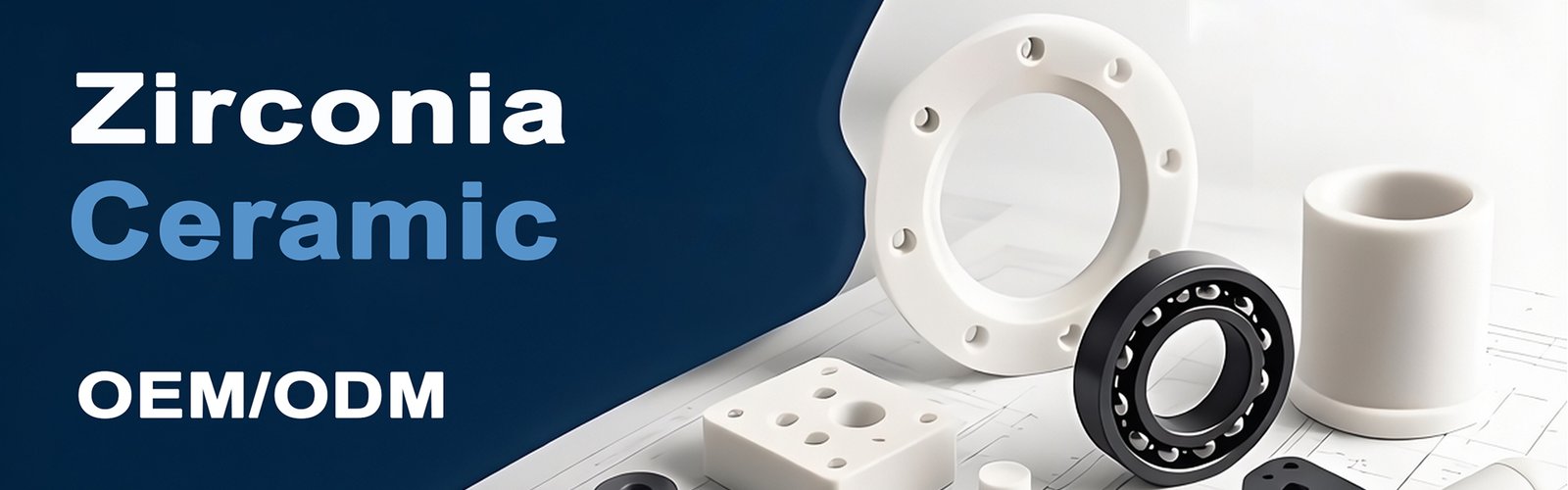
Zirconia ceramic, also known as zirconium oxide ceramic (ZrO₂), is an advanced engineering ceramic used to manufacture precision components for demanding mechanical and industrial applications. Depending on the selected grade and manufacturing route, zirconia can offer a useful combination of strength, fracture toughness, wear resistance, chemical stability, and electrical insulation.
Common industrial forms include bearing elements, ceramic tubes, rods, shafts, sleeves, valve seats, pump plungers, sealing components, and custom-machined parts. The appropriate zirconia grade should be selected according to load, contact conditions, temperature, chemical exposure, and required dimensional accuracy.
Find Your Component
Five Zirconia Ceramic Product Families
Navigate by component geometry or equipment function. Each product family includes common search terms and inquiry links for product-specific requirements.
01 / ROTATIONZirconia Ceramic BearingsBalls, rollers, bushings and bearing assemblies →02 / FORM FACTORSTubes & RodsHollow tubes, solid rods, shafts and pins →03 / CUSTOM GEOMETRYParts & ComponentsSleeves, pins, plungers and precision parts →04 / FLUID CONTROLValves & Pump ComponentsSeats, balls, plungers and sealing parts →05 / SERVICE LIFEWear PartsGuides, liners, nozzles and wear inserts →
FAMILY 01 / ROTATIONAL MOTION
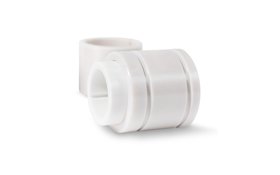
Zirconia Ceramic Bearings
Zirconia bearing products are considered for applications that require a combination of corrosion resistance, wear performance, and dimensional stability. Bearing design and material grade must match the load, speed, lubrication, and operating environment.
FAMILY 02 / TUBULAR & LINEAR FORMS
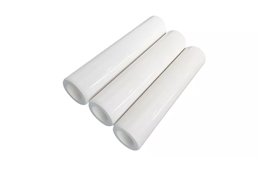
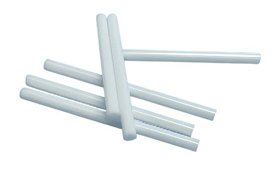
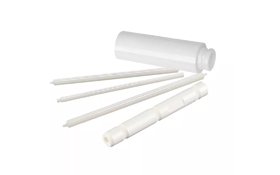
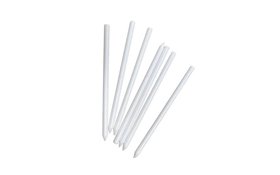
Zirconia Ceramic Tubes & Rods
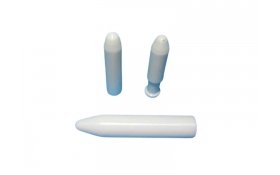
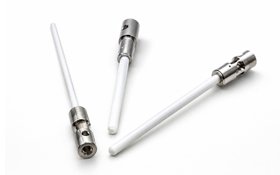
Zirconia tubes and rods can be manufactured in solid or hollow forms for positioning, support, insulation, sliding contact, and specialized equipment. Specify dimensions, wall thickness, straightness, end geometry, and finish when requesting a quotation.
FAMILY 03 / DRAWING-BASED ENGINEERING
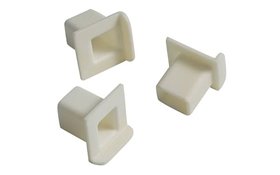
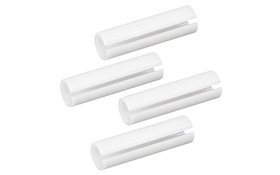
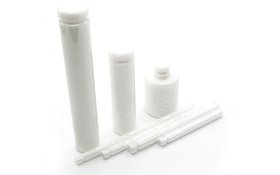
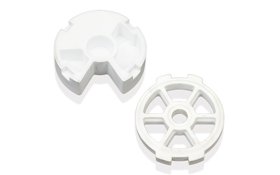
Zirconia Ceramic Parts & Components
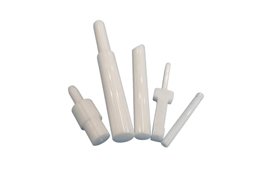
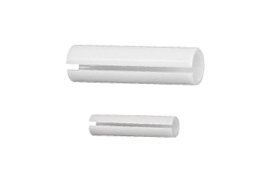
Custom zirconia parts are suitable for applications where the component geometry, mating interface, or operating environment calls for an engineered ceramic solution. Product development can begin with a technical drawing, a sample, or a defined set of dimensions and operating conditions.
FAMILY 04 / FLUID HANDLING
Zirconia Ceramic Valves & Pump Components
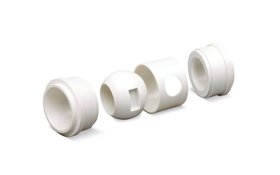
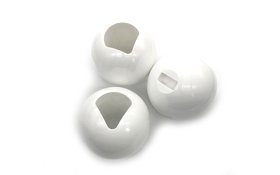
Zirconia ceramic valve and pump components are used in selected fluid-control systems where wear, corrosion, sealing accuracy, and repeated contact are important. Compatibility must be checked against the actual fluid, pressure, temperature, cycling conditions, and mating materials.
FAMILY 05 / ABRASION & CONTACT
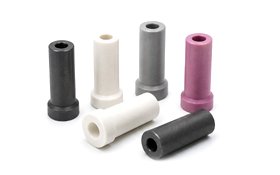
Zirconia Ceramic Wear Parts
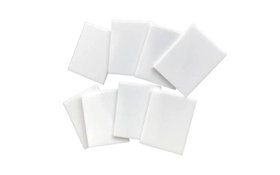
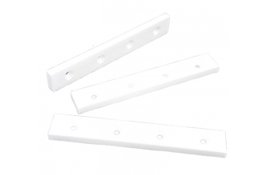
Zirconia wear parts are used at selected contact points in machinery and processing equipment. Material selection should consider the type of wear, contact force, impact, particles, counterface, temperature, and maintenance conditions rather than hardness alone.
Engineering Selection Guide
Start With the Operating Challenge
Selecting a zirconia component starts with the job it must perform. Use the guide below to organize your inquiry before confirming the material grade and final design with your engineering or manufacturing team.
Rotational Contact
Review bearing balls, rollers, and bushings for load, speed, lubrication, and counterface compatibility.
Linear Alignment
Review tube, rod, shaft, and pin dimensions, straightness, fit, and surface requirements.
Custom Equipment Fit
Provide drawings, samples, mating-part details, and tolerance requirements for custom geometries.
Fluid Sealing & Metering
Define the fluid, pressure, sealing interface, temperature, and operating cycle for valve and pump parts.
Abrasion & Surface Wear
Identify the wear mechanism, particles, contact force, impact level, and acceptable maintenance interval.
Prepare Your Inquiry
What to Include in a Zirconia Ceramic RFQ
A complete request helps the supplier assess manufacturability, recommend an appropriate material route, and quote against a clear specification.
RFQ Checklist
- Product name and intended application
- Technical drawing, 3D file, or physical sample
- Material grade or required material properties
- Dimensions, tolerances, and surface finish
- Operating temperature, load, speed, and pressure
- Fluid or chemical exposure, if applicable
- Estimated quantity, annual demand, and delivery target
- Inspection, documentation, and packaging requirements
Technical Questions
Frequently Asked Questions About Zirconia Ceramic Products
1. What are zirconia ceramic products used for?
Industrial zirconia ceramics are used in selected bearing systems, precision mechanical assemblies, tubes and rods, pump and valve components, and wear-contact applications. The suitable product depends on its material grade, geometry, operating conditions, and design requirements.
2. What is the difference between zirconia and alumina ceramic?
Zirconia and alumina have different mechanical, thermal, and chemical characteristics. Zirconia grades are often considered when fracture toughness and strength are important, while alumina is commonly selected for hardness, electrical insulation, and cost-sensitive applications. The better choice depends on the full operating environment rather than a single property.
3. Can zirconia ceramic components be custom manufactured?
Custom manufacturing may be available for parts such as sleeves, rods, pins, plungers, valve seats, bearing elements, and special-shaped components. Feasibility depends on the drawing, material grade, geometry, dimensional tolerance, surface finish, production process, and order quantity.
4. What information is needed to quote zirconia ceramic parts?
Provide a drawing or sample, material requirements, critical dimensions and tolerances, surface finish, application details, operating temperature, mechanical loads, media exposure, quantity, and delivery requirements. Additional details may be needed for pressure-bearing, sealing, or high-speed applications.
5. Is zirconia ceramic suitable for every high-temperature or corrosive application?
No. Zirconia performance depends on the stabilized material, temperature, atmosphere, thermal cycling, chemical species, exposure time, and mechanical stress. Confirm compatibility for the actual service conditions before selecting a grade or approving a design.
6. What should be checked when selecting zirconia ceramic bearings?
Check the bearing arrangement, load direction and magnitude, operating speed, lubrication, shaft and raceway materials, dimensional accuracy, surface finish, temperature, and chemical environment. Ceramic elements must be compatible with the complete bearing system.
7. How can buyers request a sample or technical review?
Use the inquiry link on the relevant product card or contact the supplier directly. Include the product name, application, drawing or sample details, estimated quantity, and any required inspection documents to help define the next step.
Discuss Your Application
Looking for a Specific Zirconia Ceramic Part?
Share your drawing, sample, product requirements, or operating conditions to start a technical and commercial inquiry.