

Alumina Ceramic Components for Insulation, Heat and Wear Applications
Discover aluminum oxide ceramic products by shape and engineering function. Browse tubes, plates and sheets, rods and bars, rings and insulators, and custom parts for industrial equipment, electrical assemblies and thermal-processing systems.
What Is Alumina Ceramic?
Alumina ceramic, also known as aluminum oxide ceramic or Al₂O₃ ceramic, is an established technical ceramic used in industrial, electrical, laboratory and thermal-processing equipment.
Its combination of hardness, electrical insulation, chemical stability and high-temperature capability makes it suitable for many component designs. Actual performance varies with alumina purity, microstructure, geometry, finishing and operating conditions.
Start with the Function, Then Select the Shape
A tube may protect a sensor or insulate a conductor. A plate may serve as a support or insulating substrate. A rod may work as a guide, pin or spacer. Rings and custom components require attention to fit, finish and the mating assembly.
The right product depends on what the component must do, not just its name or nominal dimensions.
Find Your Alumina Product Family
Five product families. Twenty keyword product concepts. One clear route from material selection to technical inquiry.
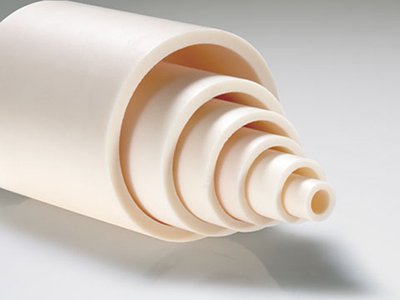
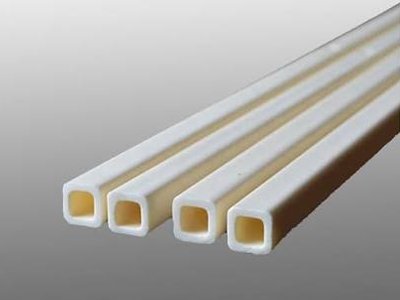
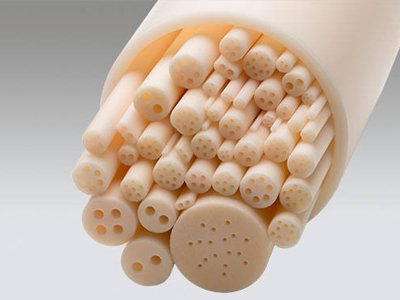
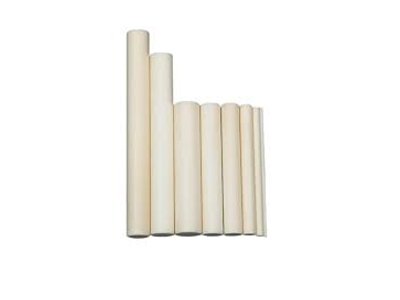
Alumina Ceramic Tubes
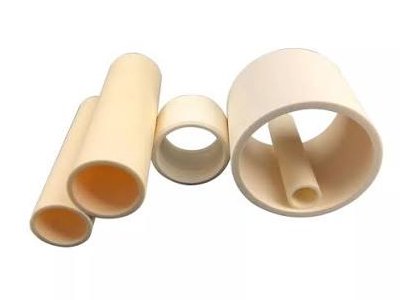
Alumina tubes are used in selected furnace, sensor, heating and electrical systems. Define outer diameter, inner diameter, length, wall thickness, tube-end design and purity grade.
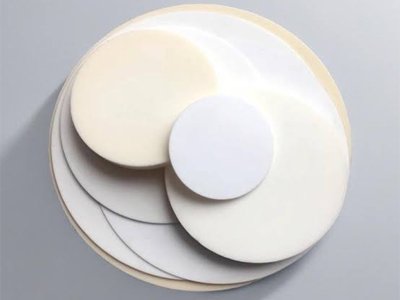
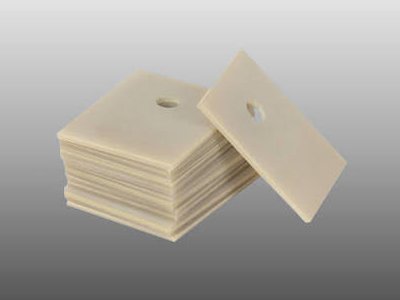
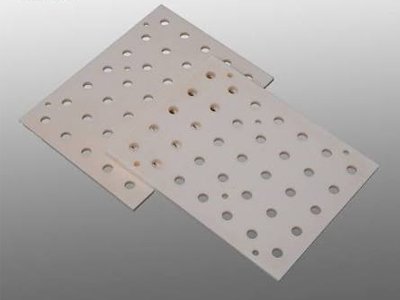
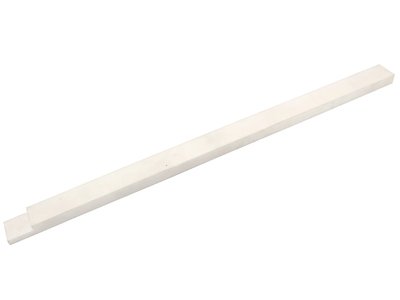
Alumina Ceramic Plates & Sheets
Flat alumina components can serve as supports, insulating barriers, fixture plates or substrates. Specify thickness, flatness, surface finish, hole positions and operating conditions.

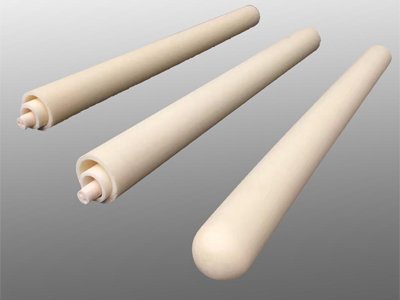
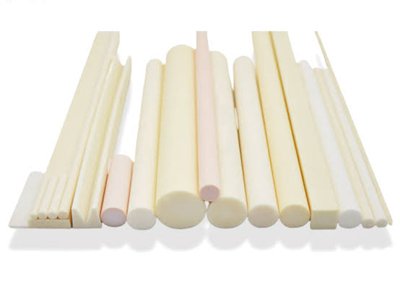
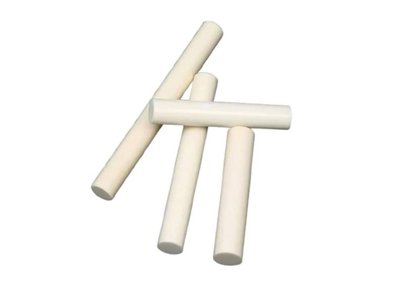
Alumina Ceramic Rods & Bars
Solid alumina rods and bars can be used as guides, spacers, pins and insulating supports. Diameter, length, straightness, end geometry and grinding requirements influence fit and performance.
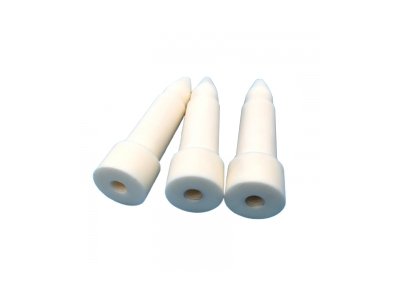
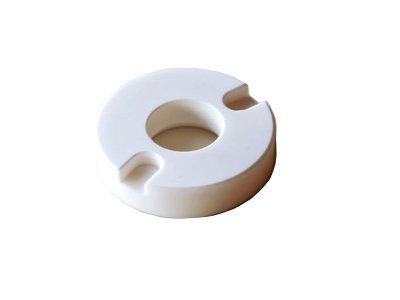
Alumina Ceramic Rings & Insulators
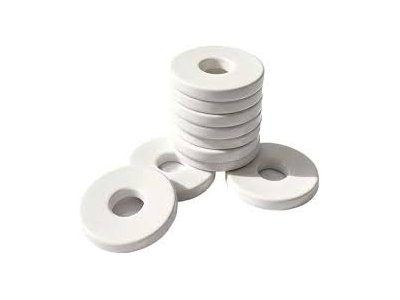
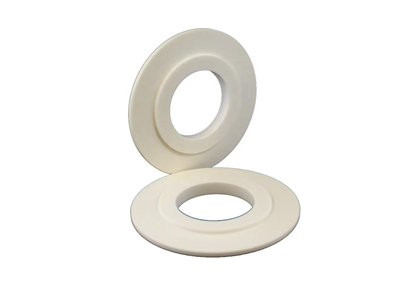
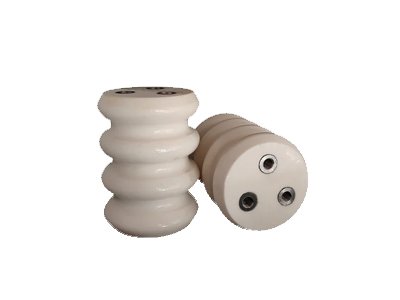
Rings, spacers and insulating parts can separate components, support assemblies or provide electrical isolation. Specify inner and outer diameters, thickness, creepage requirements where relevant, surface finish and assembly conditions.
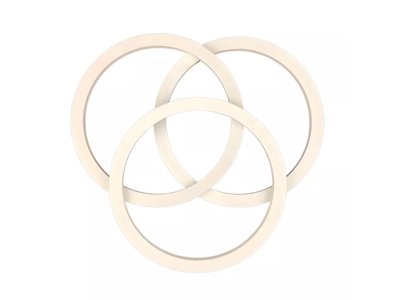
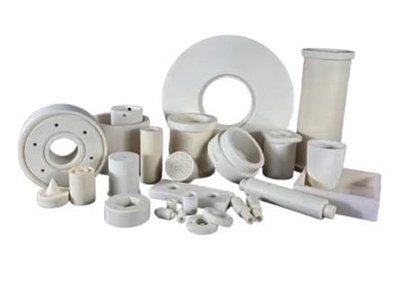
Alumina Ceramic Parts & Components
Custom alumina components can be designed around equipment geometry and application requirements. Share drawings, sample details, material grade, tolerance, surface finish and operating conditions for a feasibility review.
How to Specify an Alumina Ceramic Component
A useful RFQ connects component geometry with actual working conditions. These details help the supplier review material suitability and manufacturing feasibility.
Define the Geometry
Provide drawings, dimensions, wall thickness, hole positions and tolerance requirements.
Describe the Environment
Specify temperature, voltage, atmosphere, chemicals, mechanical loads and contact materials.
Confirm Material Grade
Identify the required alumina purity or ask the supplier to review appropriate grades.
Review Production Needs
Include quantity, surface finish, inspection requirements, packaging and target schedule.
Alumina Ceramic FAQs
What is alumina ceramic commonly used for?
Alumina ceramic is used for electrical insulators, furnace and sensor tubes, rods, plates, substrates, rings, wear components and custom industrial parts. The appropriate grade depends on the operating environment and component design.
Which alumina purity should I choose?
Purity grades such as 95%, 96%, 99% and higher-purity alumina are used in different applications. Purity alone does not determine suitability; dielectric performance, temperature, chemical exposure, strength, geometry and cost should also be considered.
Can alumina tubes, rods and plates be made to custom dimensions?
Custom dimensions may be possible depending on product geometry, material grade, forming process and finishing capability. Provide a drawing or sample and specify critical tolerances for a feasibility review.
Is alumina suitable for high-temperature applications?
Alumina is used in many high-temperature systems, but the maximum service temperature depends on purity, load, atmosphere, thermal cycling, component geometry and other operating conditions. Confirm the rating for the specific grade and design.
What should be included in a custom alumina ceramic inquiry?
Include product type, drawing or CAD file, material grade if known, dimensions, tolerances, surface finish, operating temperature, voltage or mechanical loads, chemical exposure, quantity and inspection needs.
Have an Alumina Ceramic Project in Mind?
Share your required product shape, drawing and working conditions. Start a technical inquiry for alumina ceramic tubes, plates, rods, insulators or custom components.
Request an Alumina Ceramic Quote
Product suitability and specifications should be confirmed before ordering.